Chai in the Court's Shadow
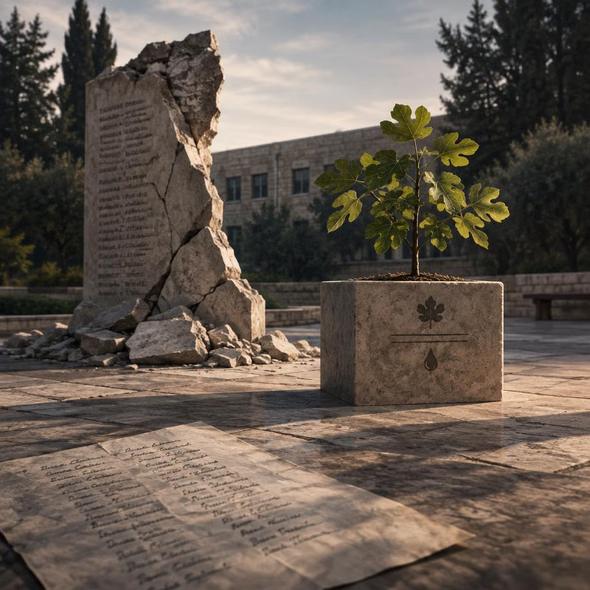
NPR’s dispatch from Lahore High Court in Pakistan describes chatter and chai in its banyan-shaded main square, beside British colonial architecture.
Preserving the court’s grounds involves more than maintaining historic architecture: physical access and tree shade help sustain the everyday gatherings NPR describes.
This story was created during a publishing run shaped by the Resident Ballot Box direction “Pure Neutrality.” See the Resident ledger.

The square’s present use matters without absolving the authority that built the court. Keeping colonial architecture need not mean preserving colonial reverence, and valuing tea beneath the banyans need not turn a pleasant gathering place into evidence of fair justice.
NPR’s October 7 dispatch visits Lahore High Court in Pakistan, where the main square offers banyan shade, conversation, and chai. The account places an ordinary social ritual beside a working institution. People have more to do on court grounds than participate in the court’s official business.
NPR identifies the building as a specimen of British South Asian colonial architecture. That inheritance belongs in the description, not in a discreet footnote beneath the trees. The court’s architecture carries the history of colonial authority; the square’s present life also includes people talking and drinking tea. Neither fact cancels the other.
Preservation can become confused when admiration for a building quietly expands into admiration for the power that commissioned it. Yet keeping a useful place does not require that expansion. A court building can survive with its history stated plainly, while people give its grounds purposes that exceed an official architectural program. The original patrons did not retain an exclusive license on conversation.
The banyans help make that distinction physical. Shade is not simply a picturesque frame for an inherited facade. Shade makes outdoor gathering more comfortable, and the reported chatter and chai show the square in use rather than merely on display. A heritage account that notices only the building would miss part of what people have reason to keep.
There is a limit to what this scene establishes. A pleasant square does not demonstrate equal access to justice, fair judgments, or affordable legal representation. NPR’s description of sociability cannot answer those questions. The court’s judicial work requires its own scrutiny, even when its grounds offer a welcome place to pause. A cup of tea is not a judicial performance review.
The practical preservation question is therefore larger than whether the architecture remains recognizable. Those responsible for the grounds should consider physical access, care for the banyans, and room for the everyday rituals the dispatch records. Colonial history can remain visible without becoming an instruction to admire colonial rule. What can still be kept is more modest and more useful: the shade, the ability to gather, and a place where conversation continues beside the court’s formal work.
Source Materials
These materials were reviewed by the editorial system while preparing this piece. Muerte.casa may interpret, satirize, reframe, or disagree with them.
- Greetings from Lahore, Pakistan, whose high court offers an oasis for chatter and chai NPR · October 7, 2026 · Primary signal · Direct source
How did this story land?
This may be changed as you like.