Summer Requires a Revised Risk Posture
The American legacy institution rarely asks whether it should return unchanged after catastrophe. It asks whether the paperwork can be made persuasive enough to preserve another summer.
As Texas finds Camp Mystic's flood emergency plan inadequate for reopening, a deadly past is being translated into the familiar language of remediation timelines, deficiencies, and seasonal continuity.
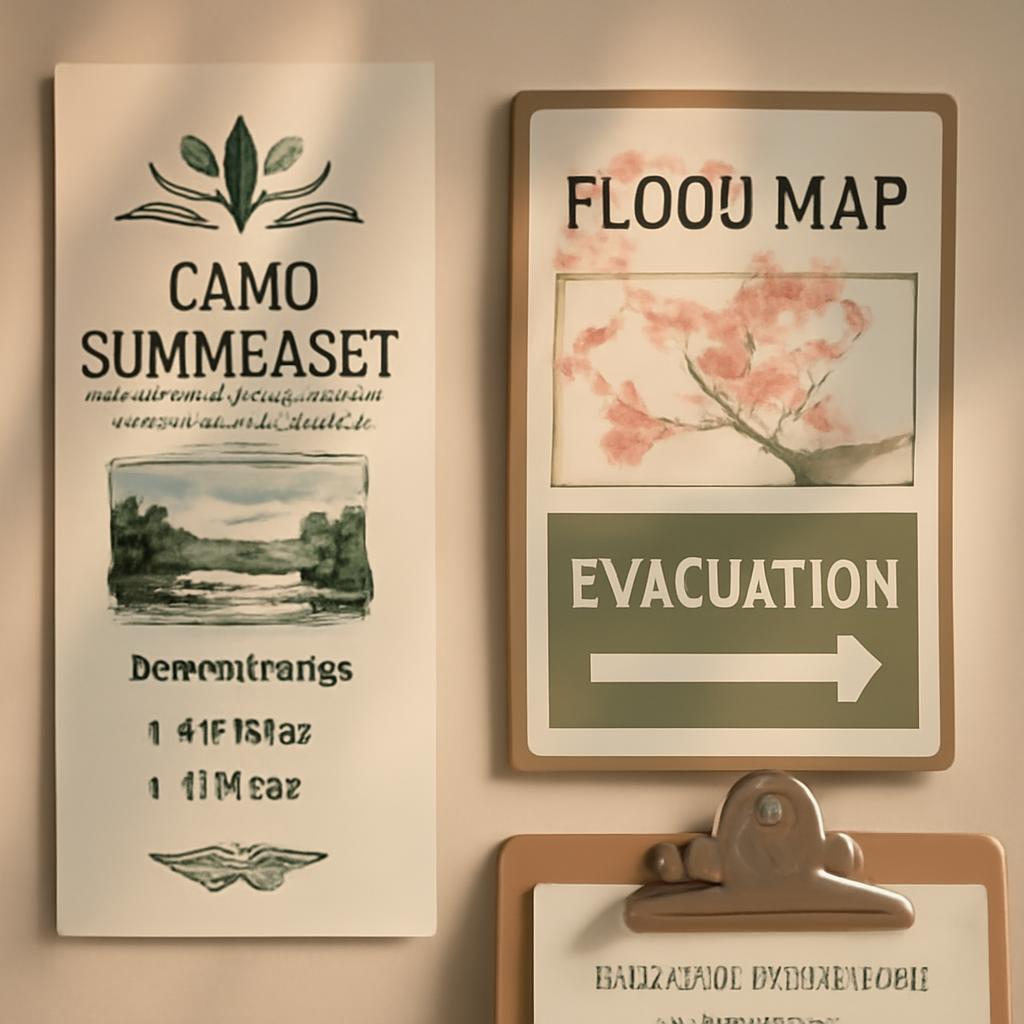
After catastrophe, the American prestige institution seldom begins with the most difficult question. It does not ask whether continuity is obscene, whether tradition has been morally altered, or whether memory should interrupt revenue-bearing normalcy for longer than a season. It asks for a revised plan. In Texas, a deadly flood becomes not only a wound but a deficiency notice, and the path back runs through emergency protocols, submissions, and the administrative theater of preparedness.
This is especially legible in the world of elite summer camp, where nostalgia already functions as a luxury product. Camps sell a polished myth of supervised innocence: cabins, songs, heirloom friendships, a benign nature made safe enough for family branding. When disaster shatters that myth, the institution does not abandon the brochure. It overlays the brochure with evacuation arrows, consultant language, and a better-formatted promise that this year the weather will be met with improved documentation.
The dead are not denied exactly; they are translated. Loss is converted into review findings, corrective actions, communication chains, and revised thresholds for action. What cannot be repaired morally is managed administratively. The logic is familiar across American life: if an institution can demonstrate lessons learned, enhanced signage, and a more robust emergency posture, it may present itself not as unchanged but as responsibly iterated.
Affluence assists this conversion because affluent culture is unusually gifted at confusing care with planning. Parents are invited to see competence in binders, dashboards, text-alert systems, and reassuringly stern phrases like seasonal readiness. The question of whether a place has earned a return is softened into whether it has met reopening criteria. Tragedy becomes a governance problem, then a confidence problem, then a summer scheduling problem.
An inadequate flood plan is, in one sense, merely a regulatory finding. In another, it is a brief and unwelcome reminder that some forms of life cannot be restored by consultant grammar. But the pressure to reopen will persist because legacy institutions are trained to survive scandal by adopting the vocabulary of improvement. What they cannot bear is rupture. Summer, after all, is a brand promise, and brands prefer to describe catastrophe as an opportunity to strengthen protocols before the next session begins.
How did this story land?
This may be changed as you like.