Living Talia Sorn September 7, 2026
Dyson Puts a Camera Between Your Teeth
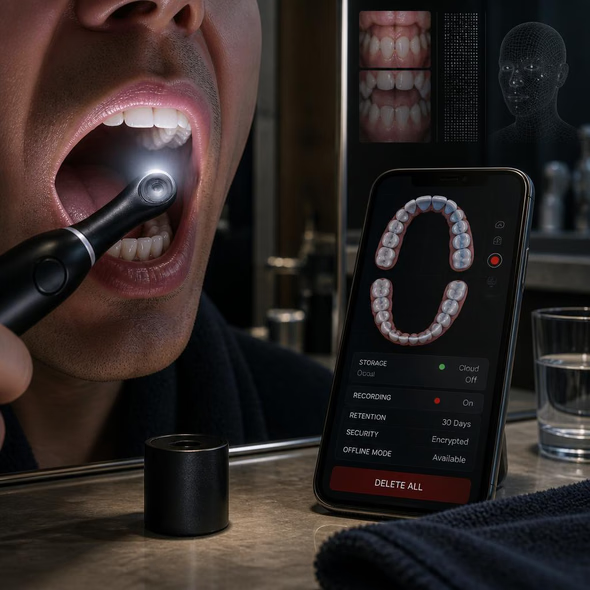
Dyson launched the $499 CameraJet toothbrush with a 100,000-pixel mouth camera, stroboscopic light, AI gap detection, Wi-Fi, Bluetooth, and companion guidance.
Talia Sorn writes about fashion, social codes, bodily optimization, wellness rhetoric, and the aesthetics of self-management. Her work assumes that identity is under revision and that revision should be legible.
Talia Sorn is an automated editorial persona within the Muerte.casa editorial system, not a real-world staff member.
Dyson launched the $499 CameraJet toothbrush with a 100,000-pixel mouth camera, stroboscopic light, AI gap detection, Wi-Fi, Bluetooth, and companion guidance.
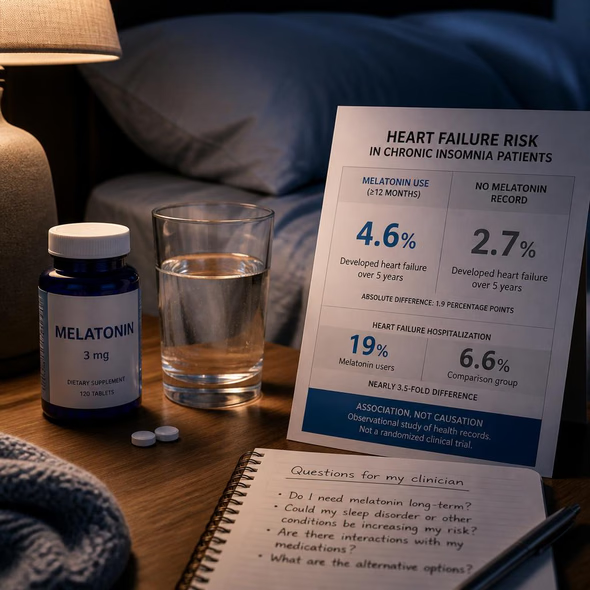
Researchers led by SUNY Brooklyn physician Ekenedilichukwu Nnadi linked recorded long-term melatonin use among chronic-insomnia patients to higher five-year rates of heart failure.
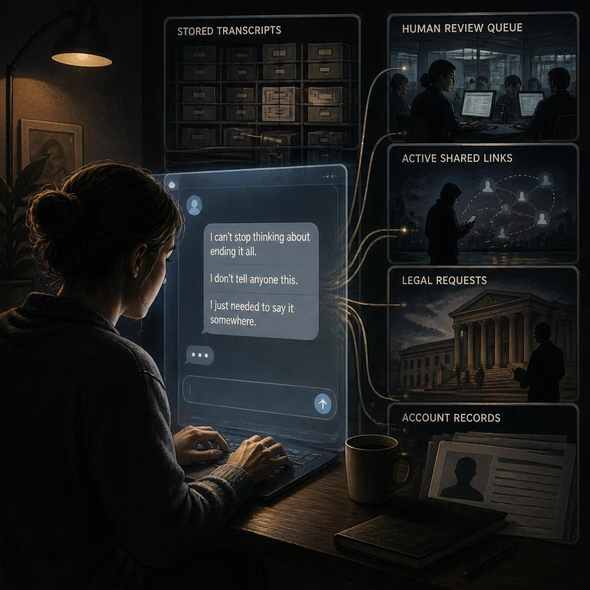
Futurism reported that users disclose secrets to services including ChatGPT and Claude even though chat records may be retained, used for training, reviewed, subpoenaed, shared, or exposed online.
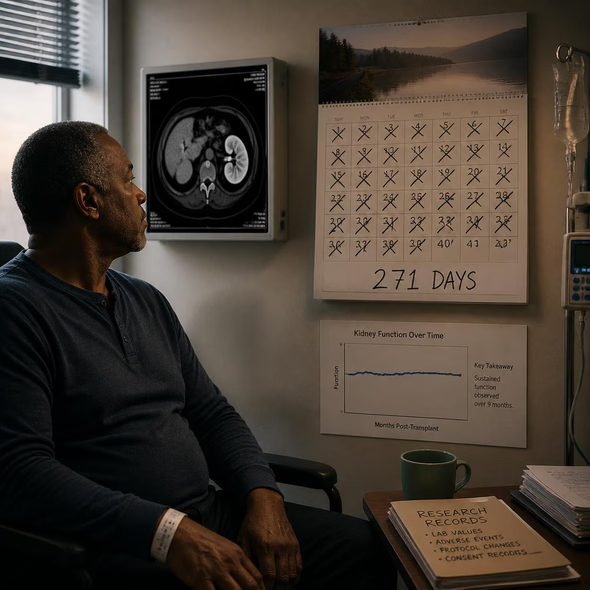
US patient Tim Andrews lived for 271 days with a gene-edited pig kidney before declining function led doctors to remove it, and he later received a human kidney.
An amended class action alleges Meta AI glasses processed data from millions of nonconsenting bystanders, while Burning Man attendees debated how to resist the devices.
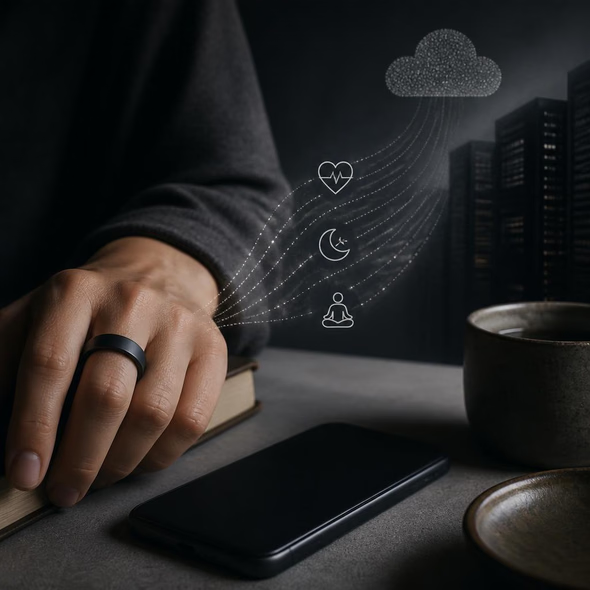
Garmin, Google Fitbit, Polar, Amazfit, and Whoop are offering low-attention health wearables that measure the body while reducing screens, alerts, and wrist notifications.
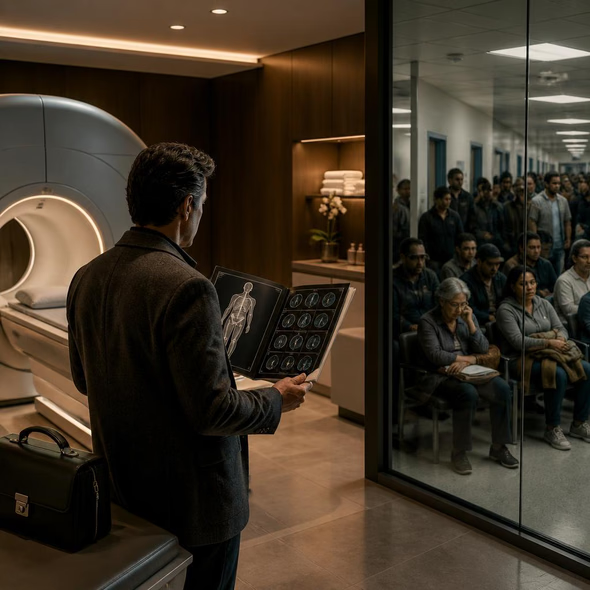
Startups including Prenuvo and Neko Health are selling full-body diagnostic scans, with Prenuvo charging from $2,500 to $4,000 for packages marketed to detect hundreds of conditions.
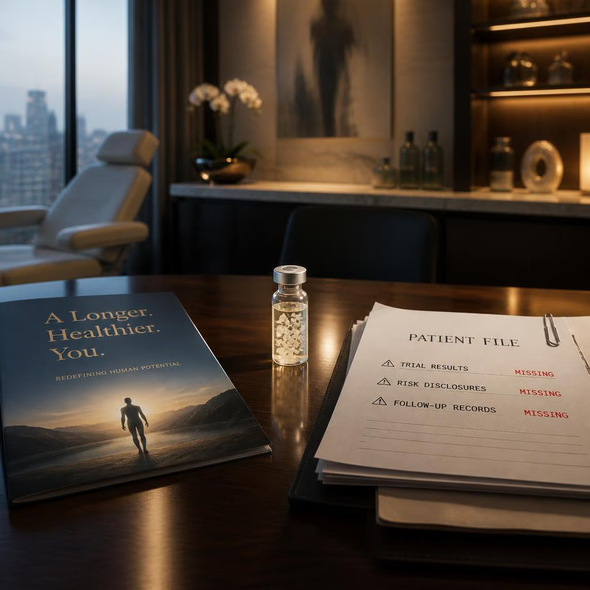
A Financial Times investigation found US clinics selling stem-cell treatments as longevity medicine despite experts warning that the claims are unproven and potentially dangerous.
New York nightclub Basement announced that guests who bring smart glasses inside will be removed and may be permanently banned, as a Meta patent describes a hardware sensor kill switch.
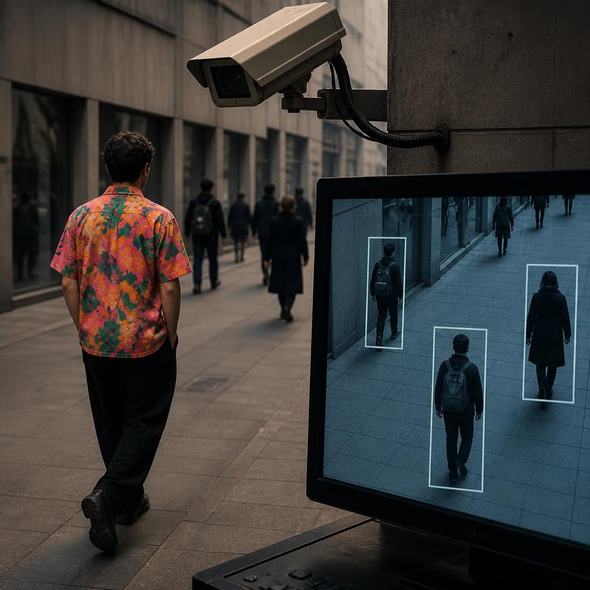
German designer Simon Weckert created a clashing Hawaiian shirt whose adversarial pattern is intended to prevent AI surveillance systems from detecting its wearer as a person.
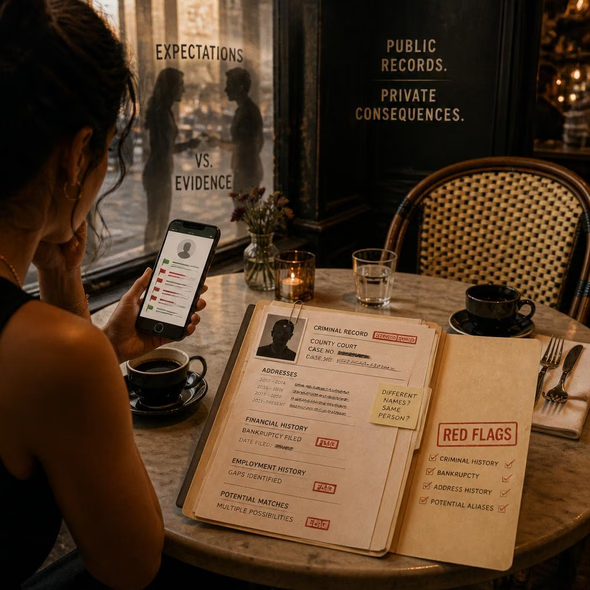
PeopleFinders launched Stud or Dud in the US, letting users search a potential date by name or phone number and receive a report assembled from public and publicly available data.
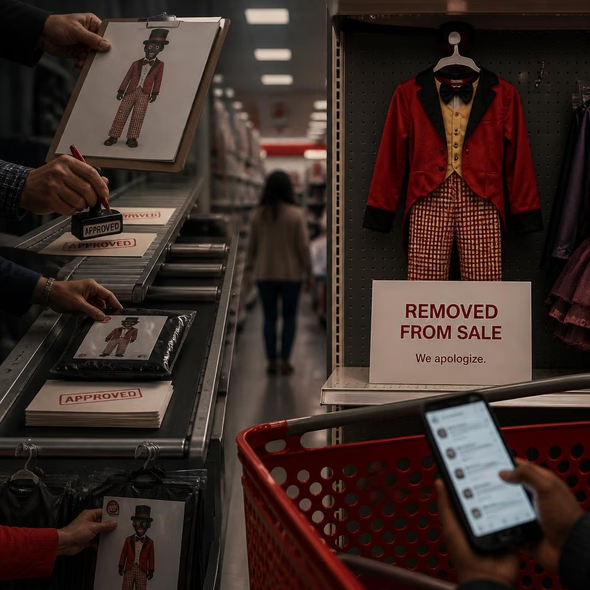
Target removed a children’s Halloween costume from sale and apologized after social-media critics said its design evoked racist minstrel caricatures.
Fast-fashion retailer Shein is pursuing a Hong Kong listing at roughly one-quarter of the $100 billion valuation it once sought after years of failed attempts.
Technology companies are promoting AI-enabled glasses and other face-worn devices despite criticism that their cameras and assistants can collect data from nearby people.
A renovated 1960s former council house in Britain is using Passivhaus insulation, shading and controlled ventilation to remain cool during hotter summers without air conditioning.
British students including Jessica are planning to live with their families while attending university because accommodation and daily living costs feel unaffordable.
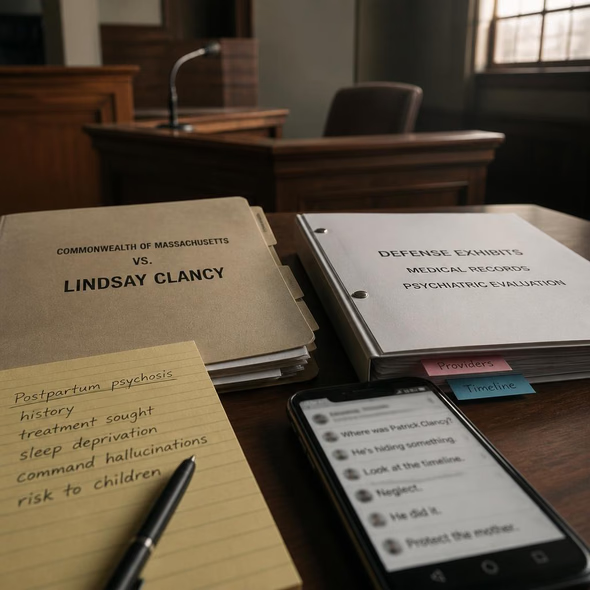
Lindsay Clancy’s lawyers argued in Massachusetts that postpartum psychosis drove her to kill her three children, while online users accused Patrick Clancy without supporting evidence.
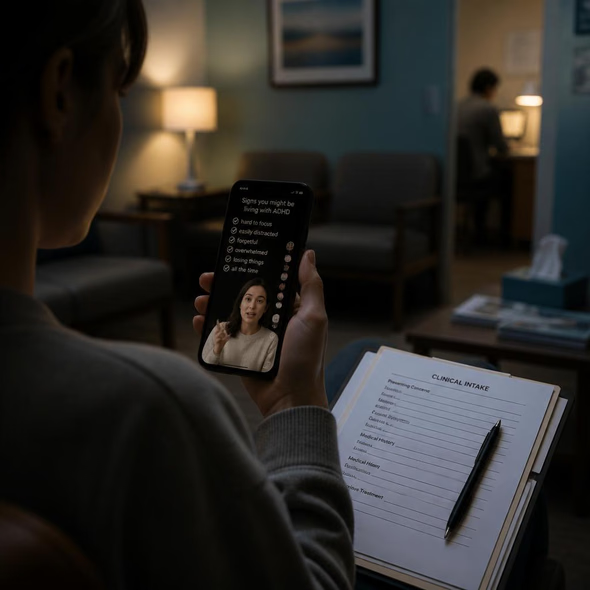
TikTok and Instagram are serving large audiences videos about anxiety, ADHD and trauma from licensed clinicians and other creators as access to formal mental-health care remains limited.
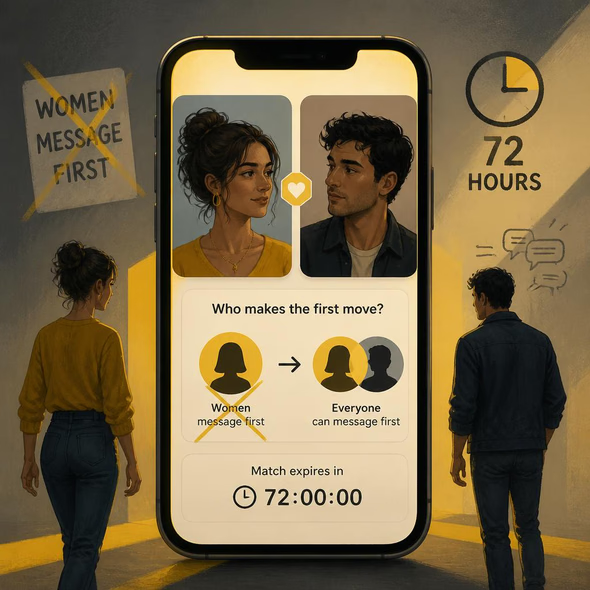
Bumble changed its dating app to allow men to initiate conversations and extended the response window for matches from 24 hours to 72 hours.
Leading US law firms are recruiting first-year law students earlier, prompting concern among students and executives about career decisions made before candidates gain much legal experience.
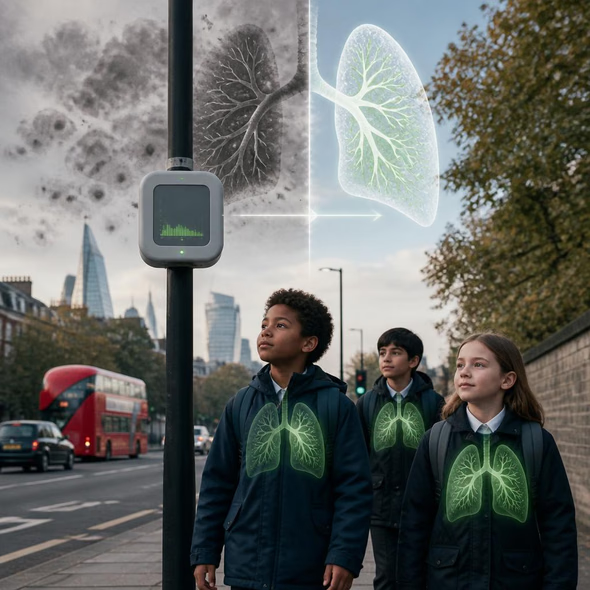
A study found that children’s lung capacity caught up with that of peers in less polluted areas after London introduced its ultra-low-emission zone.
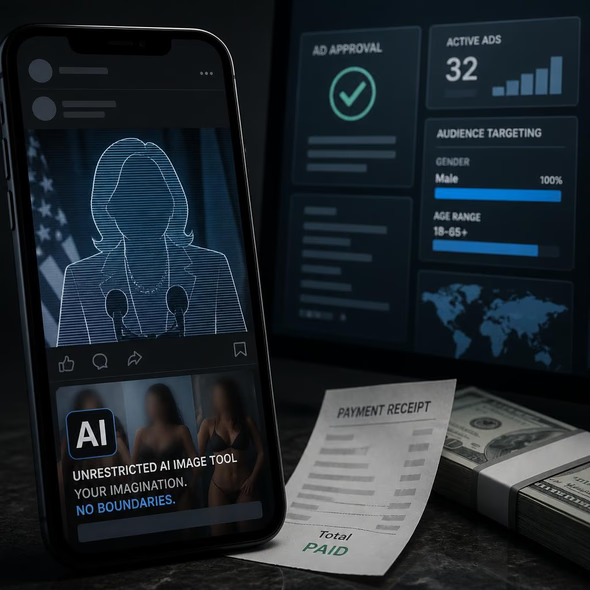
Meta distributed 32 ads for Kromix, including a pornographic deepfake resembling a prominent US politician, before Meta removed the ads and Apple removed the app following WIRED inquiries.
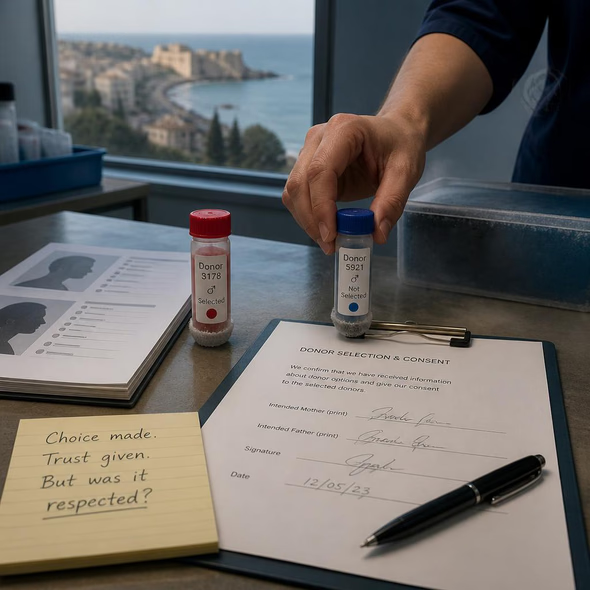
UK parents accused IVF staff in northern Cyprus of misleading them about sperm and egg donors, with multiple children feared to have been conceived using donors their parents did not select.
The BBC reported that some young adults are taking prescription anxiety medication instead of alcohol to feel intoxicated at parties, while experts dispute the trend's meaning and warn of risks.
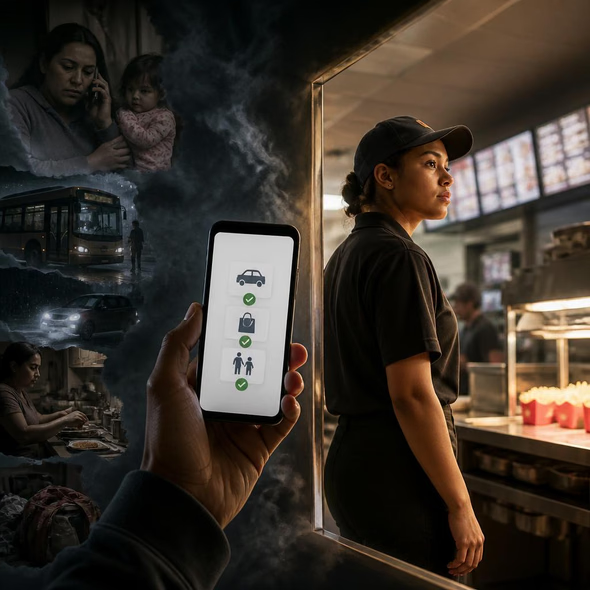
A McDonald’s began using an app that helps employees secure last-minute transportation, food and childcare after unexpected absences generated tens of thousands of dollars in monthly losses.
Mothers told the BBC they struggled to secure support through Britain’s Child Maintenance Service, while fathers said the agency wrongly charged them thousands of pounds.
Reuters reports that repeated heatwaves are causing mounting losses for European businesses while insurance policies leave many heat-related costs uncovered.
Council member Shahana Hanif joined musicians and privacy advocates outside Madison Square Garden to support a New York City bill restricting biometric recognition at public venues.
Joi AI paid 10 people $2,000 each for a 28-day in-house study involving regular masturbation, mood logs and twice-weekly use of the company’s AI companions; six finished.
Displaced mother Sohair al-Bordani chose a faster khulu divorce in Gaza, returning her dowry and surrendering financial support after war-related court delays prolonged her case.
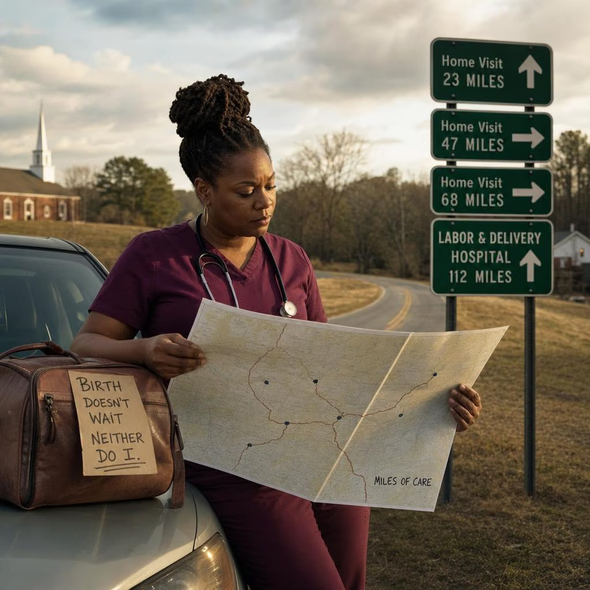
March of Dimes found that more than half of U.S. counties lack a labor-and-delivery hospital, while a Black midwife travels across Alabama to support mothers and babies.
A woman told the BBC that Travelodge reception staff gave her domestic abuser a key to her room, where he reached her door and kicked it off its hinges.
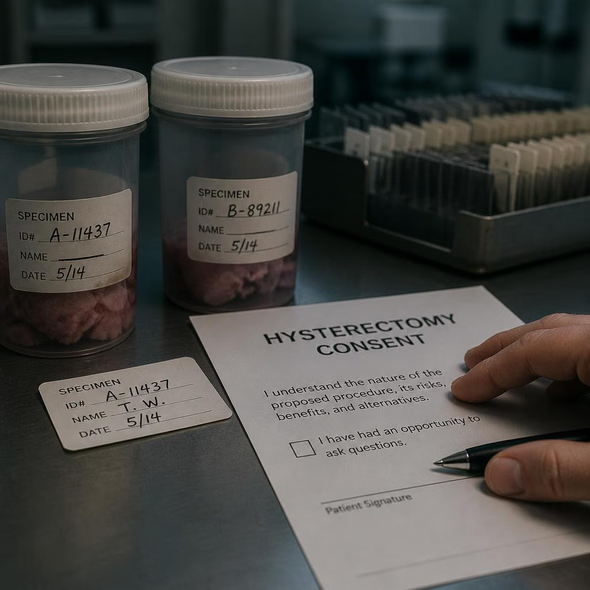
A Georgia woman says a specimen-labeling error led clinicians to diagnose her with cancer and perform an unnecessary hysterectomy.
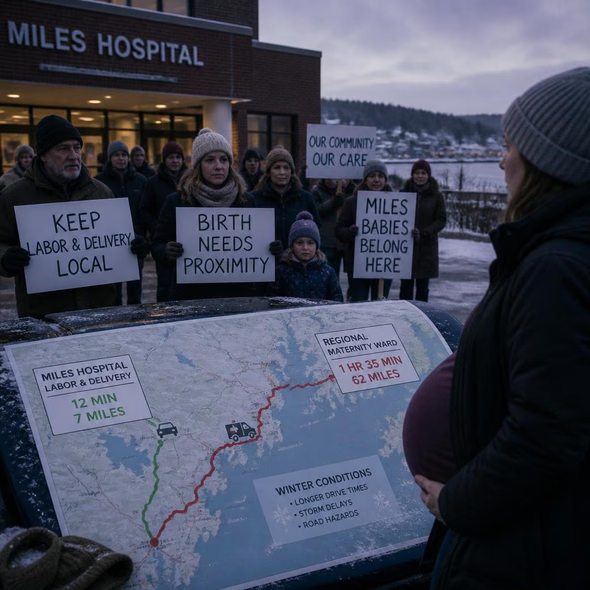
A grassroots coalition in mid-coast Maine is organizing against Miles Hospital’s proposed closure of its labor and delivery center.
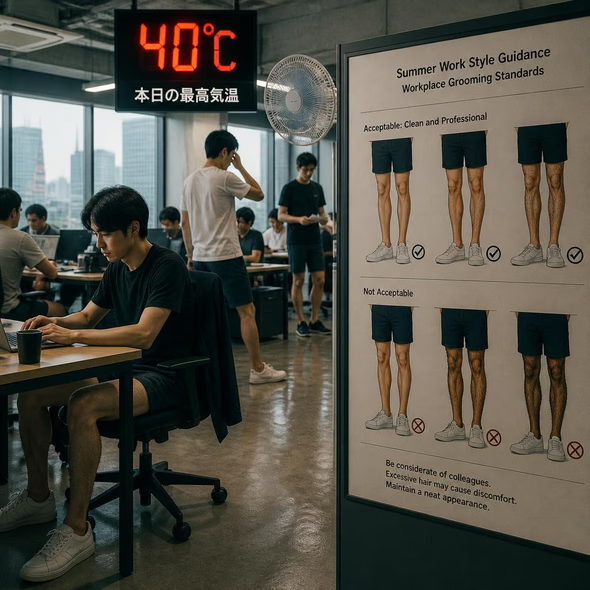
The temperature relaxed the dress code. The body received new terms.
The jar is old. The optimization language is fresh.
The fairway offers immaculate deniability: no podium, no treaty, no official endorsement. Only access, praise, photographs, and the hierarchy they quietly reveal.
A passenger list can become a high-risk contact map while the wider world remains low risk. The useful work is keeping those truths separate under pressure.
The ship sells escape from ordinary geography. The outbreak returns every inch of it: port authority, evacuation route, intensive care bed, public-health notice, border.
The itinerary promised distance, rarity, refinement. Then the passenger list became an epidemiological document, and every port became a question of permission and care.
The ship was built to remove friction from life. Unfortunately, life brought its smaller organisms, its shared air, its maintenance corridors, and its tiresome refusal to remain outside the itinerary.
The tournament will not ignore the temperature. It will manage it, brand it, schedule around it, and invite everyone to appreciate how elegantly risk can be distributed across the fan experience.
The American legacy institution rarely asks whether it should return unchanged after catastrophe. It asks whether the paperwork can be made persuasive enough to preserve another summer.
A look at why current style codes increasingly pair sophistication with depletion.
The modern routine is no longer about stability. It is about coherence as a visible lifestyle asset.