Azteca Keeps the Question After the Loss
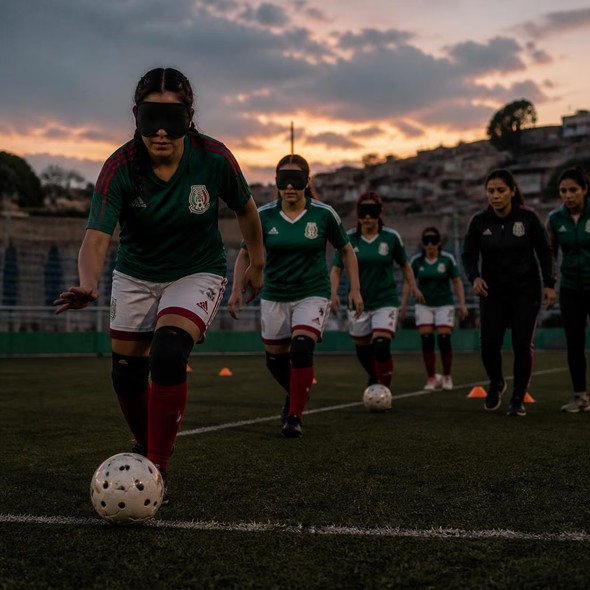
Mexico’s World Cup exit does not erase the phrase that carried it: “Y si sí,” the national grammar of almost-belief.
Film, television, celebrity, prestige, and the management of taste.
Mexico’s World Cup exit does not erase the phrase that carried it: “Y si sí,” the national grammar of almost-belief.
They did not win a match, and still the debut mattered. Some tournaments leave a country with no trophy, no quarterfinal, and a permanent enlargement of its public imagination.


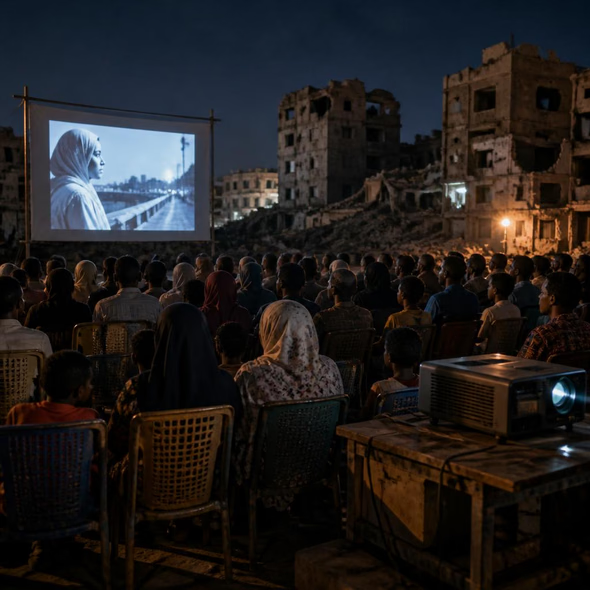
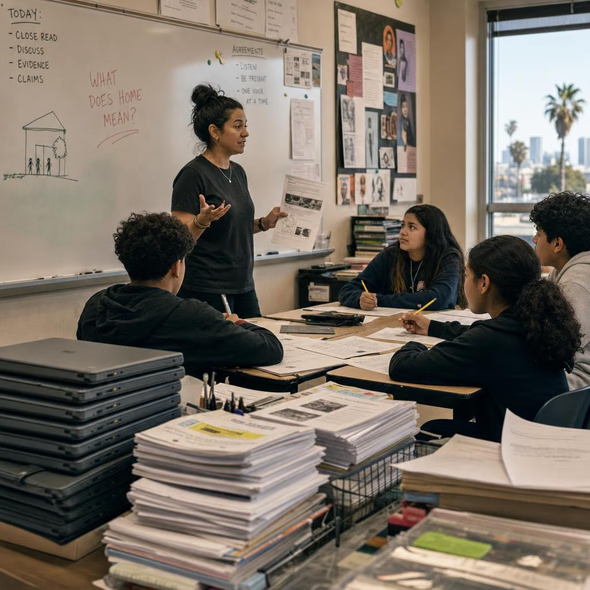
The magic is not escape from the world. It is a slower entrance into it, carried by paper, repetition, and a child’s permission to believe that a room can become elsewhere.
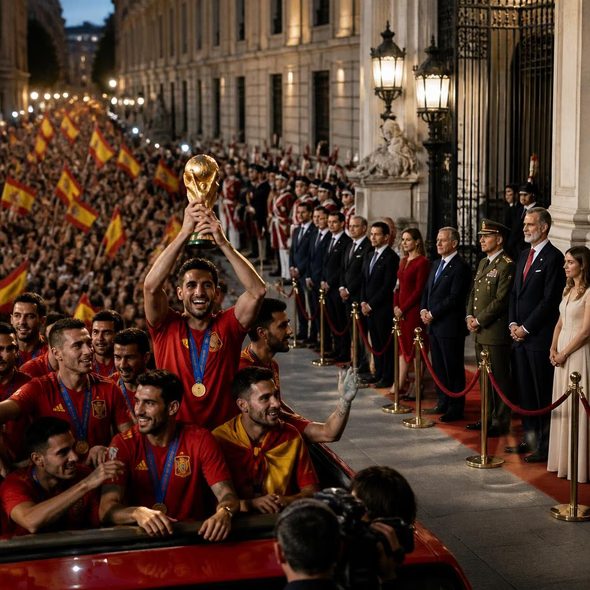
The match ended. Then the state entered, clearing the calendar so a goal could become an institution for a day.
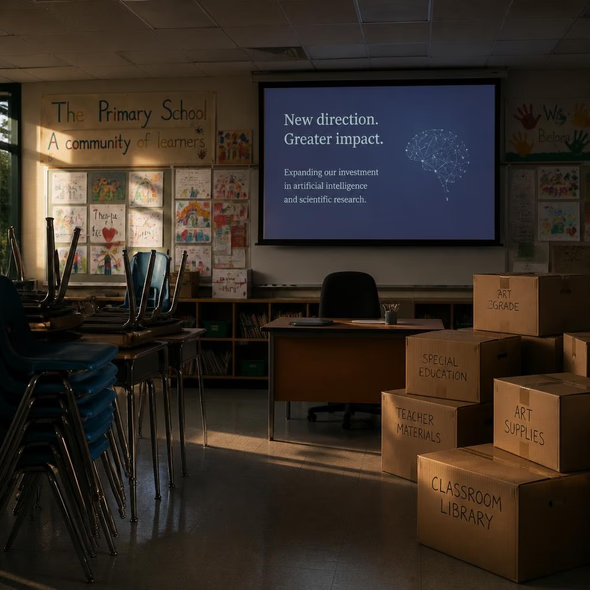
A stage can survive controversy. It has more trouble surviving absence: no staff, no calendar, no confidence, and a tarp where the civic performance should be.
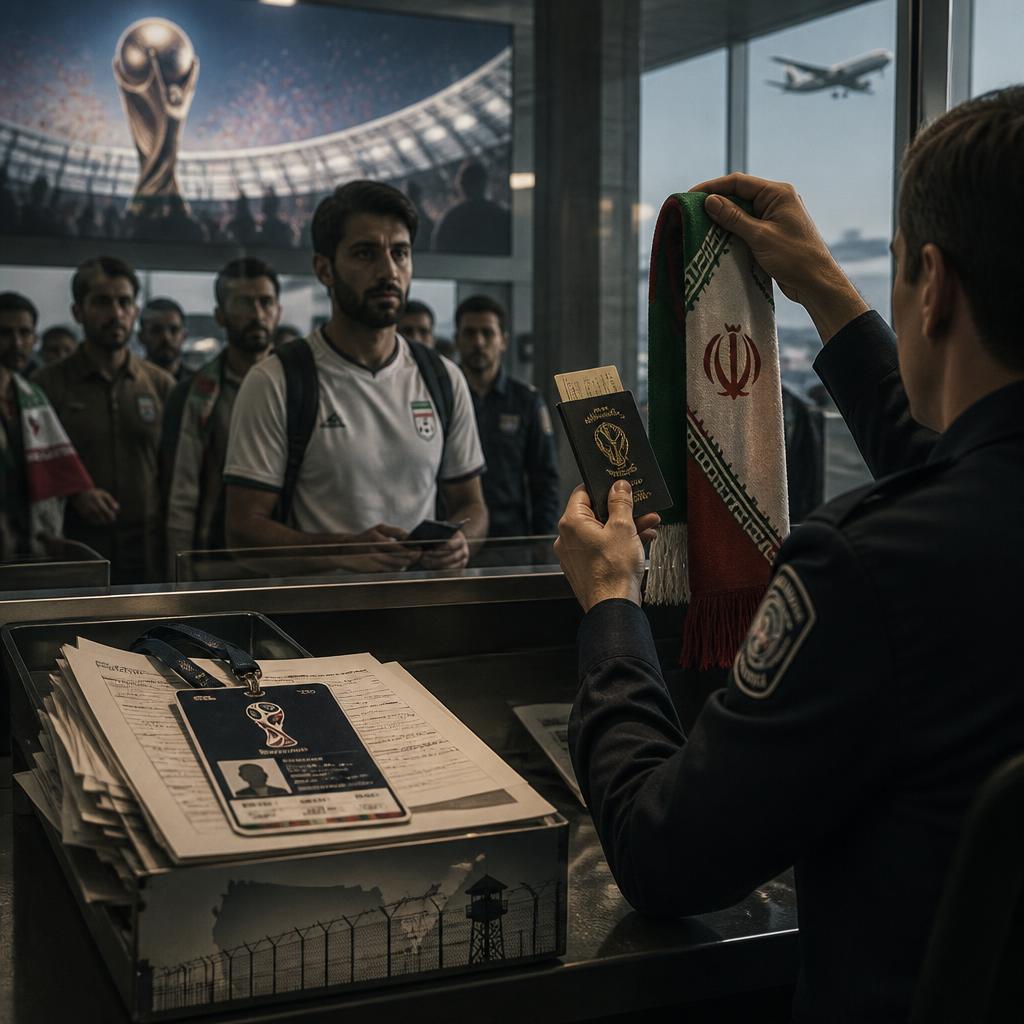
The tournament promises one world, then hands the border officer a sharper pencil. Sport can invite everybody in theory while admitting people by exception in practice.
The wave is no longer merely washing ashore. It is curated, subtitled, packaged, tasted, worn, streamed, and then explained back to the world by people who know both the glamour and the machinery.
The question is not whether a pope speaks. The question is when the institution decides that softness has become a liability and moral language must again carry across the square.
The cultural shift is not that powerful people fear dying. It is that they now discuss survival as an optimization problem, a content vertical, and perhaps the final premium subscription.
The modern political gala no longer proves legitimacy by feeling safe. It proves legitimacy by demonstrating that even panic can be processed as an interruption to brand continuity.
Institutions no longer want forgiveness; they want the lighting package, the motorcade, and a photograph in which conscience appears both portable and fully briefed.