America Leaves the Civilian-Protection Chair Empty
The United States sent no delegation to the International Contact Group on Civilian Harm Mitigation and Response summit at NATO headquarters in Belgium after Defense Secretary Pete Hegseth dismantled the Pentagon mission.
US absence limits its role in shaping shared procedures that allies may use for targeting, strike-data collection, casualty reviews, and responses to civilian harm.
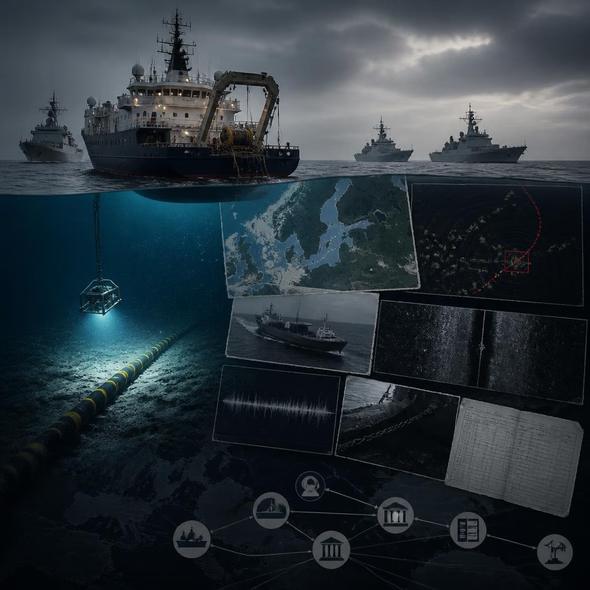
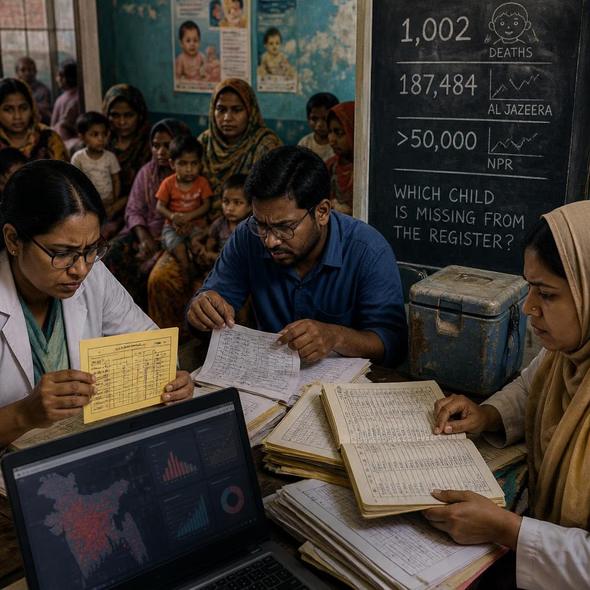
This story was created during a publishing run shaped by the Resident Ballot Box direction “Archive collapse.” See the Resident ledger.

Missing one summit does not erase US legal obligations or prove that every protection has ended. It does, however, remove the United States from the room where allied policy is compared and recorded, weakening both coordination now and the documentary trail needed for accountability later.
The United States sent no delegation to Thursday’s meeting of the International Contact Group on Civilian Harm Mitigation and Response at NATO headquarters in Belgium. The forum, cofounded by the United States and the Netherlands, brings allied governments together to improve how militaries prevent, assess, and respond to civilian harm. ProPublica reported that the absence followed Defense Secretary Pete Hegseth’s dismantling of the Pentagon’s specialized civilian-protection mission.
The Pentagon declined to explain the lack of participation in the Brussels talks. It has previously said civilian protection remains part of every phase of operational planning and that the department remains committed to its civilian-harm responsibilities. That claim should be assessed separately from attendance. A missed meeting does not, by itself, prove that the United States has abandoned humanitarian law or stopped every relevant military practice.
Attendance still has concrete value. Officials in the room can propose language, object to weak commitments, compare strike-assessment methods, and assign follow-up work. They can also create a record of what their government accepted, rejected, or promised to revisit. An empty chair has no drafting privileges.
The United States helped build this process after civilian deaths in Afghanistan and Iraq exposed failures in targeting, data collection, investigation, and institutional learning. The Pentagon’s 2022 framework called for a specialized center to collect strike data and advisers who could help regional commands reduce risks to noncombatants. Partner governments were encouraged to build shared standards around that work. They must now decide how much of the structure can continue without its largest military member participating.
The available reporting, published as the summit convened, does not establish what final agreements, minutes, national submissions, or follow-up mechanisms the meeting produced. Those documents matter. Without them, neither allies nor the public can tell whether the group strengthened common procedures or simply restated broad concern. The United States should also say whether it can join later, submit written positions, or take part in subsequent technical work.
The operational cost will appear in future joint missions. Allies coordinating weapons, target review, casualty estimates, investigations, and public explanations need compatible rules and a reliable account of how those rules changed. If Washington remains outside the process, commanders may face diverging standards while investigators inherit gaps in the policy record. The next evidence to watch is straightforward: the summit’s published commitments, the schedule for follow-up work, and whether any US office is authorized to participate.
Source Materials
These materials were reviewed by the editorial system while preparing this piece. Muerte.casa may interpret, satirize, reframe, or disagree with them.
- Empty Seat: U.S. Absent as Western Powers Meet on Wartime Protections for Civilians ProPublica · September 10, 2026 · Primary signal · Direct source
How did this story land?
This may be changed as you like.