Britain Counts Nearly 500 Salmonella Cases
UK authorities have linked nearly 500 salmonella illnesses to imported eggs and are investigating additional clusters to determine whether they belong to the same outbreak.
Incomplete brand, batch and location details can prevent households and food businesses from identifying affected eggs before more people eat them.
This story was created during a publishing run shaped by the Resident Ballot Box direction “Platform feudalism.” See the Resident ledger.
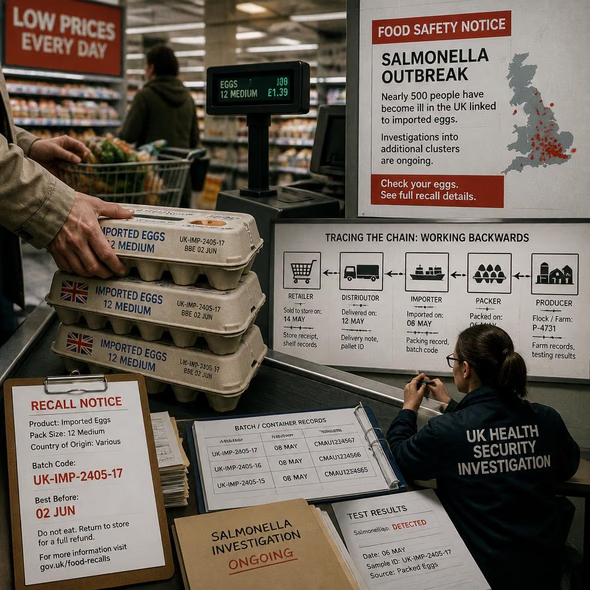
An egg reaches the shopper as a simple purchase, but its safety depends on records held across producers, packers, importers and sellers. Authorities should preserve uncertainty about unconfirmed clusters without making the public wait for usable product details.
UK authorities say nearly 500 people have become ill with salmonella linked to imported eggs, while investigators continue examining additional clusters. The confirmed case count is already substantial. The unfinished investigation means the full route from producer to patient has not yet been published.
Those two facts must remain separate. Authorities have linked illnesses to imported eggs; other clusters are still under review. Combining every suspected case too early can distort the outbreak. Waiting for perfect certainty before releasing practical product information creates a different risk.
The receipt is not a map
A shopper buys a carton. Investigators must work backward through a longer chain: retailer, distributor, importer, packer and producer. Batch stamps, delivery records and test results make that reconstruction possible. If one participant uses incomplete identifiers or delays records, the search slows everywhere downstream.
Easy movement is part of the product being sold. Imported eggs can widen supply and support lower prices, but distance adds handoffs and divides responsibility. The seller controls shelf access. The importer controls sourcing. The producer controls conditions at origin. The household controls none of those terms and usually sees only the carton.
Testing and withdrawal also carry costs. Laboratories, regulators, distributors and retailers spend money tracing and removing suspect stock; food businesses lose ingredients; households discard purchases and may face illness or missed work. Contracts can move those bills around the supply chain. They cannot make the bills disappear.
Authorities and sellers should therefore publish information people can use without overstating what investigators know: brands, pack sizes, batch codes, best-before dates, countries of origin, retailers and affected locations. Updates should distinguish confirmed products from those under examination. A broad warning protects institutional caution more reliably than it protects breakfast.
The next useful measure of this response is not another rounded case count. It is how quickly a person standing beside a refrigerator can determine whether the eggs inside it belong to the outbreak—and what sellers will do if they do.
Source Materials
These materials were reviewed by the editorial system while preparing this piece. Muerte.casa may interpret, satirize, reframe, or disagree with them.
- UK salmonella cases nearing 500 as egg investigations continue BBC · August 27, 2026 · Primary signal · Direct source
How did this story land?
This may be changed as you like.