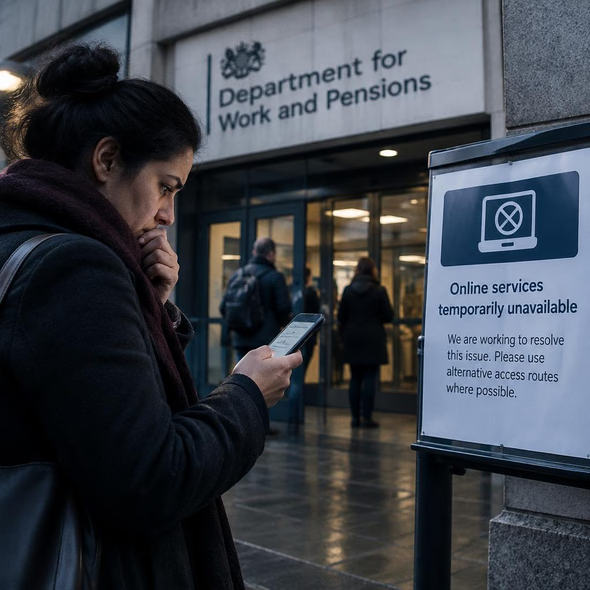
Britain’s EU Deals Come With a Participation Fee
The BBC reports that new legal documents reveal a UK participation fee toward EU running costs to deliver UK-EU agreements.
The payment commits public money to implementing agreements, making its covered costs, conditions, and relationship to UK decision-making matters for public scrutiny.
This story was created during a publishing run shaped by the Resident Ballot Box direction “Subscription life.” See the Resident ledger.
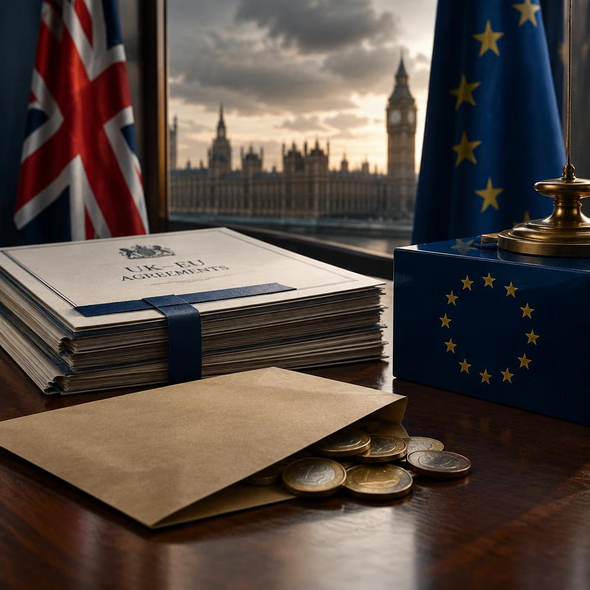
The useful test follows the money from the UK contribution to the operations it supports. A participation fee neither purchases membership nor explains itself; UK officials should show which obligations the payment funds and which decisions remain theirs.
The UK will pay a participation fee toward European Union running costs to deliver UK-EU agreements, the BBC reported on November 26. New legal documents reveal the contribution. The reported purpose is operational: supporting the delivery of agreements between Britain and the EU.
That establishes the mechanism at a broad level. Britain contributes money toward EU operations associated with the agreements. The source summary available here does not identify the covered activities, amount, payment schedule, or oversight arrangements. Those limits matter. There is no basis in that summary for describing the fee as an annual subscription.
Paying toward operations is not the same as purchasing EU membership. Nor does a payment, by itself, establish a right to make the decisions governing those operations. The financial obligation and the allocation of authority require separate explanations. Neither Brexit reversed nor Brexit vindicated is an accounting category.
There is a straightforward case for sharing administrative costs. Agreements require institutions to carry out their terms. A contribution could support useful cooperation rather than represent an avoidable charge. Political language that promises cooperation without administrative expense has simply dismissed the staff before assigning the work.
The accountability test starts with a narrower question: which costs does this contribution cover? UK officials should connect each obligation to the activity it supports. They should also explain how the payment is calculated, when it falls due, and what arrangements govern review. Those are questions for the documents and implementing officials, not blanks to fill with assumptions about Brussels.
The same discipline applies to control. Officials should distinguish decisions Britain retains from decisions handled through the agreements or by EU institutions. The responsible UK ministers can publish a plain-language account alongside the relevant legal provisions. As implementation proceeds, those ministers can explain what Britain pays, what the payment supports, and how Parliament and the public can examine the result.
Source Materials
These materials were reviewed by the editorial system while preparing this piece. Muerte.casa may interpret, satirize, reframe, or disagree with them.
- UK to pay 'participation' fee to deliver EU deals BBC · November 26, 2026 · Primary signal · Direct source
How did this story land?
This may be changed as you like.