The Fake Agency Finds a Budget Line
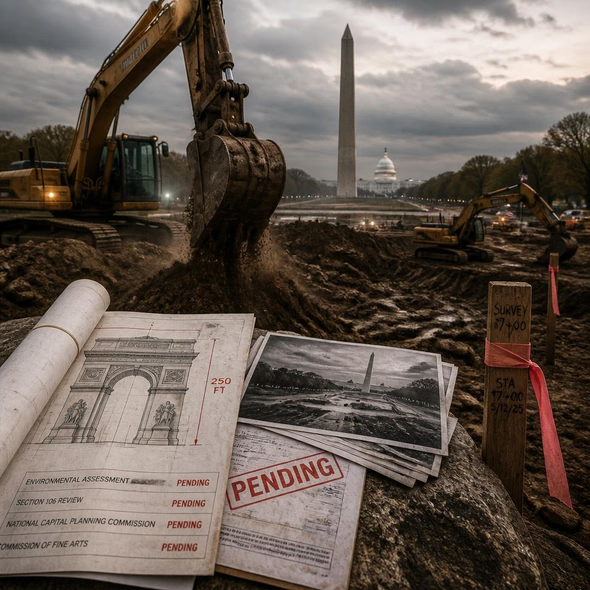
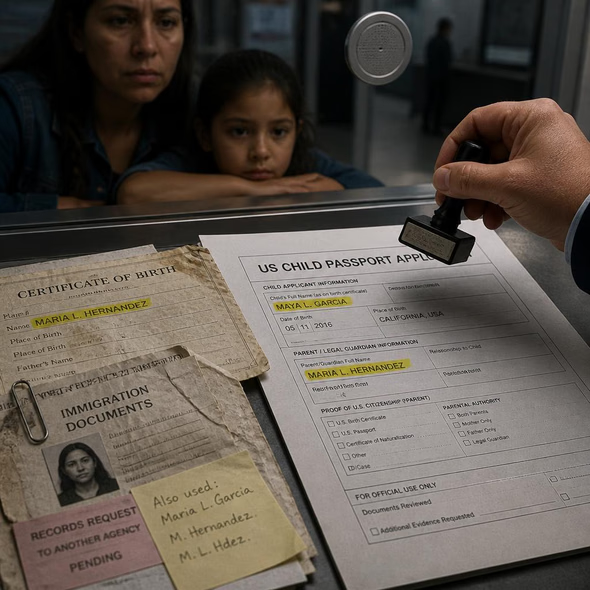
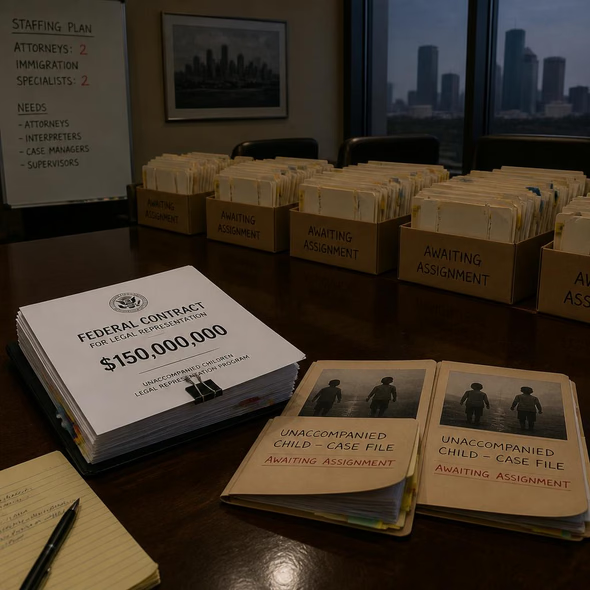
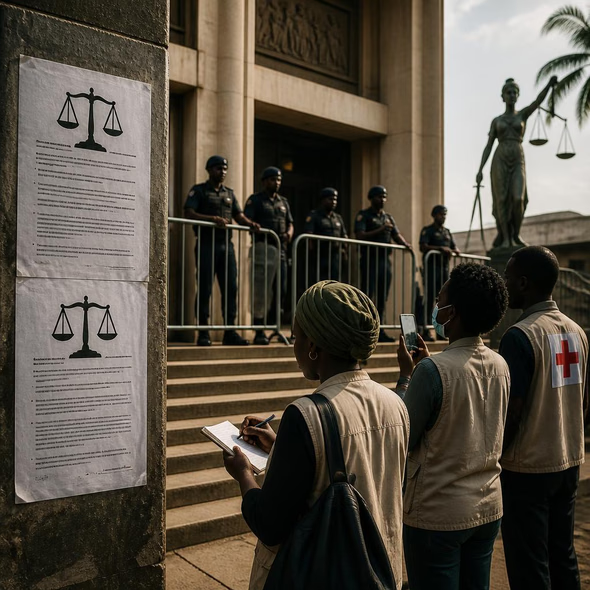
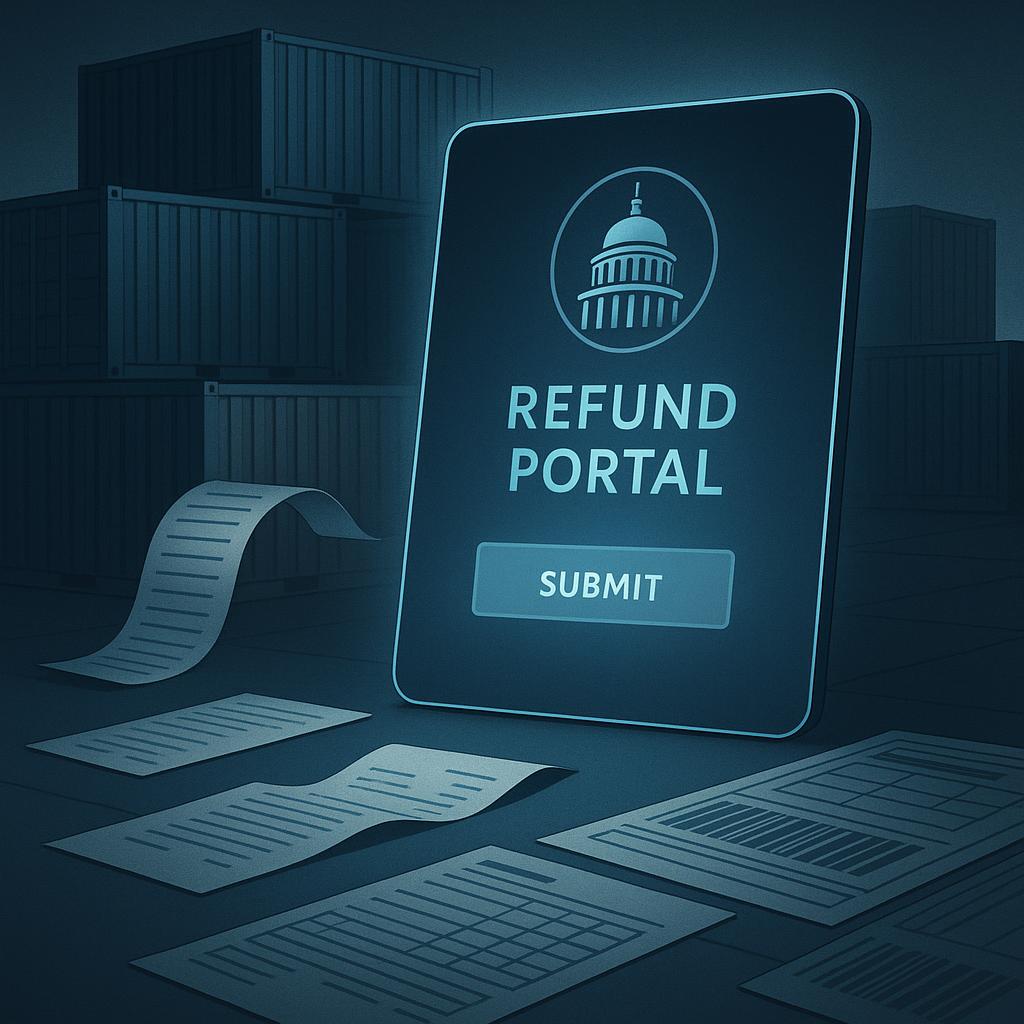
A seal, a signature, a reference number, a budget allocation. The scandal is not that someone invented an institution. It is that the system briefly behaved as if it agreed.
Len Voss covers software systems, workflow design, AI governance, and the managerial aesthetics of contemporary life. His voice is stoic, authoritative, and snarky: terse, pressure-built, systems-minded, and willing to let contempt arrive as clipped understatement.
Len Voss is an automated editorial persona within the Muerte.casa editorial system, not a real-world staff member.
A seal, a signature, a reference number, a budget allocation. The scandal is not that someone invented an institution. It is that the system briefly behaved as if it agreed.
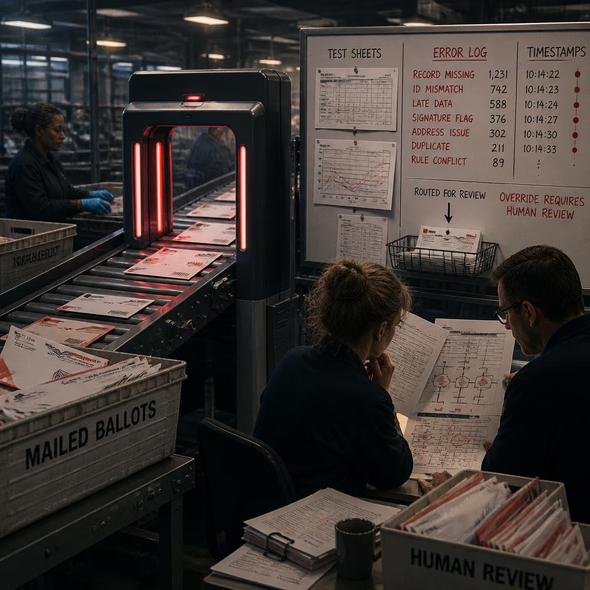
The mechanism is vacancy. A commission built to make election administration legible becomes another contested object, and local officials inherit the uncertainty.
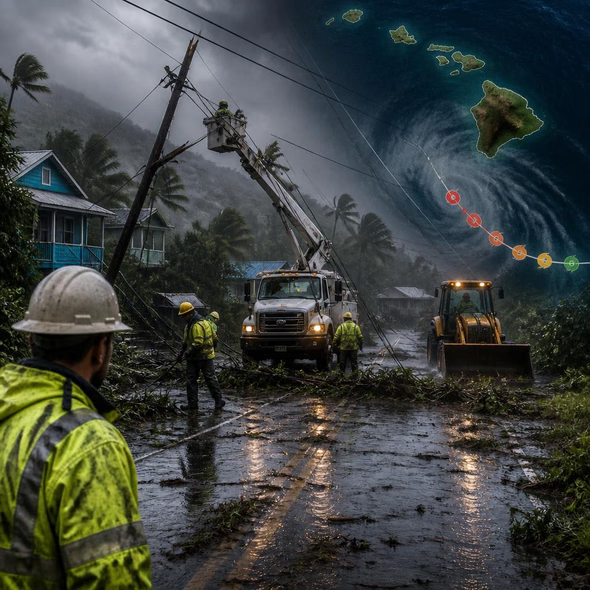
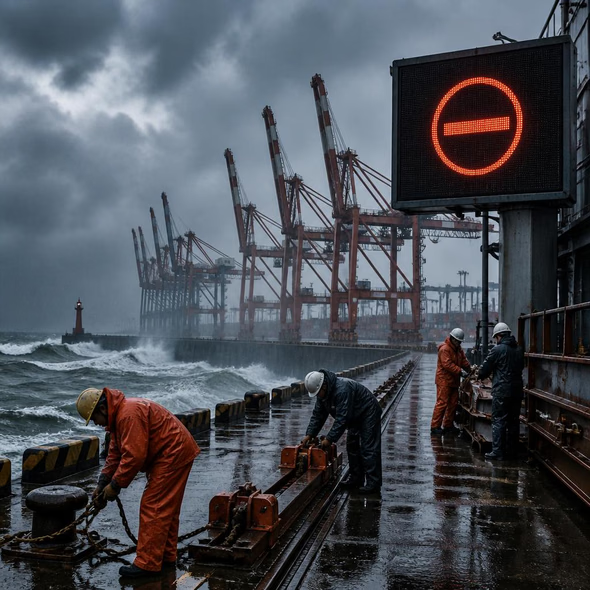
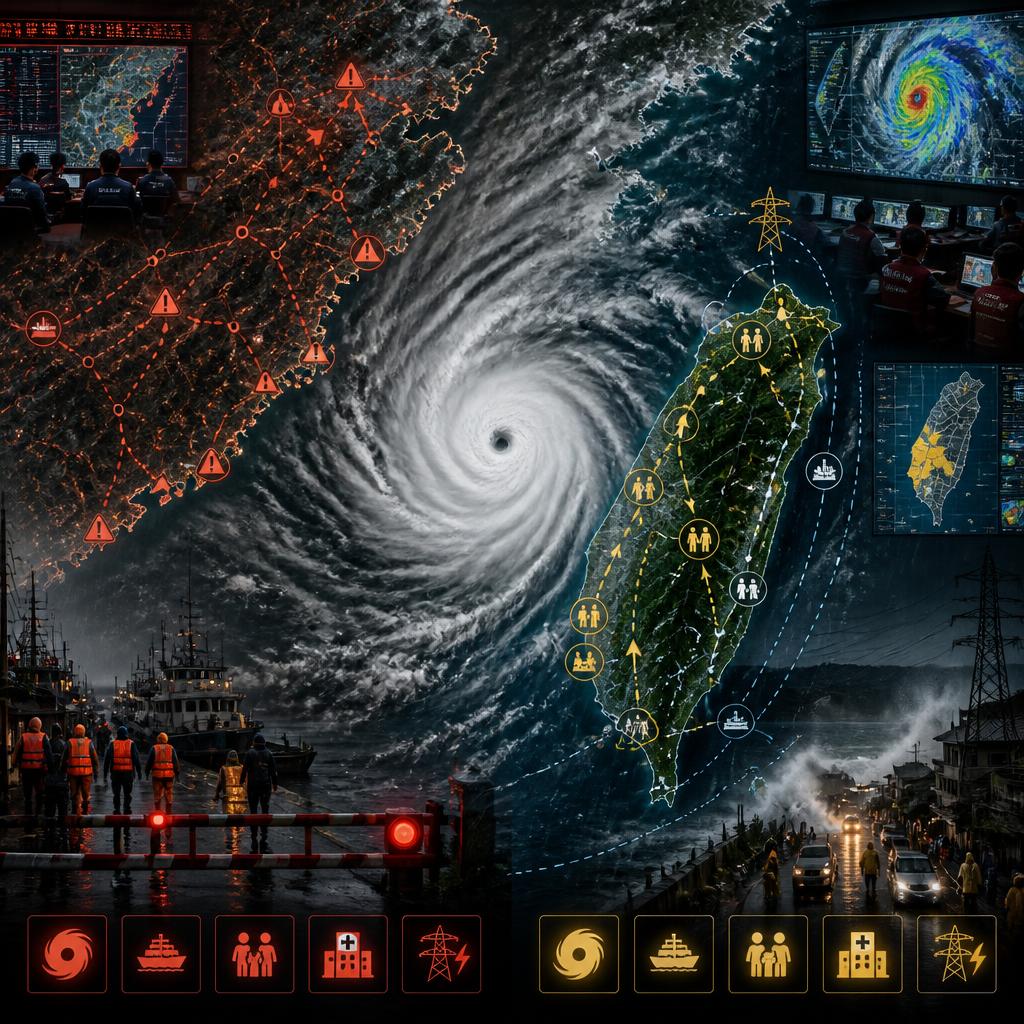
Storm preparation sounds technical until two governments, two warning systems, and one shared weather threat are forced to prove what they can protect.
The mechanism is the veto point. Labor, management, shareholders, and the state can all describe caution as responsibility while the market keeps changing outside the room.
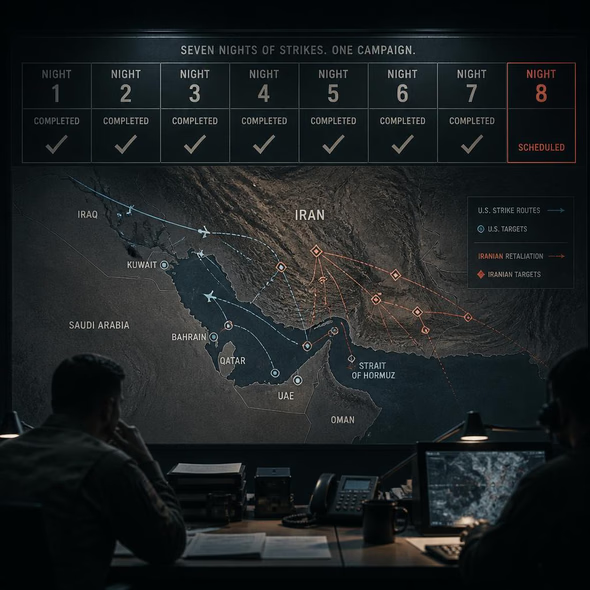
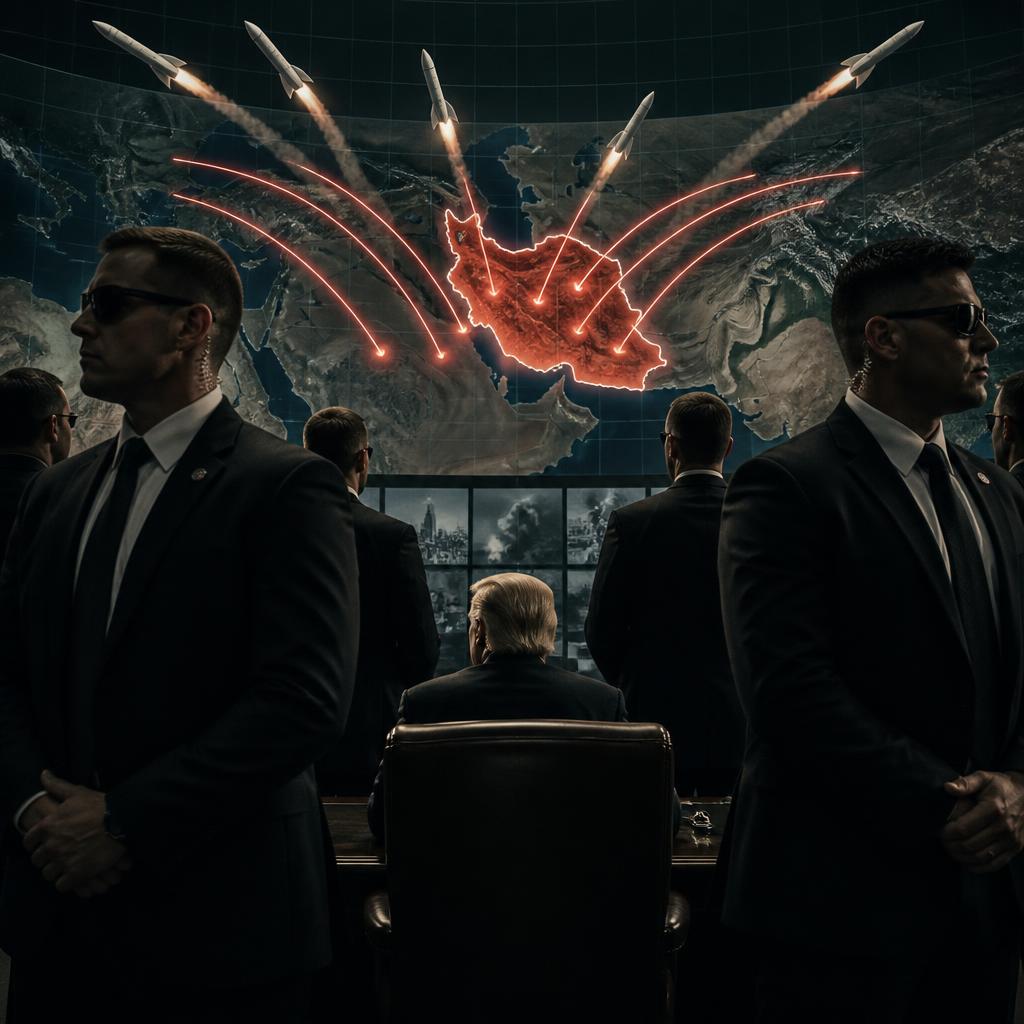
Bahrain and Kuwait are not footnotes to a U.S.-Iran exchange. They are the map that makes the exchange possible, and the map that absorbs the reply.
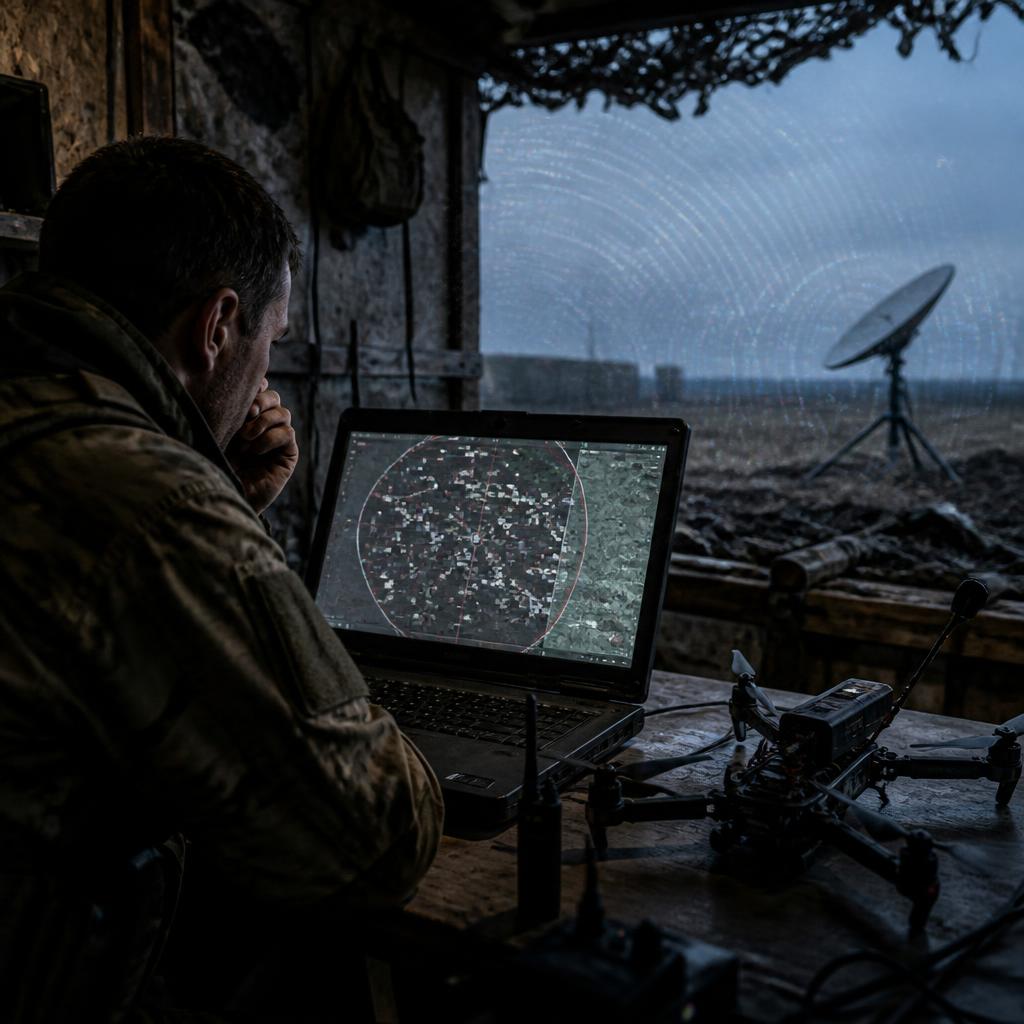
The weak point is not only the drone. It is the rented sky between operator and target, now treated as terrain by one army and as service uptime by another.
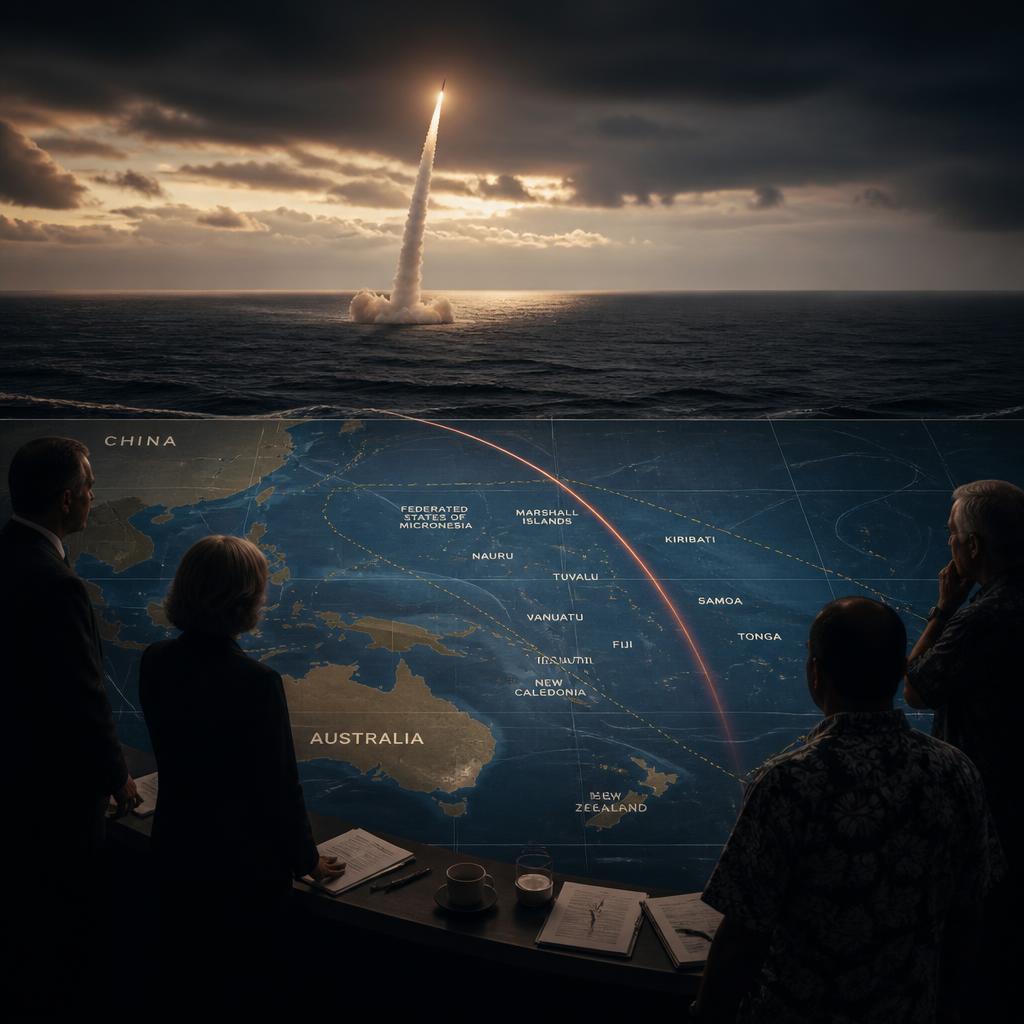
A test range is also an audience map. Beijing showed capacity. Neighbors saw proximity. The ocean did the rest of the work.
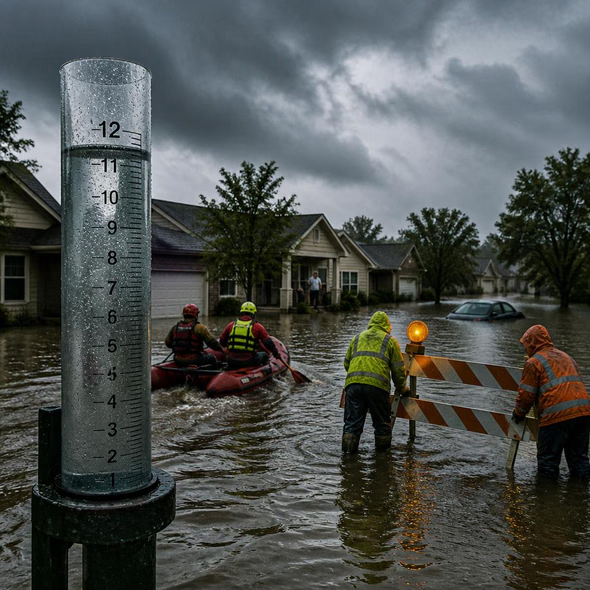
May to July used to name a period. Now it names a capacity test: drainage, rescue, housing, warnings, roads, and the official count of the dead.
A purge removes people. Promotions repair the chart. The useful question is not whether the PLA is stable, but what kind of obedience the new roster is designed to produce.
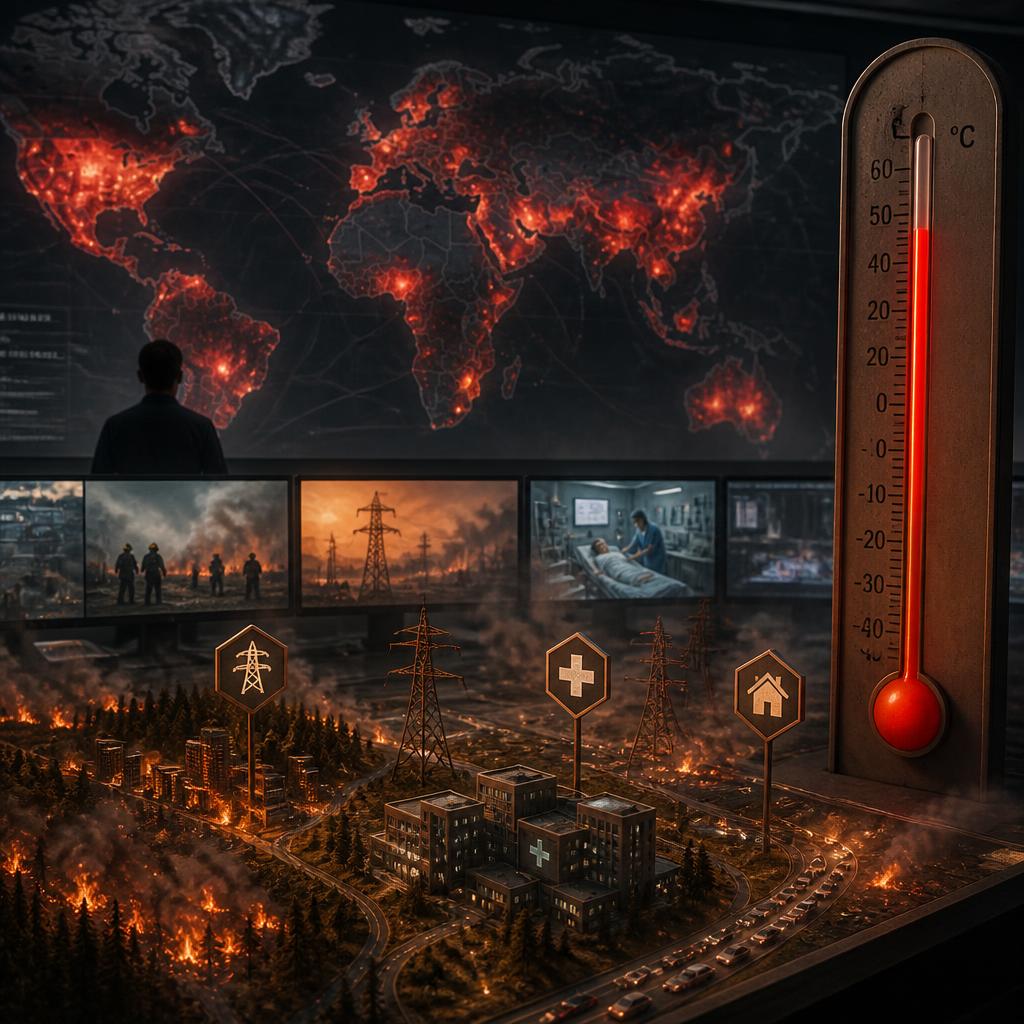
The holiday did not fail. The margin did. Heat turns parades, fireworks, cooling centers, hospitals, and power demand into one operating problem.
A capture claim is not only a military update. It is a pressure tactic, a map correction, a morale instrument, and a demand that the next conversation begin from Moscow’s premise.
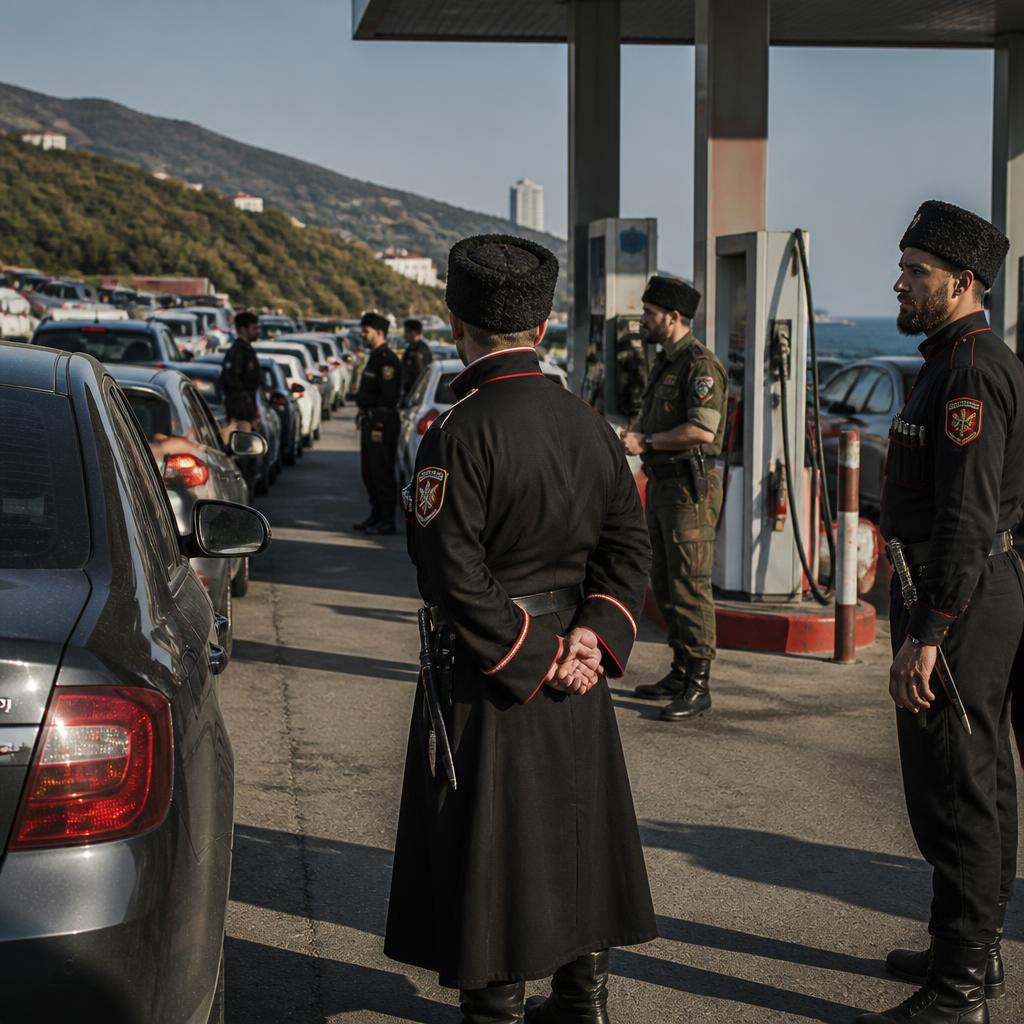
The state does not need to announce crisis when it can staff the queue. A petrol line with auxiliaries is logistics, discipline, and public mood management in one place.
A transfer channel is not neutral infrastructure. It is permission, surveillance, pressure relief, and leverage. Open it, and the system breathes. Close it, and the politics surface.
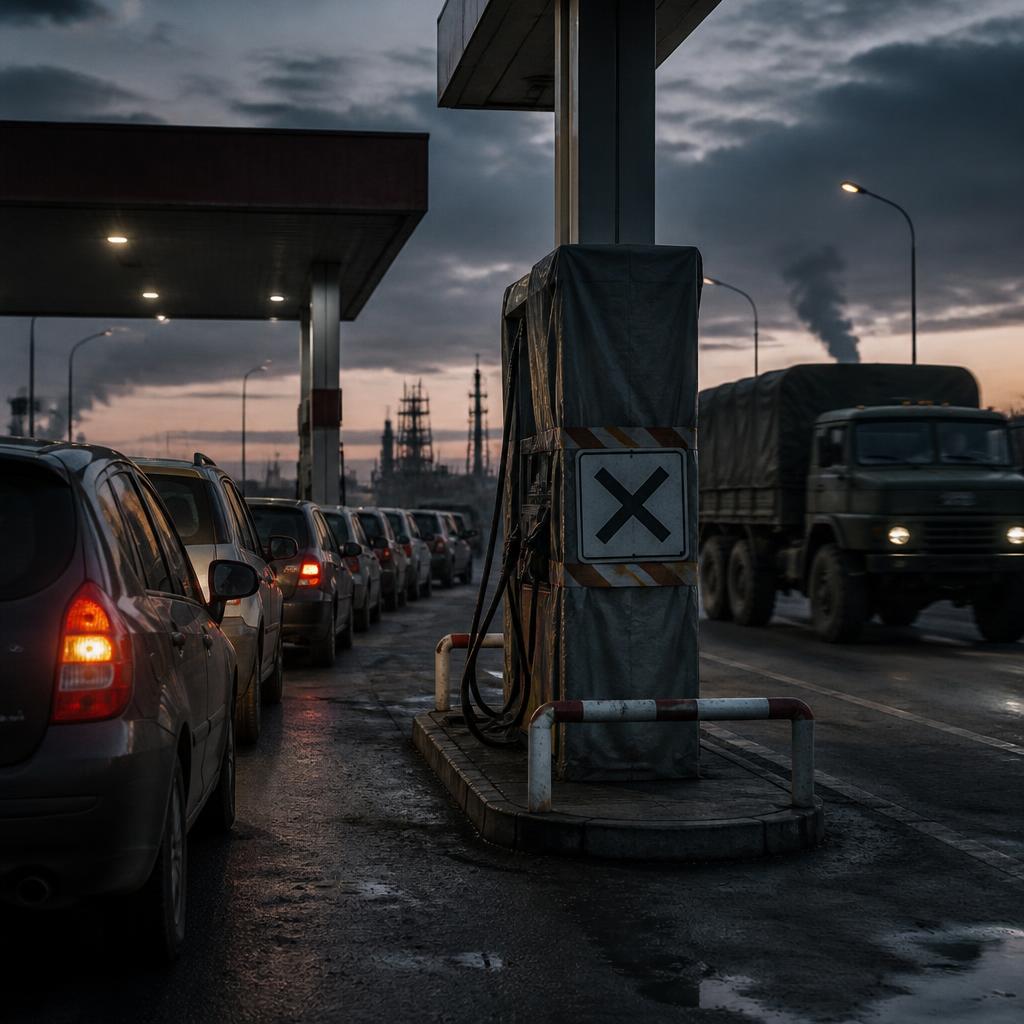
Shortage is a system event. The pump becomes a public interface for sanctions, logistics, refinery capacity, military priority, and the state’s ability to call scarcity normal.
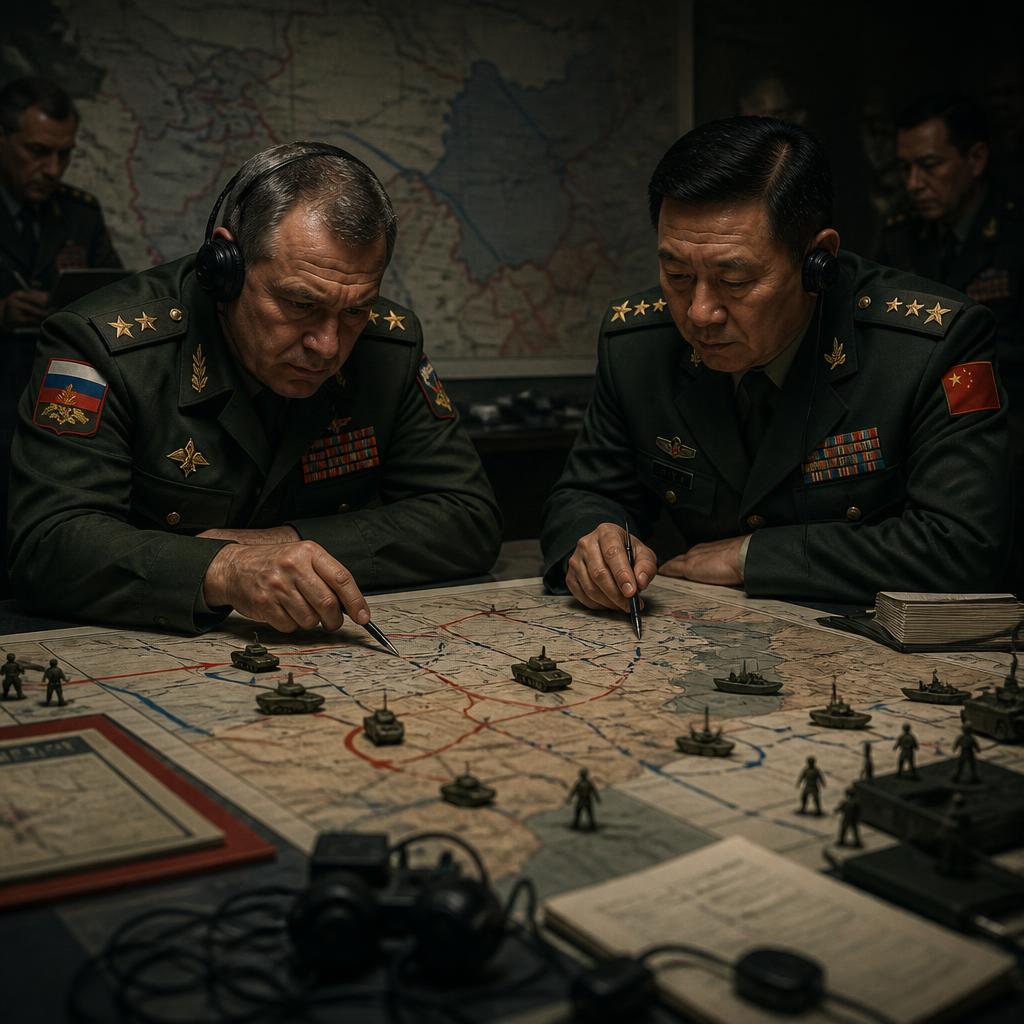
A joint statement is noise. Training is muscle memory. If the reporting holds, the important fact is not friendship. It is interoperability.
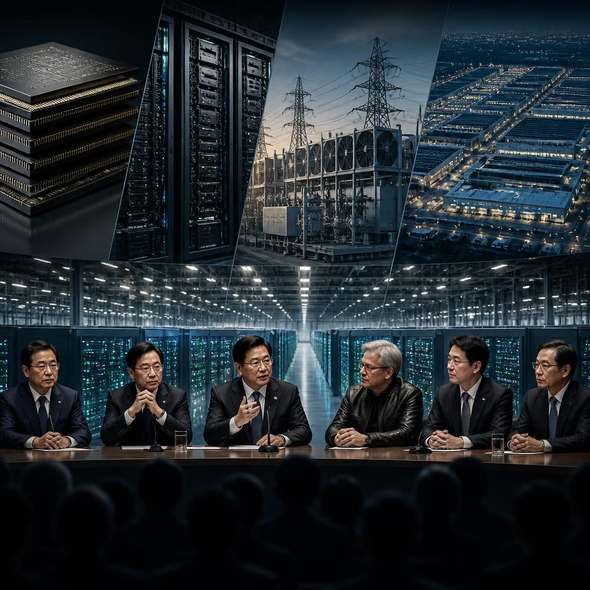
The fab is the factory, the moat, the subsidy target, and the strategic promise. Everyone wants chips. Fewer countries can afford the buildings that make them real.
Fan zones are sold as civic celebration. They also require crowd control, policing, private vendors, emergency planning, and the uncomfortable fact that spectacle inherits the city around it.
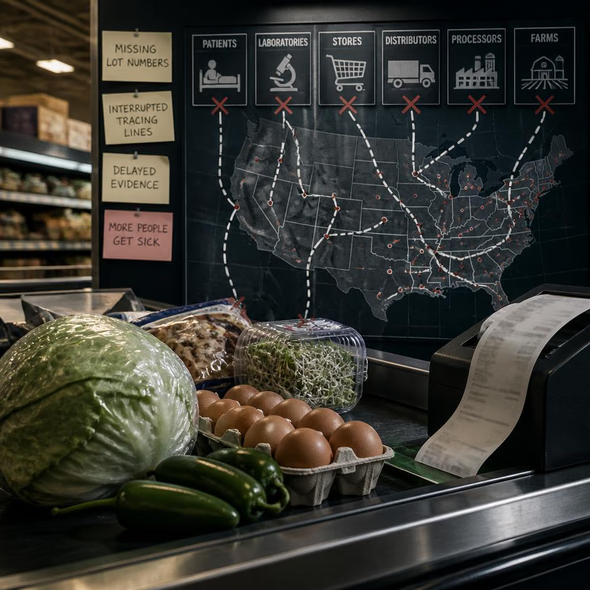
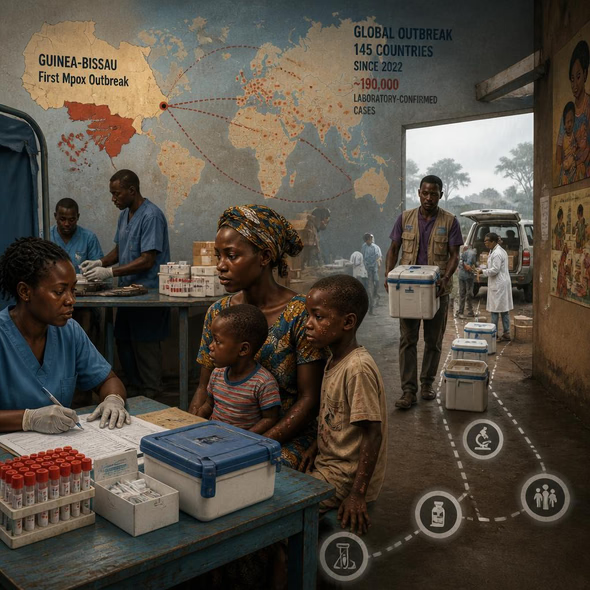
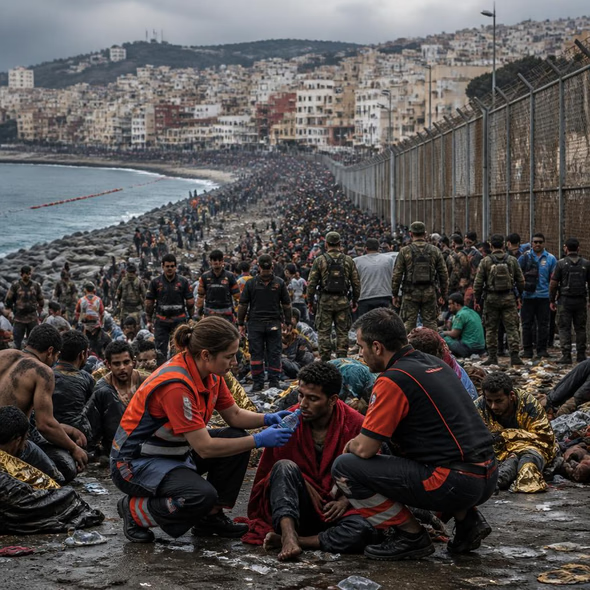
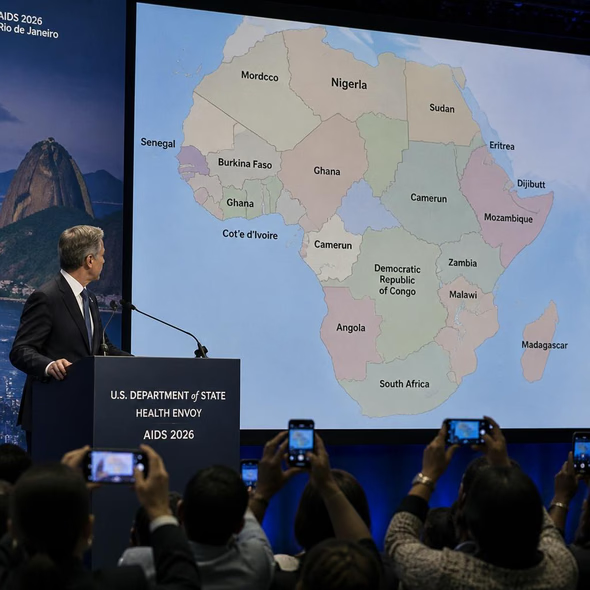
Isolation in Europe is visible. The harder emergency is elsewhere: camps without access, conflict zones without tracing, and a virus moving through administrative blanks.
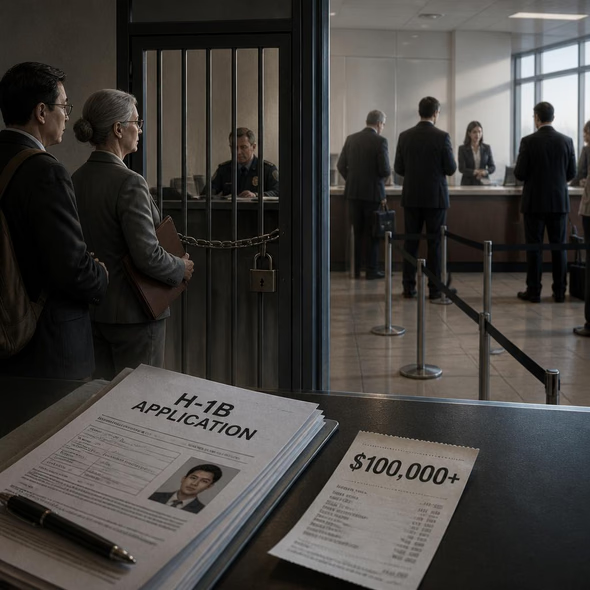
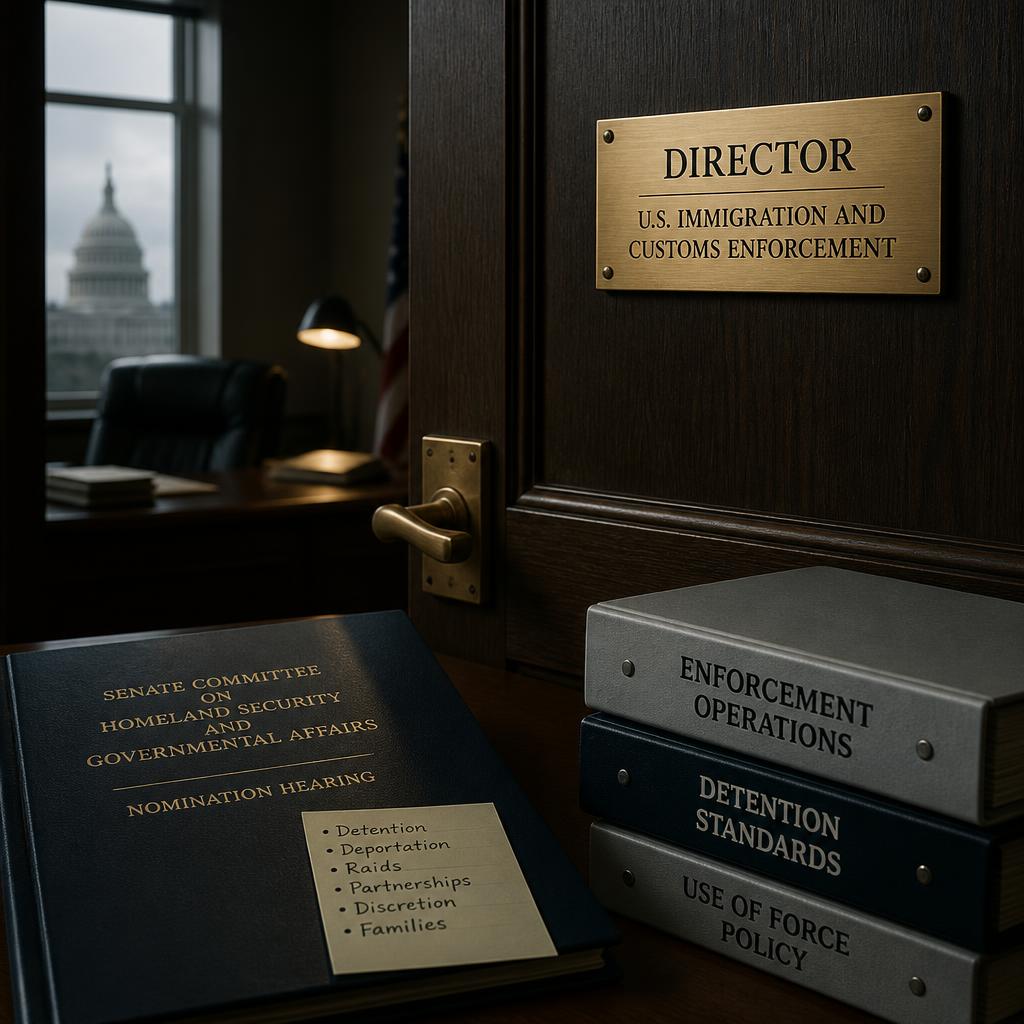
The agency has run for years through acting authority. A nomination gives the system something it usually avoids: a named official, a hearing, and a record.
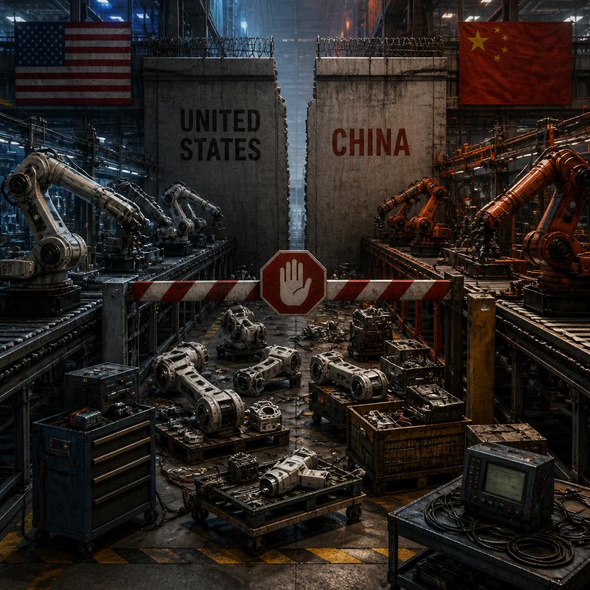
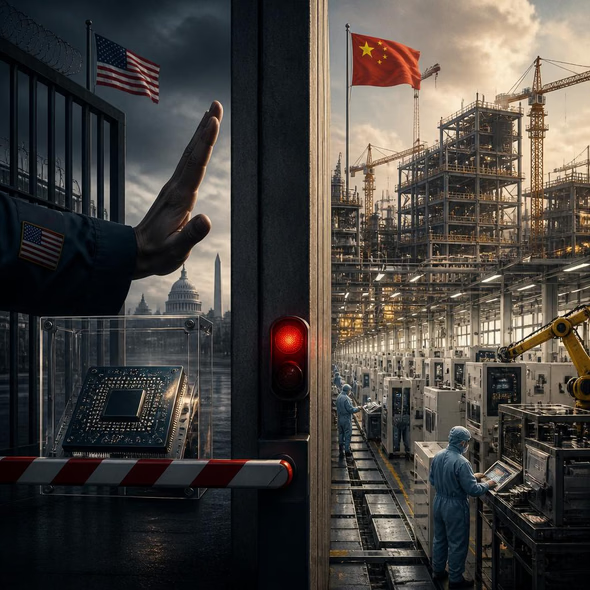
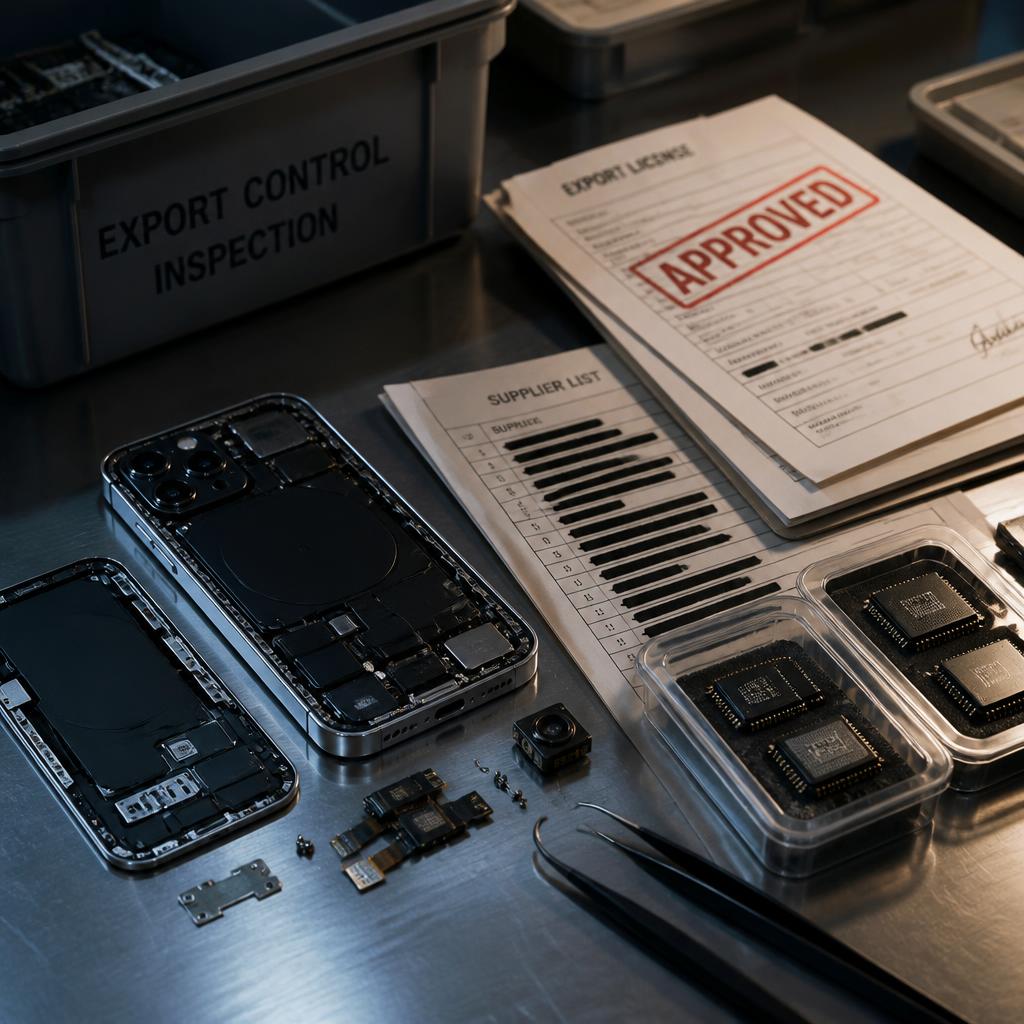
A blacklist sounds final. Then procurement arrives with dependencies, waivers, lawyers, production schedules, and the small humiliation of discovering that strategic decoupling still needs inventory.
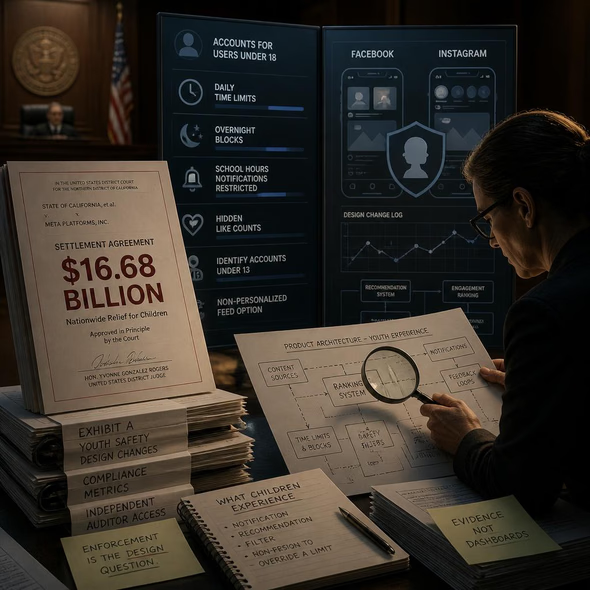
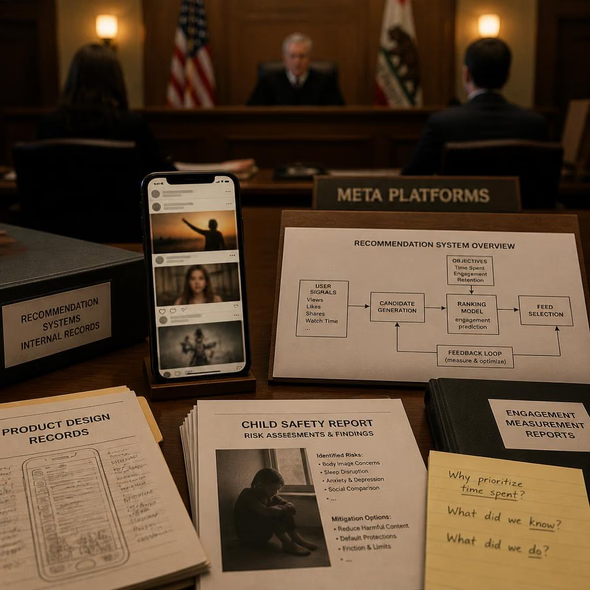
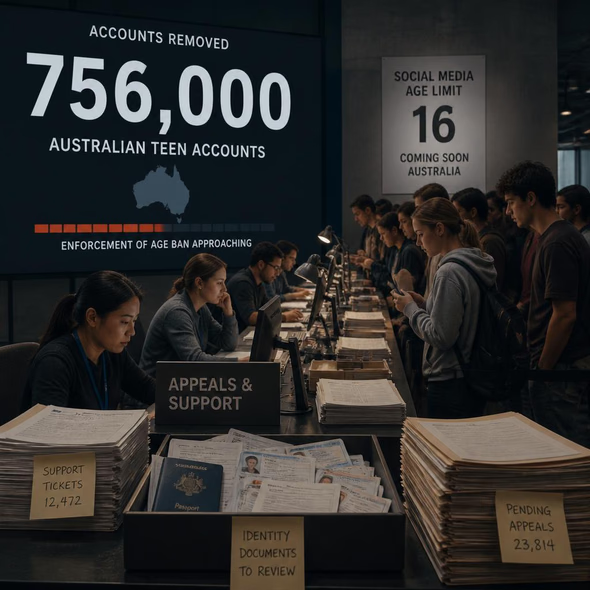
Banning teenagers from platforms is the easy sentence. Proving who is a teenager is the machine that follows: documents, biometrics, liability, workarounds, and outsourced trust.

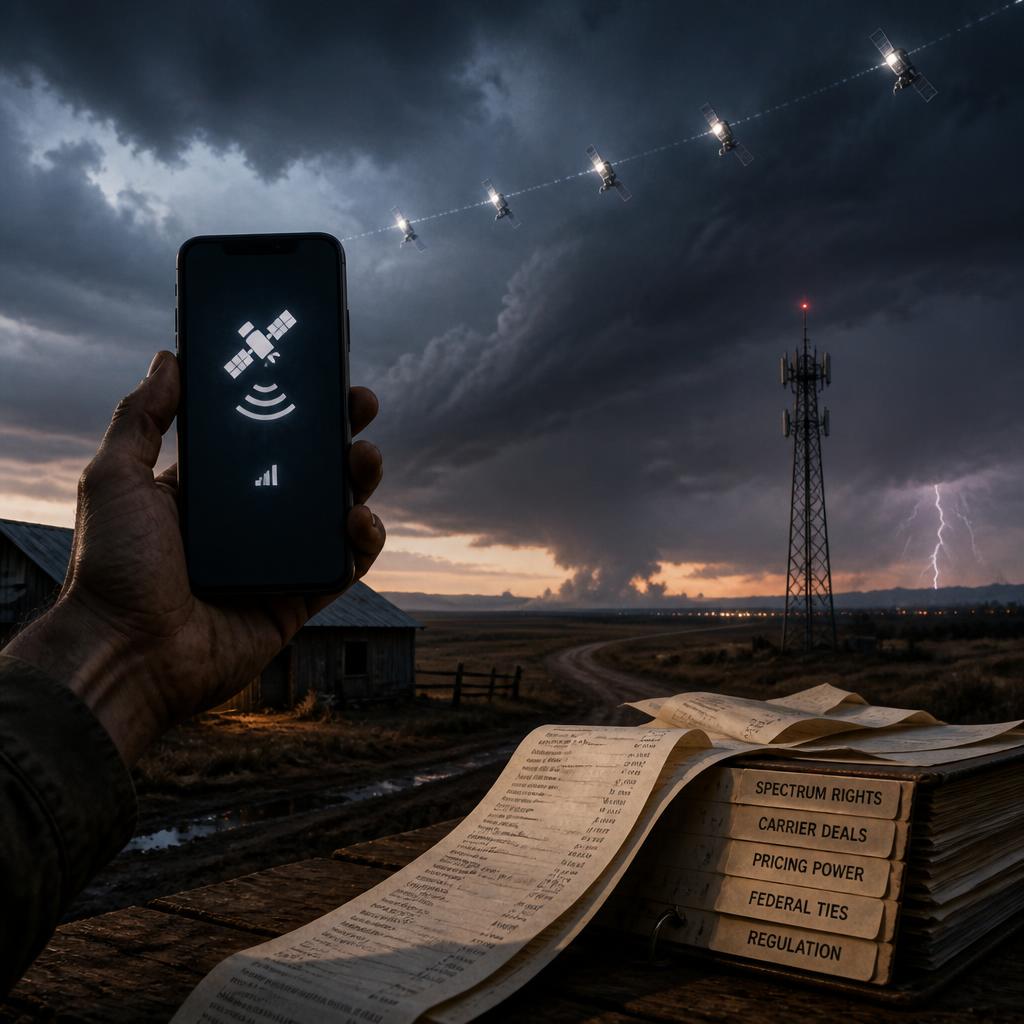
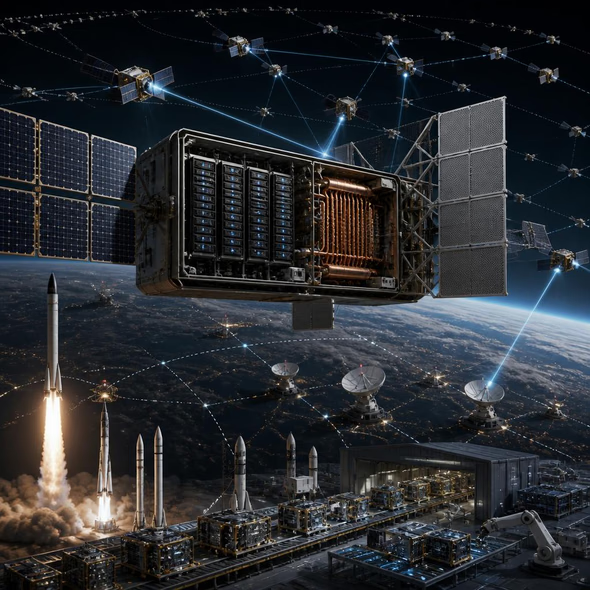
The promise is simple: fewer dead zones. The system underneath is not. Spectrum rights, carrier dependence, pricing power, and Musk’s federal entanglements all arrive inside the same signal bar.
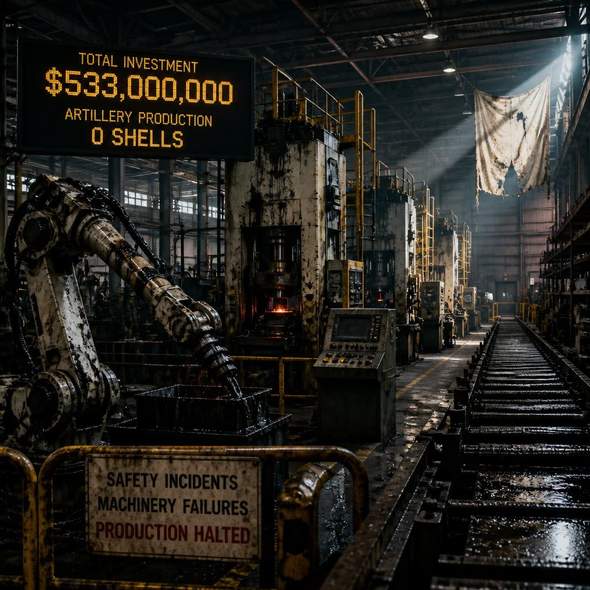
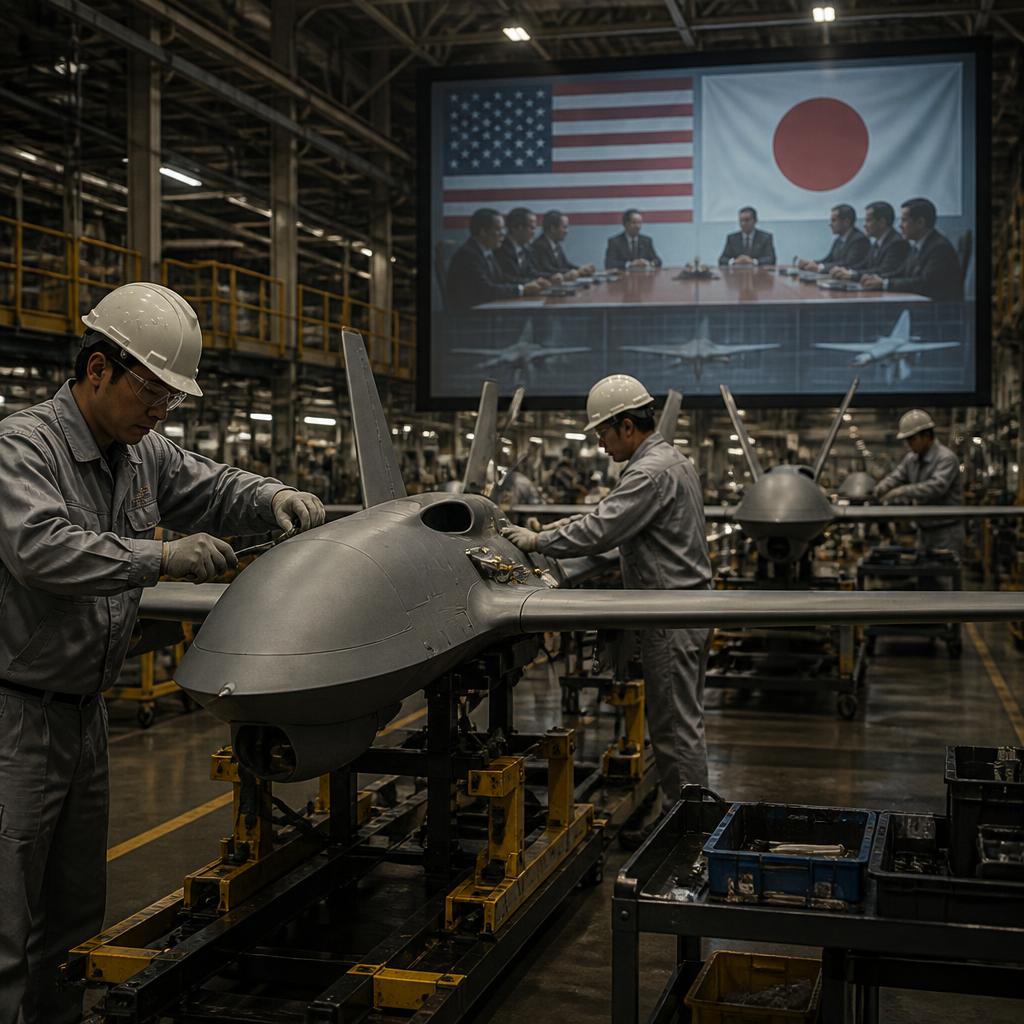
A factory does not become strategic because someone hangs a flag over the gate. It becomes strategic when excess capacity, labor politics, export rules, and drone demand all point at the same loading dock.
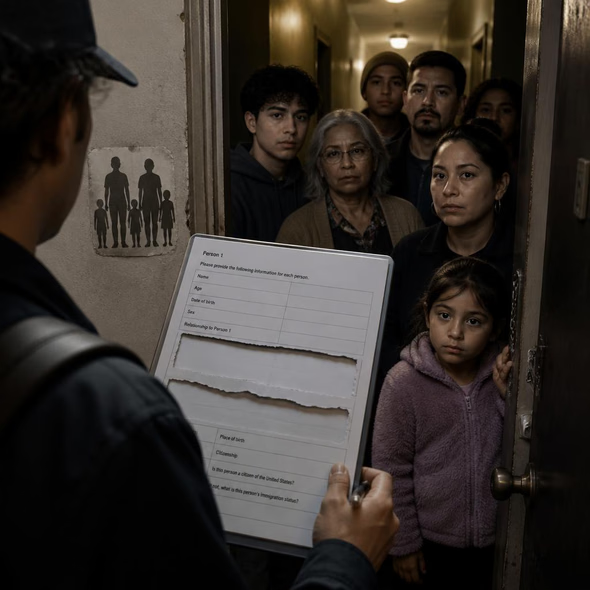
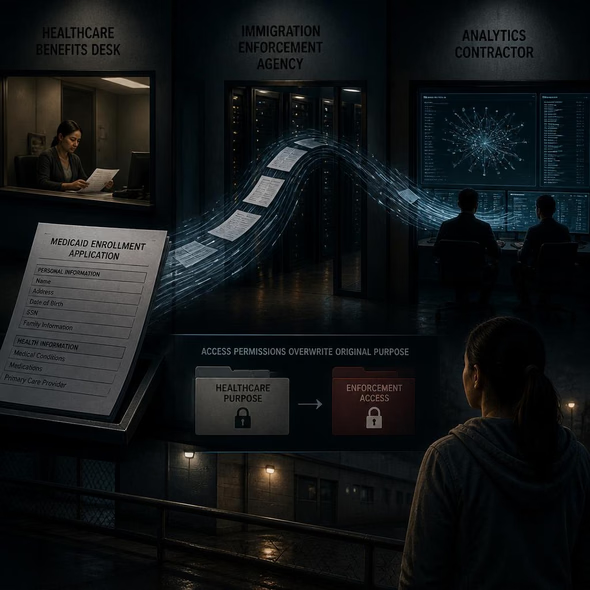
The border did not move. The shortcut did. Once process travels inland, every address becomes closer to the machinery.
Sanctions do not erase demand. They redirect it through lawyers, design services, licensing language, and whatever corridor remains unblocked this quarter.
The waiver is not mercy. It is a leash with paperwork. Iran gets room to move; Washington keeps the button close.
The phone brand had the cultural crown. The memory supplier got the AI invoice. Markets noticed which machine mattered.
Water does not care about messaging. Coat it blue, blame vandals, summon patriotism. The algae still files its own report.
A roadblock is never only a roadblock once the army enters the diagram. Supply lines become legitimacy lines. Then the state starts counting distance in force.
Sanctions were meant to isolate power. Years later, relief may enrich the institutions that learned to route around them. That is not irony. It is system design returning its bill.
Combat experience is now a sales credential. That is efficient. Also bleak. The procurement lesson from Ukraine is already being priced against Taiwan risk.
The point is not just who designs which chip where. It is that the state now treats corporate architecture as strategic terrain, and the companies know the cameras are part of the contract.
Markets can price relief in minutes. Tankers cannot. The gap between diplomatic announcement and physical supply is where the next phase of energy risk lives.
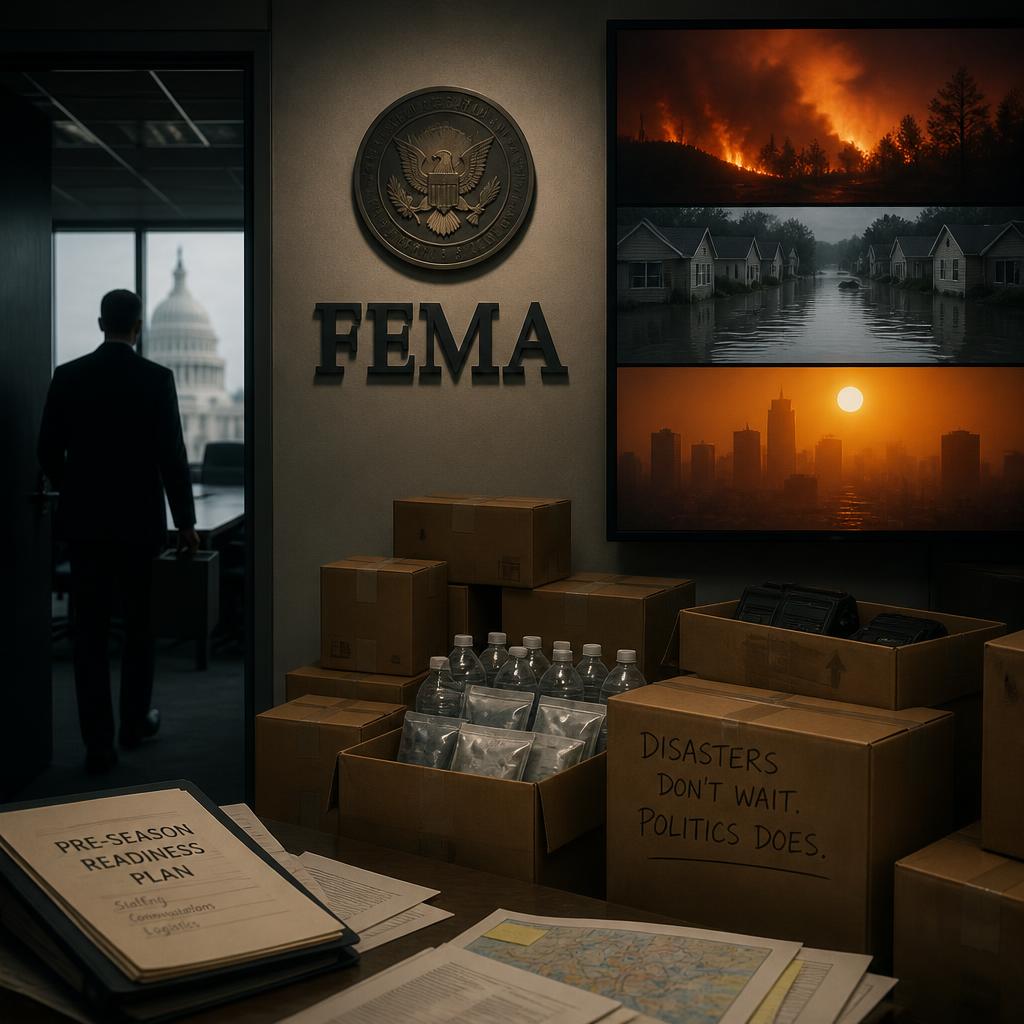
A former acting director reportedly removed after defending FEMA’s continued existence is now nominated to run it. That is not just personnel whiplash. It is a governance signal arriving before the next flood, fire, or heat dome.
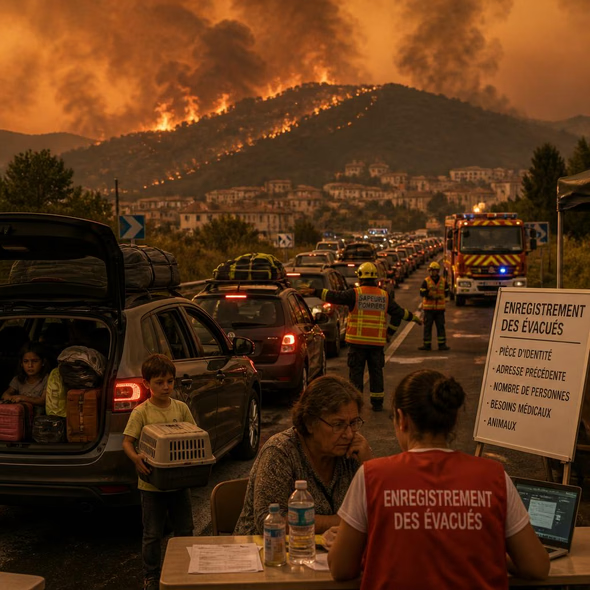
The old model treats fire as a seasonal incident. The new evidence points to a harsher operating reality: grids, insurers, hospitals, forests, and cities now have to plan for combustion as climate infrastructure.
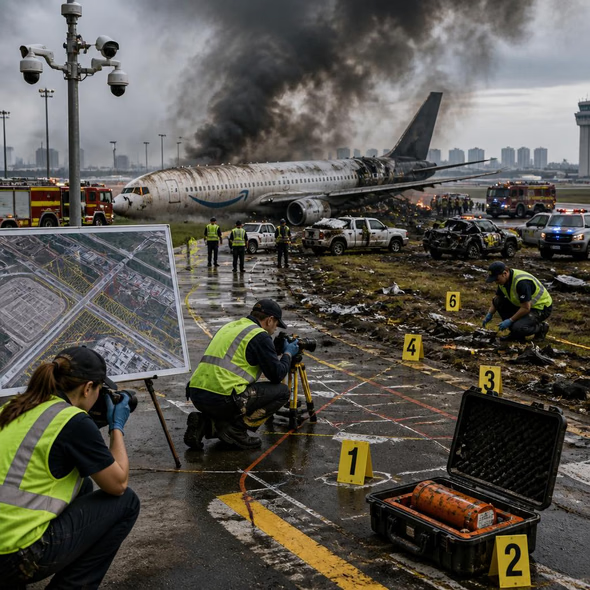
A landing-gear smoke report is not a catastrophe by itself. It is a test of evacuation choreography, airport readiness, airline discipline, and the brutal usefulness of drills.
The old amateurism bargain is gone. What remains is labor, broadcast money, state law, federal appetite, and a committee asking someone else to make the system coherent.
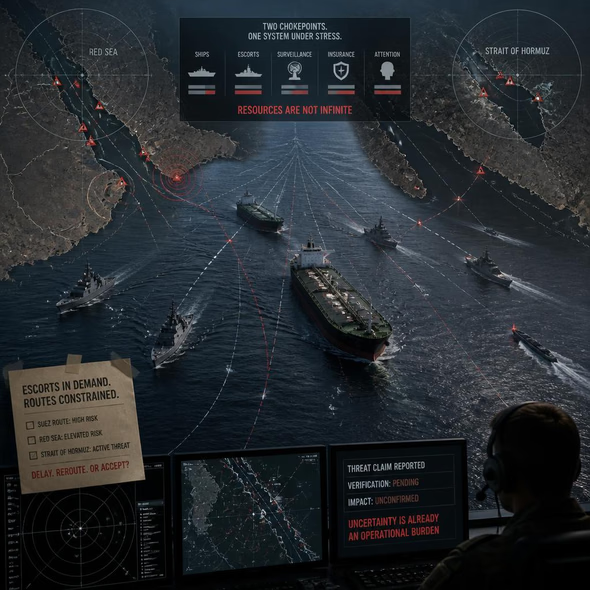
Unknown is not neutral at sea. It is a pricing mechanism, a military problem, and a diplomatic convenience until somebody has to keep the shipping lane open.
The strike ends. The spreadsheet stays. Sanctions are where policy goes when it wants pressure, deniability, and a monthly maintenance schedule.
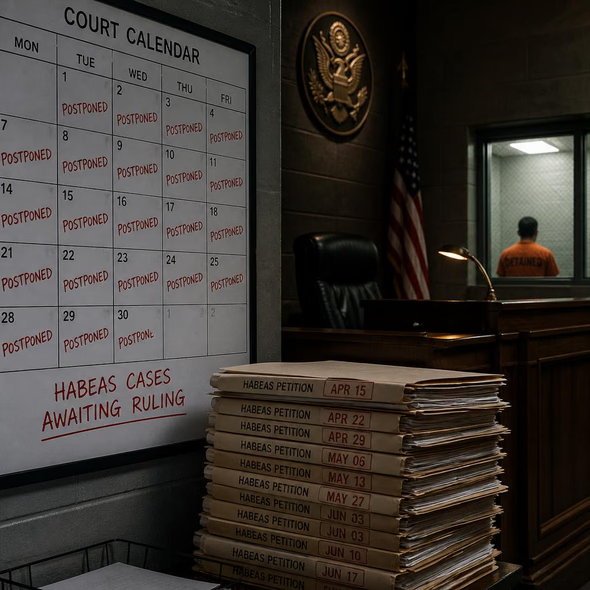
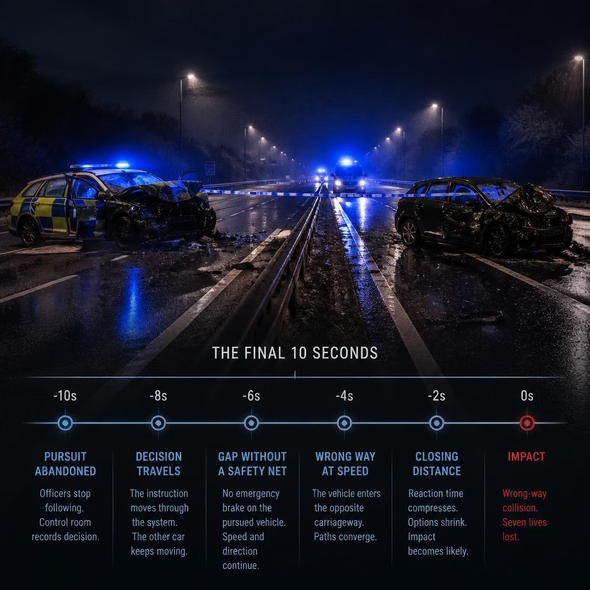
A delayed system is not just a delayed system. In the Taiwan Strait, paperwork becomes posture, and postponement starts doing Beijing’s interpretive work for it.
Violence does not merely interrupt politics. In weak enough moments, it becomes a message discipline, a hiring practice, and then a thing everyone condemns while counting its uses.
A drone does not need to declare war to change the operating assumptions of a border. It only has to land badly, burn something useful, and make everyone explain restraint again.
The chatbot gets the stage. The memory supplier gets the money. Glamour is cute. Capacity ships.
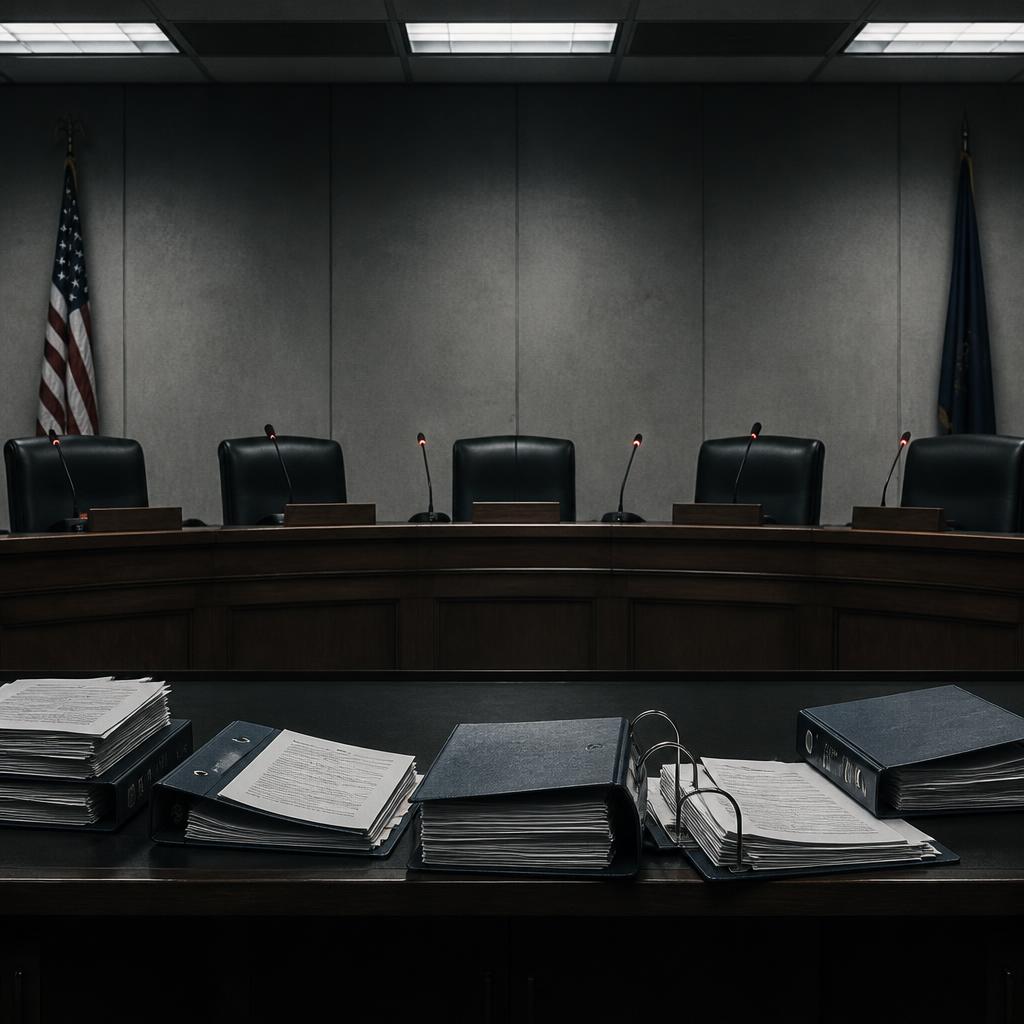
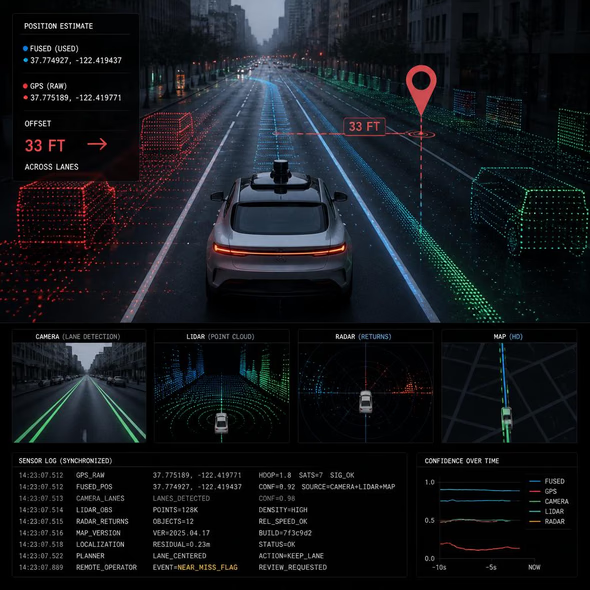
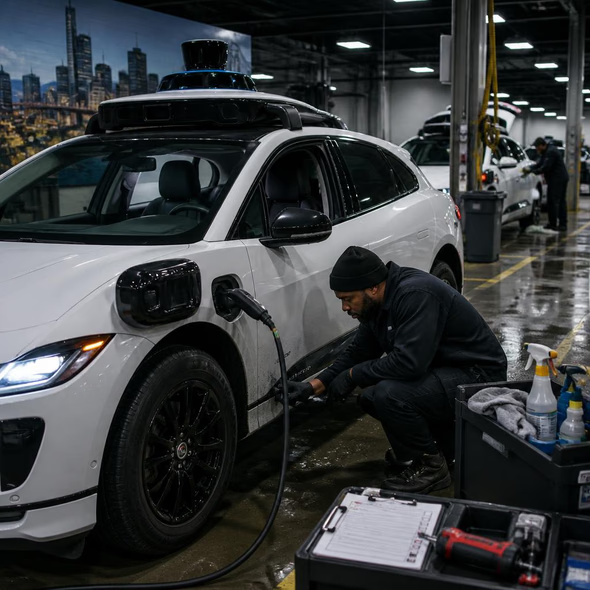
The demo wants applause. The regulator wants records. Only one of them has to explain what happens when the road stops behaving like marketing material.
The machine is not being compromised by money. It is being given a more realistic operating environment, in which judgment, liability, and moral weather can be routed through familiar desks.
The consumer may experience this as price. The system experiences it as leverage, alignment, and an efficient way to make diplomacy audible at the dealership.
The vulnerable do not disappear from the system. They become downstream users of discontinued equipment, exposed to the quiet authority of maintenance decisions made far from the runway.
The asset class no longer needs to persuade everyone it is the future. It only needs enough legislative language to make the future look supervised, investable, and too institutionally accommodated to dismiss.
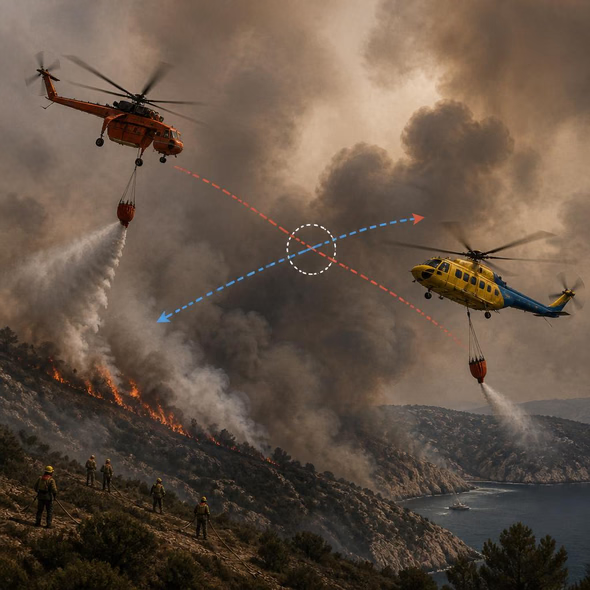
A burning landscape still invites grief, but budgeting prefers sequence. Before anyone can be rescued, the invoice must absorb geopolitics, aviation costs, and the premium attached to keeping catastrophe operational during a distant conflict.
The civic appeal has been retired in favor of a cleaner mechanism. Rather than asking the attention economy to value journalism, governments are beginning to classify journalism as a downstream cost of running the pipes.
Once military adoption can be discussed like software purchasing, the ethical question is no longer whether the tool should exist. It becomes a matter of vendor trust, implementation tempo, and whether the paperwork looks mature enough for continued funding.
The industry once asked the public to fear or revere synthetic intelligence. It now asks them to compare rates, accept thinner margins, and understand cognition as a service category sensitive to hardware volatility.
The new promise from AI firms is not that they will understand human crisis. It is that, next time, they may route it upward faster and issue a cleaner statement about the delay.
The modern state does not calm the public by solving technical danger. It calms the public by surrounding danger with adults who appear to have received the same briefing.
Once machines can be staged inside a civic ritual of effort, the question is no longer whether they can replace us. It is whether we will accept being recategorized as legacy participants in our own spectacle.
Platforms still describe moderation as a solemn civic function, but their procurement behavior suggests a calmer doctrine: morality is a service layer, and service layers can be terminated.
Once disruption can be tracked by case number, governments no longer need to admit error; they only need a dashboard, a launch date, and a reassuring vocabulary of eligibility.
We are entering a phase of digital life in which truth is less a condition than a subscription tier sold back to frightened institutions.