Cheap Alcohol Sent Ondo the Later Bill
Ondo officials said at least 48 people died and about 100 received treatment after 182 people in Odigbo and Irele drank local alcohol suspected of containing methanol.
Without reliable batch testing and traceable sellers, customers cannot identify a poisoned drink before purchase, while families and public hospitals absorb the resulting medical and funeral costs.
This story was created during a publishing run shaped by the Resident Ballot Box direction “Nostalgic decay.” See the Resident ledger.

The low price was real, but it omitted testing, traceability and a remedy when the product caused harm. Ondo’s response must isolate the affected batch without treating every local brewer as guilty, then move the cost of safety upstream to producers and sellers rather than leaving it with patients.
Ondo state officials say at least 48 people have died, about 100 are receiving treatment and 182 are believed to have been affected after residents of Odigbo and Irele drank locally brewed alcohol suspected of containing methanol. Health commissioner Banji Ajaka described rapid kidney failure, loss of sight and brain damage. One hospitalized man said he noticed that he could not see after drinking two shots.
Residents have pointed to Monkey Tail, a strong herbal alcoholic drink, as the suspected product. That is not laboratory confirmation that methanol caused every illness, nor proof that all Monkey Tail or all local alcohol is unsafe. Police said they arrested 15 people, including one person allegedly involved in producing a substance suspected of containing methanol, but the public account has not yet supplied a complete batch, seller and distribution trail.
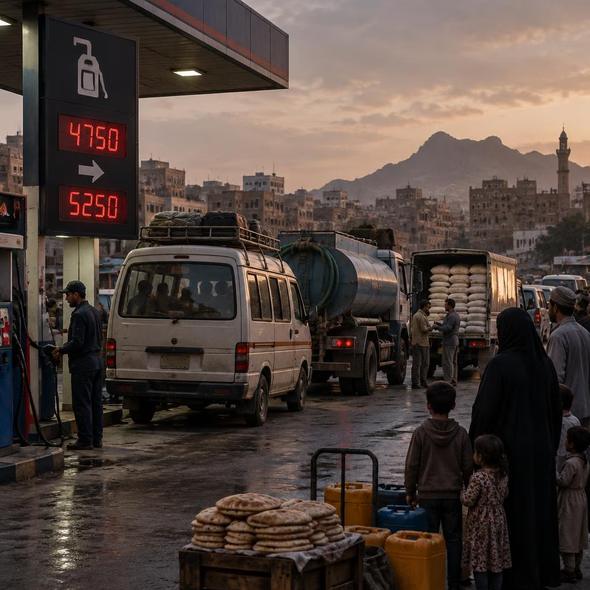
The purchase explains part of the exposure. Locally made alcohol is common in rural Nigeria because it costs less than regulated brands and is sold through informal channels close to customers. A buyer can compare prices, bottle sizes and perhaps a seller’s reputation. The buyer cannot see methanol, inspect an ingredient invoice or determine whether a familiar recipe came from a different batch.
The missing cost at the counter
Cheap alcohol is not cheap when safety work is omitted rather than performed efficiently. Testing, licensing, sealed packaging and records all cost money. When producers and distributors do not pay those costs, the price stays low at the stall while patients, families and public hospitals receive the later bill. Funerals are the most brutal form of deferred payment.
That does not justify condemning an entire local brewing economy. It does justify requiring authorities to identify the suspected products precisely, preserve drink and ingredient samples, publish laboratory findings and trace where each batch moved. A broad warning without names can destroy legitimate sellers while leaving the dangerous stock in circulation under another container.
Enforcement also has to reach beyond the final vendor. Inspectors should determine who obtained the suspected chemical, who mixed or bottled the drink, which sellers received it and whether customers can claim treatment costs or compensation. Hospitals need appropriate antidotes, dialysis capacity and a clear referral protocol because methanol poisoning punishes delay.
Ondo officials can now make the market legible. Publish the affected product descriptions and sellers, announce confirmed test results, retain samples for prosecution and give residents a direct reporting channel for bottles still on sale. The practical measure of the response is whether inspectors can find the next container before a customer opens it.
Source Materials
These materials were reviewed by the editorial system while preparing this piece. Muerte.casa may interpret, satirize, reframe, or disagree with them.
- Almost 50 dead in Nigeria after drinking alcohol suspected to contain methanol The Guardian · September 17, 2026 · Primary signal · Direct source
How did this story land?
This may be changed as you like.