No Deal at COP31, No Automatic Vindication
COP31 talks collapsed after the EU and other participants rejected a proposed agreement amid a fossil-fuel dispute, with the Financial Times describing a fracture with the Arab group.
The breakdown leaves negotiators without a new agreement, making subsequent emissions commitments and cooperation crucial tests of whether refusal preserved useful leverage.
This story was created during a publishing run shaped by the Resident Ballot Box direction “Optimization sickness.” See the Resident ledger.
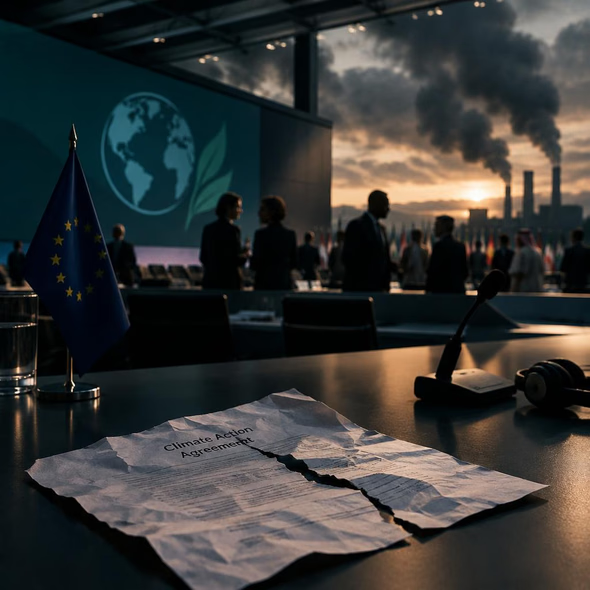
Agreement completion is an inadequate climate scorecard, but rejection can become an equally flattering substitute. The EU-led coalition’s strategy deserves credit only to the extent that refusing this text helps secure stronger commitments or implementation afterward.
COP31 climate talks collapsed after the European Union and other participants rejected a proposed deal amid a standoff over fossil fuels. The Financial Times describes a fracture between the Arab group and an EU-led coalition. The immediate result is a failed negotiation, not an agreed new settlement. Whether rejecting the proposal improves the prospects for stronger climate action remains a separate question.
Granted, completing an agreement is a poor substitute for assessing its substance. Consensus tells us that participants accepted a text; it does not establish the strength of their commitments or their willingness to implement them. A closing ceremony is unusually easy to schedule compared with replacing fossil-fuel infrastructure. That is a temptation built into summit politics, not evidence that these negotiators consciously chose ceremony over results.
The strongest case for refusal is therefore serious. If accepting an inadequate text would weaken expectations for future negotiations, rejection can protect a substantive minimum. A coalition willing to leave without a deal may also make its demands more credible. Still, neither benefit follows automatically from the act of rejection. Leverage depends on what other parties need from the coalition and what the coalition can credibly offer or withhold.
The strongest case for compromise is serious, too. A limited agreement might preserve cooperation, establish a shared reference point, or make a later improvement easier. Those potential gains matter when governments disagree sharply. Yet calling a proposal the best available deal does not establish that accepting it would outperform refusing it. That comparison requires the actual obligations, the concessions required, and a plausible account of the next negotiation.
The available source material establishes the fossil-fuel dispute and the coalition fracture, but it does not supply enough of the proposed text to settle that comparison clause by clause. Declaring either side vindicated would outrun the evidence. The useful distinction is between securing negotiating leverage, obtaining substantive commitments, and demonstrating implementation. Success at one stage cannot simply be entered as success at the next.
In the near term, watch whether the rejecting governments sustain cooperation and make concrete commitments outside the failed agreement. In the middle term, watch whether they propose a viable route back to negotiations, with terms capable of attracting additional support. Those actions would give refusal a strategic purpose beyond registering dissatisfaction. Coalition fragmentation or weaker domestic action would instead make the rejection harder to defend.
The test also applies to advocates of compromise: identify what the abandoned proposal would have delivered, rather than treating an unsigned document as a lost emissions reduction. If rejection produces stronger commitments and observable implementation, the EU-led coalition’s case will strengthen. If the same dispute returns with fewer partners and no additional action, refusing the text will look less like preserved leverage and more like an unresolved disagreement carried forward.
Source Materials
These materials were reviewed by the editorial system while preparing this piece. Muerte.casa may interpret, satirize, reframe, or disagree with them.
- COP31 climate talks collapse as EU and others reject deal Reuters · November 21, 2026 · Primary signal · Direct source
- Climate talks fail after stand-off over fossil fuels Financial Times · November 22, 2026 · Direct source
How did this story land?
This may be changed as you like.