Necessity Becomes Alliance Cover
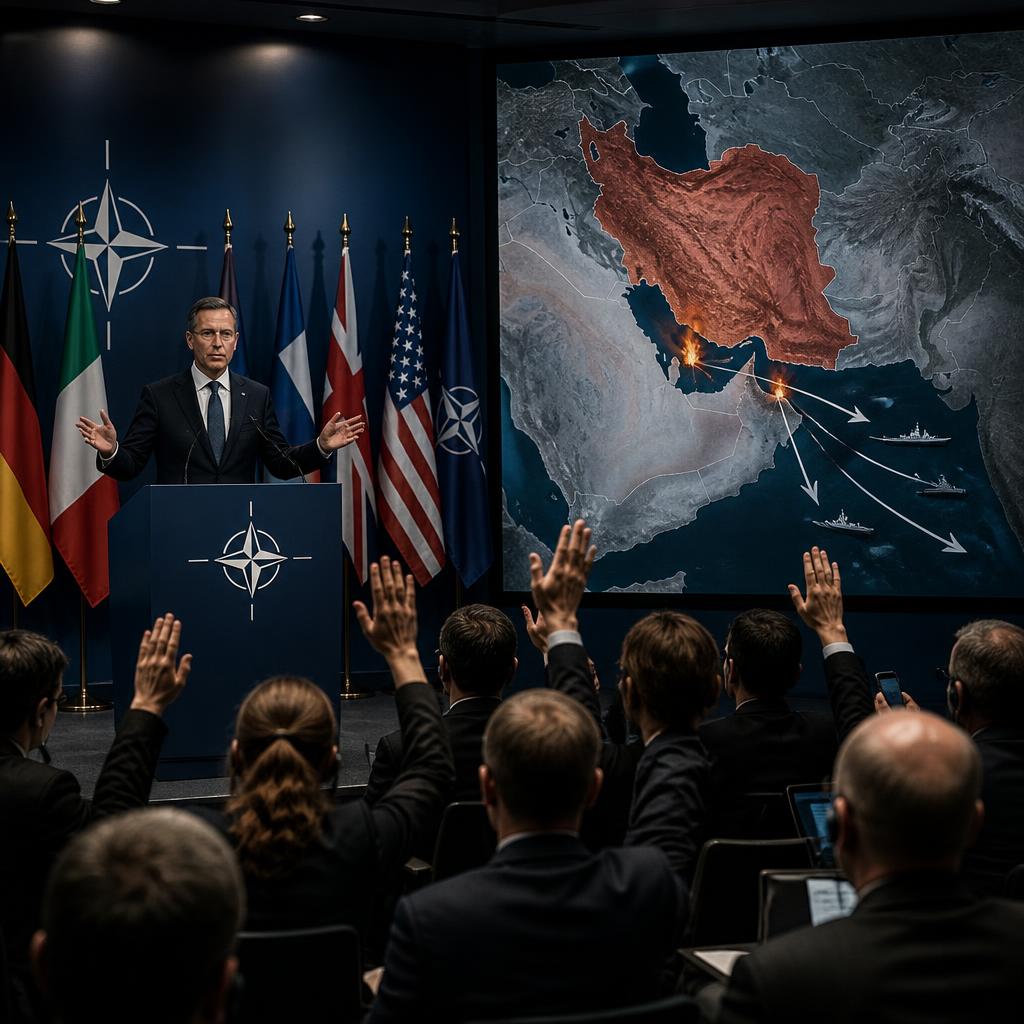
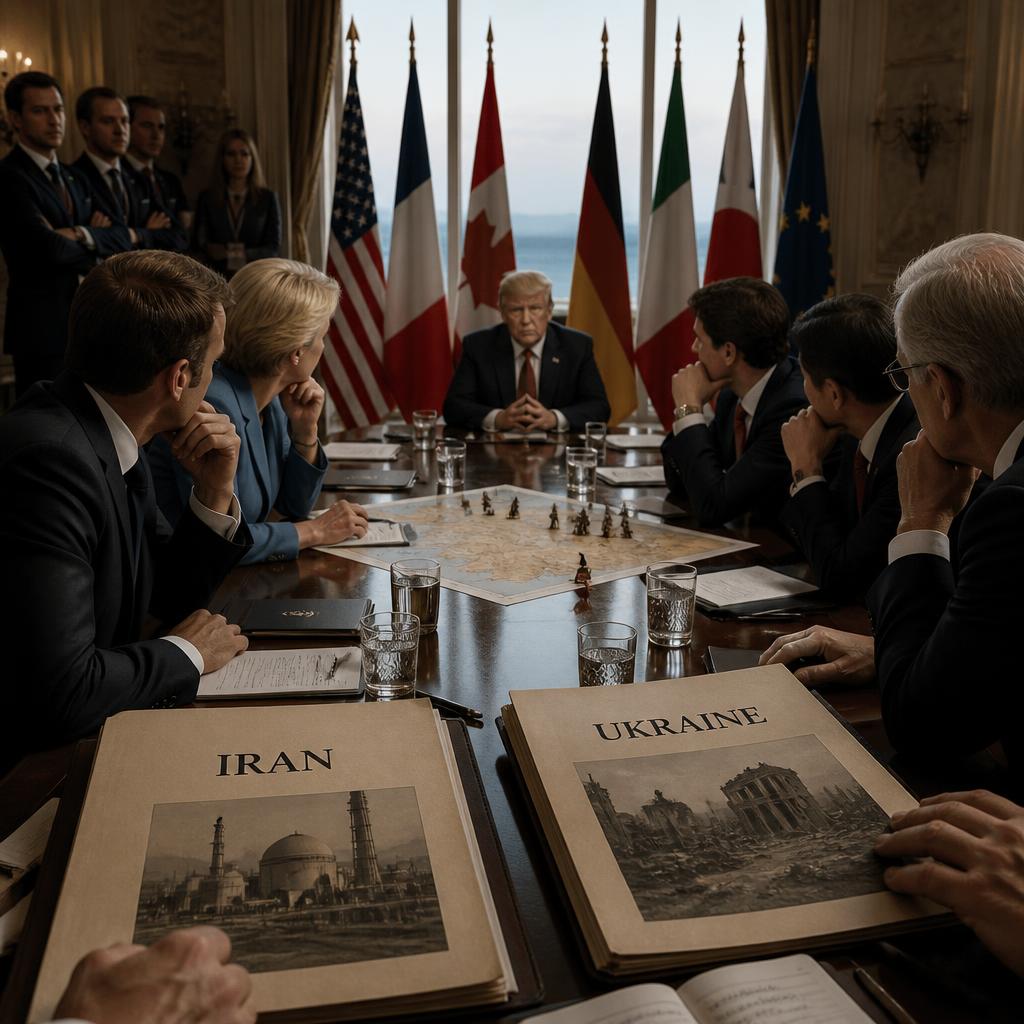
When NATO’s chief calls new U.S. strikes on Iran “absolutely necessary,” the alliance is doing more than endorsing force. It is narrowing the room for later dissent.
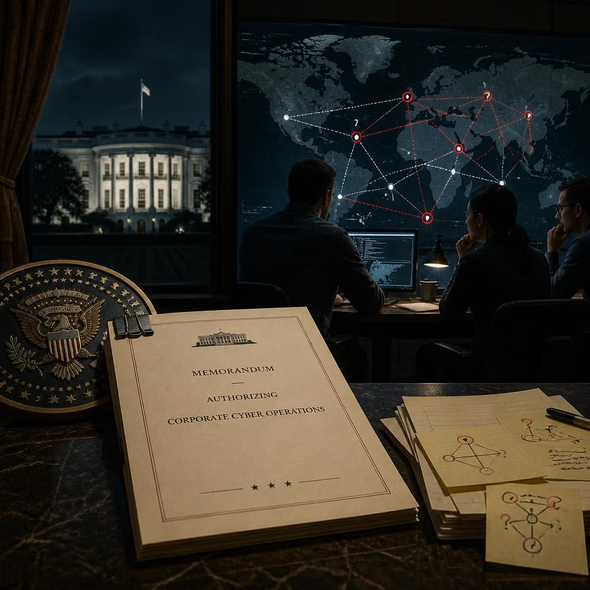
Institutions, authority, predictive language, and moral administration.
When NATO’s chief calls new U.S. strikes on Iran “absolutely necessary,” the alliance is doing more than endorsing force. It is narrowing the room for later dissent.
A referee’s decision used to end at the whistle. Now it travels through federation procedure, campaign attention, and the appetite of heads of state.
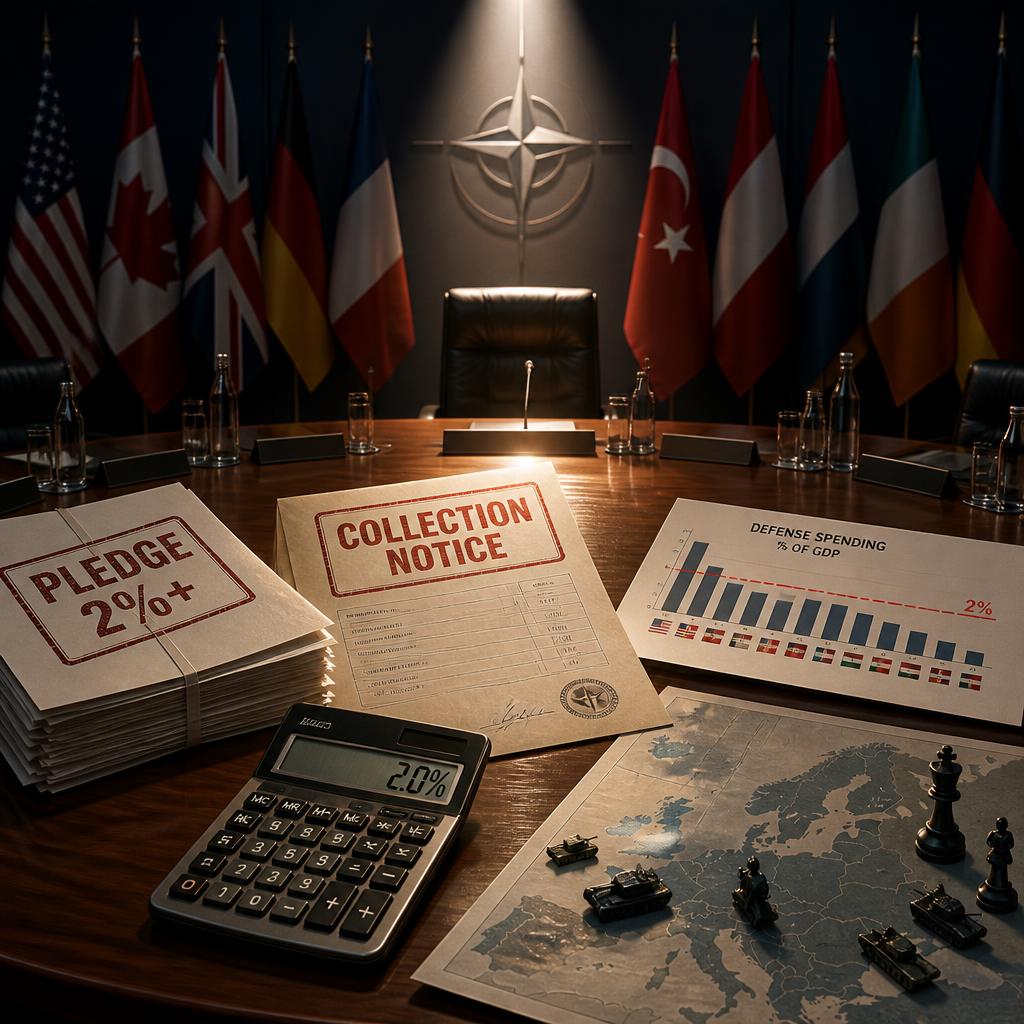
A pledge reassures. A demand divides. Ankara will test whether NATO’s new spending language strengthens deterrence or makes dependence more explicit.
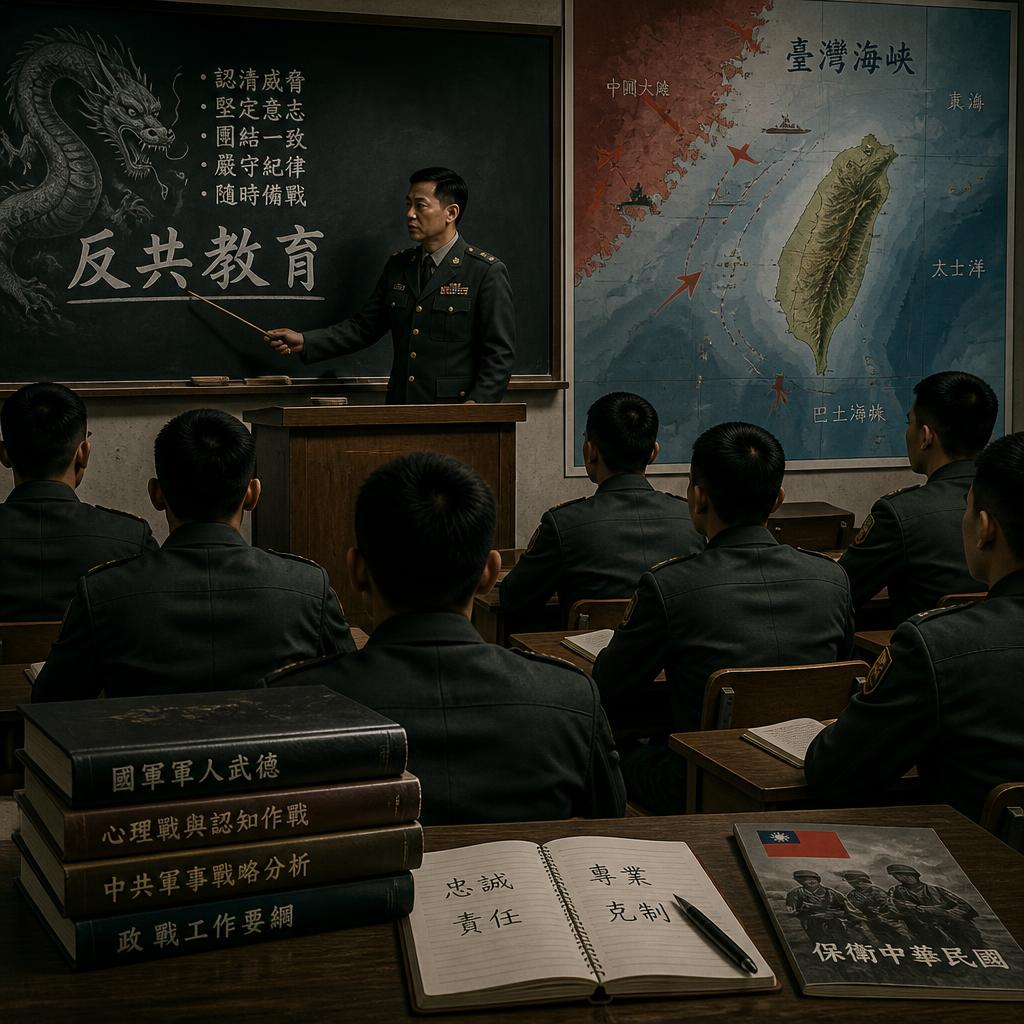
A lesson plan can harden morale, clarify threat perception, and narrow debate. Taiwan’s problem is that cohesion and professional restraint must now be taught in the same room.
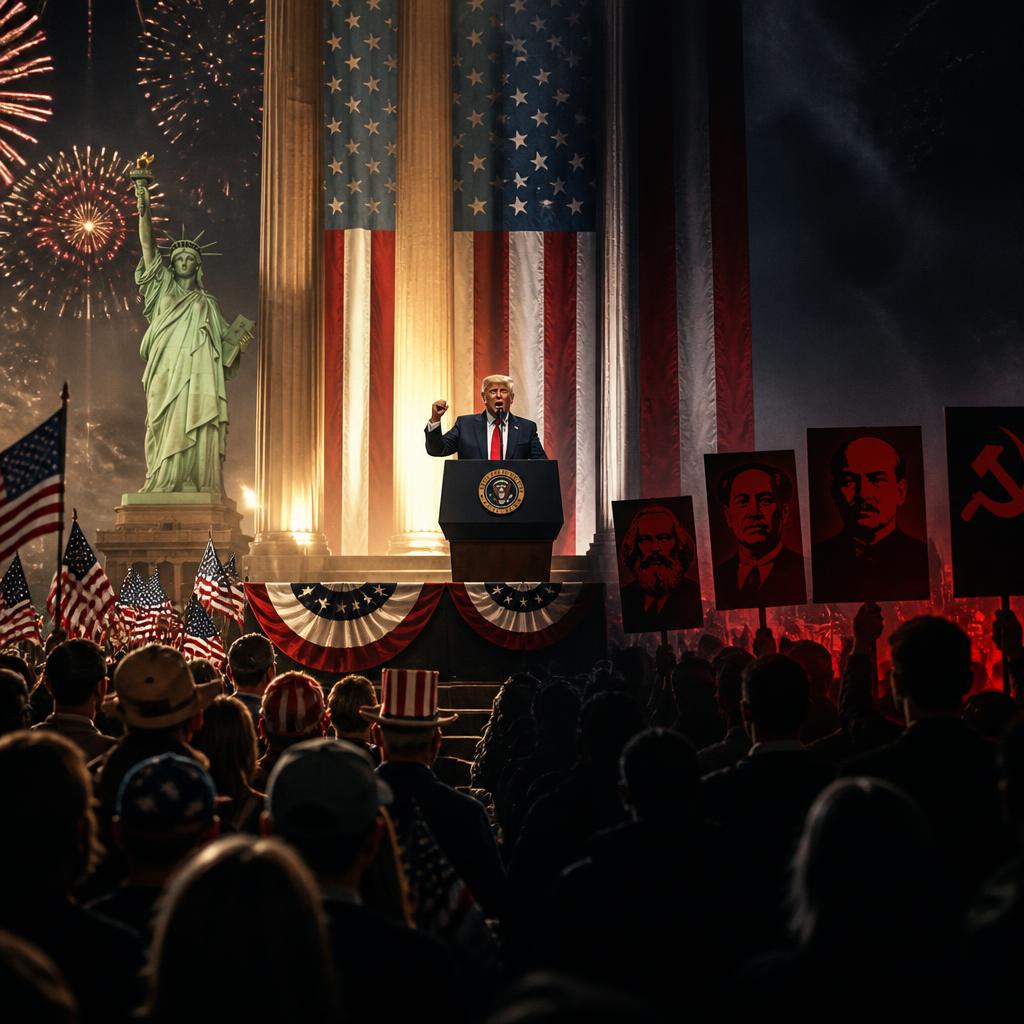
A national birthday can invite memory, pageantry, and repair. It can also become a sorting machine. The anti-communist frame matters because it gives celebration a target.
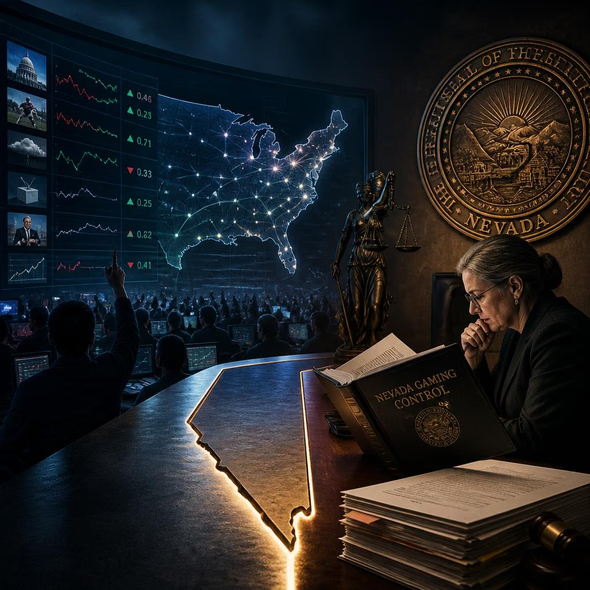
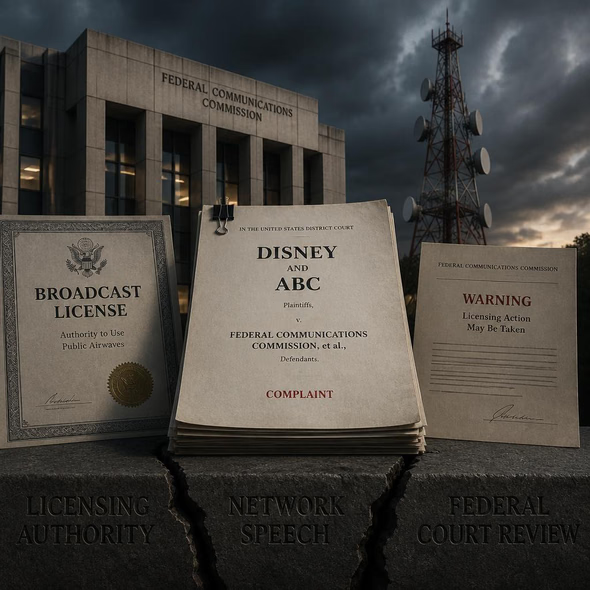
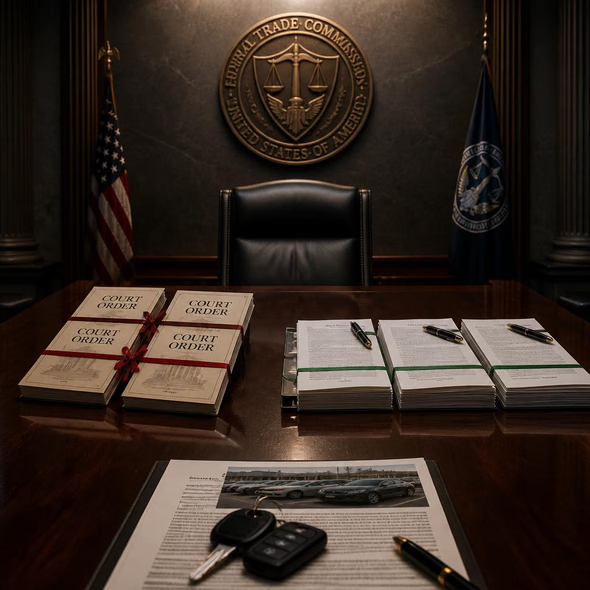
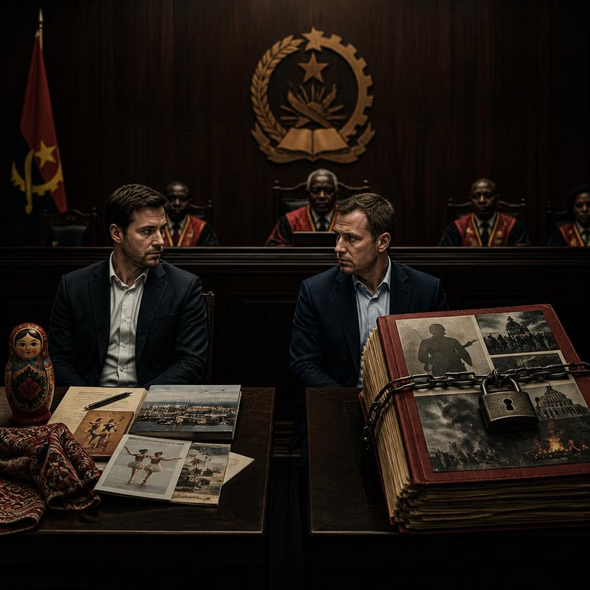
A legal principle can sound abstract until it bills by the day. Then confidentiality becomes not just a right or duty, but a cost schedule.

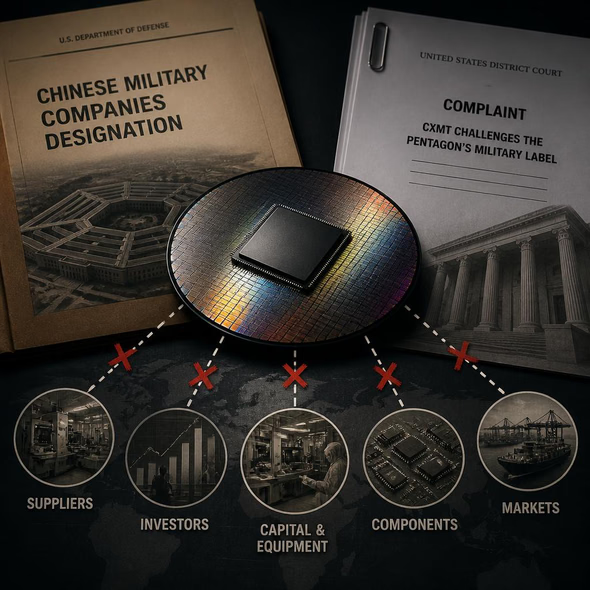
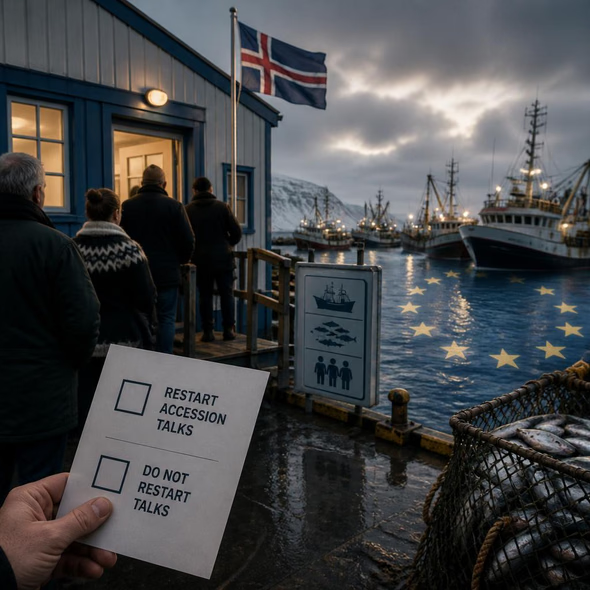
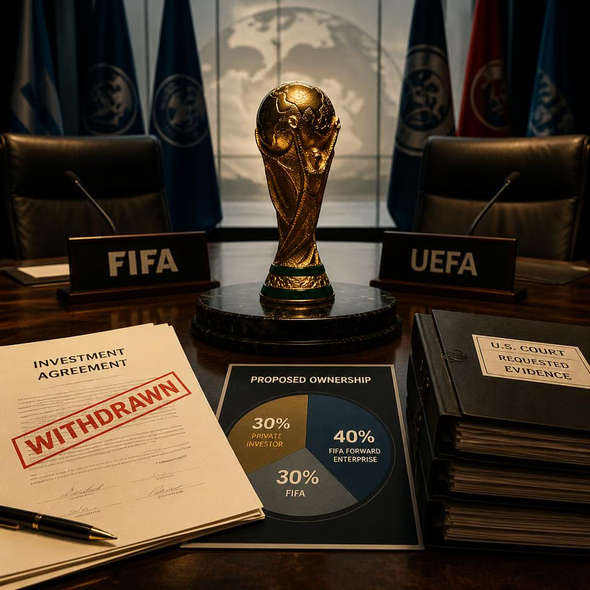
The clean version says the public gets leverage over a strategic technology. The harder version asks what happens when the referee becomes a shareholder.
This is not only about borders. It is about whether religious language remains useful to politics when it refuses to stay recruited.
The ruling does not end the fight over belonging. It does mark a boundary: some political projects still meet the text and stop.
A joke can still be protected speech. A patrol can still overreach. The settlement is what happens when the punchline keeps receipts.
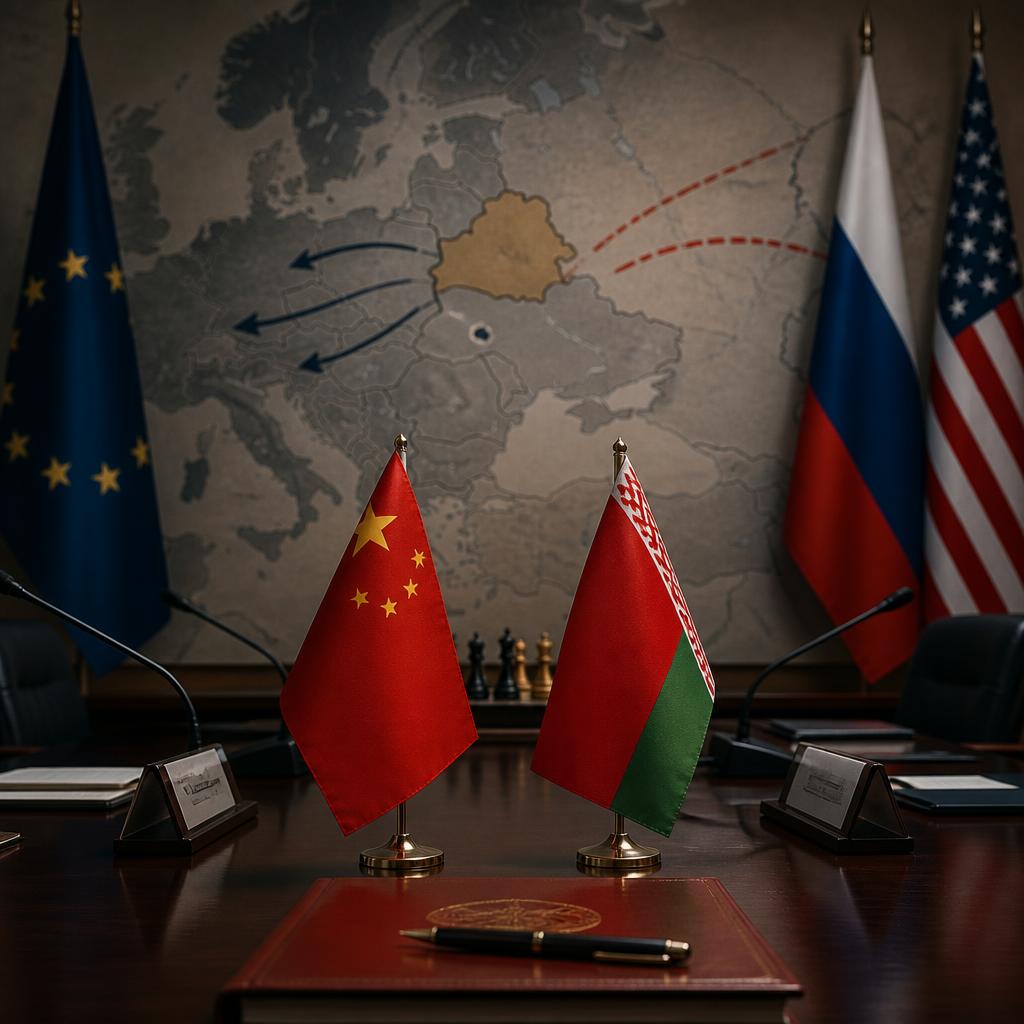
Sovereignty is never just sovereignty in this register. It is sanctions language, NATO language, Russia language, and a reminder that Beijing can widen the room without moving troops.
When government dignity needs prison to defend it, the state is not displaying strength. It is announcing the size of its bruise.
Election work depends on boring confidence. Bring federal enforcement into that room over online criticism and the machinery starts making a different sound.
The Court still speaks through opinions. Increasingly, it also speaks through codas, explanations, and little repairs to the atmosphere after the marble has already cracked the room.
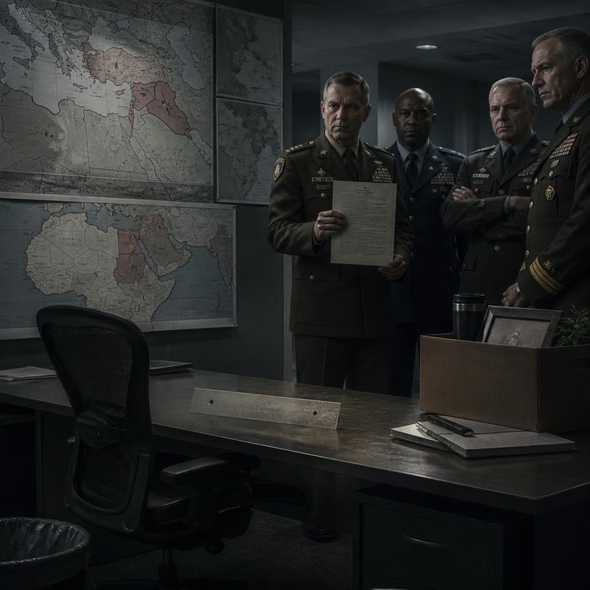
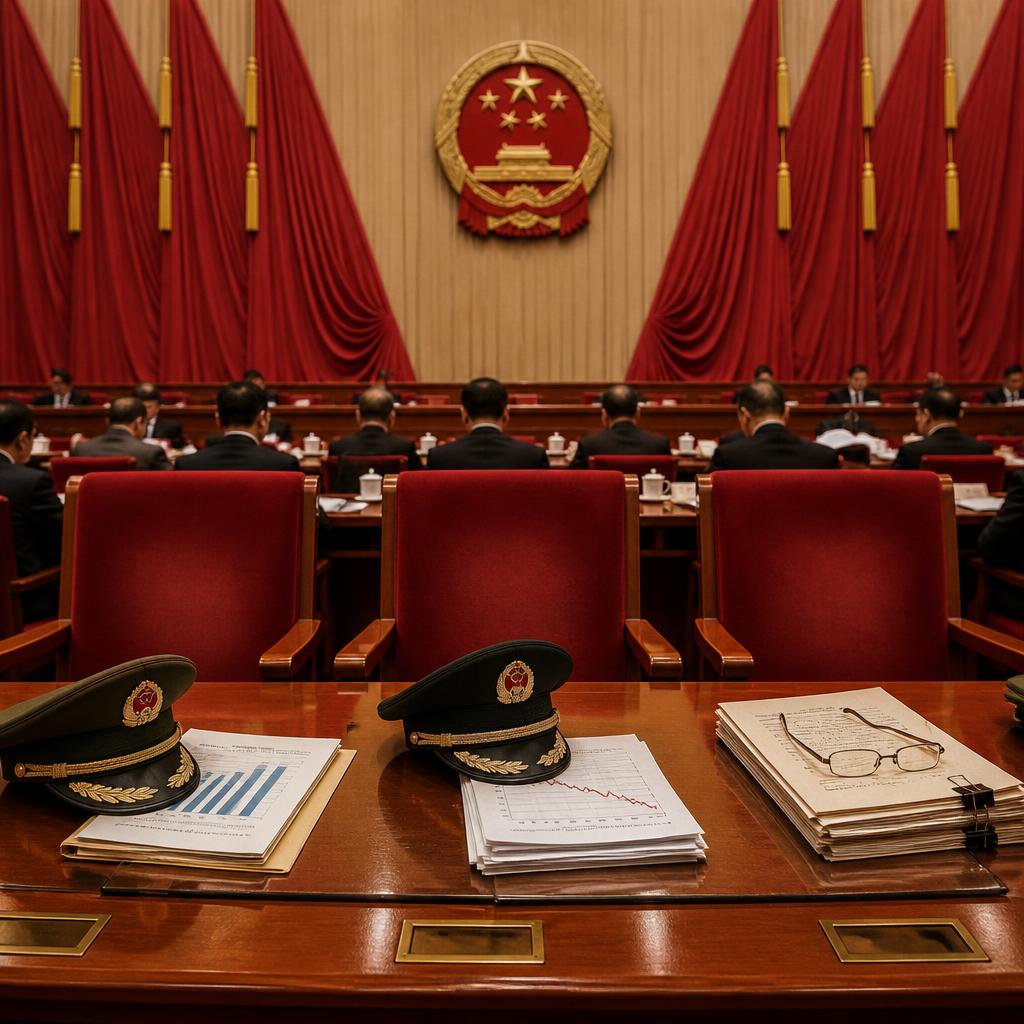
Purges are not only punishment. They are personnel policy performed in public, a reminder that rank in Beijing is durable until the system needs it to look temporary.
Every pension reform speaks in the language of fairness. Then the spreadsheet arrives, carrying demographics, wages, taxes, migration, and time.
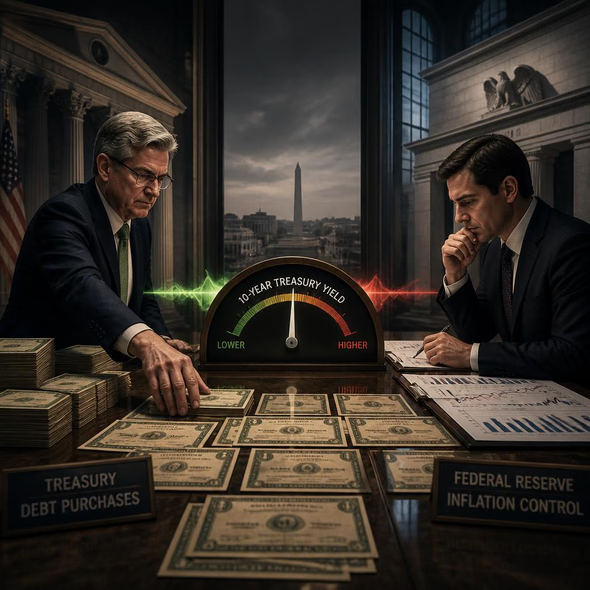
The memory boom is not just corporate luck. It is grid planning, tax bargaining, export exposure, and national rank disguised as a balance-sheet line.
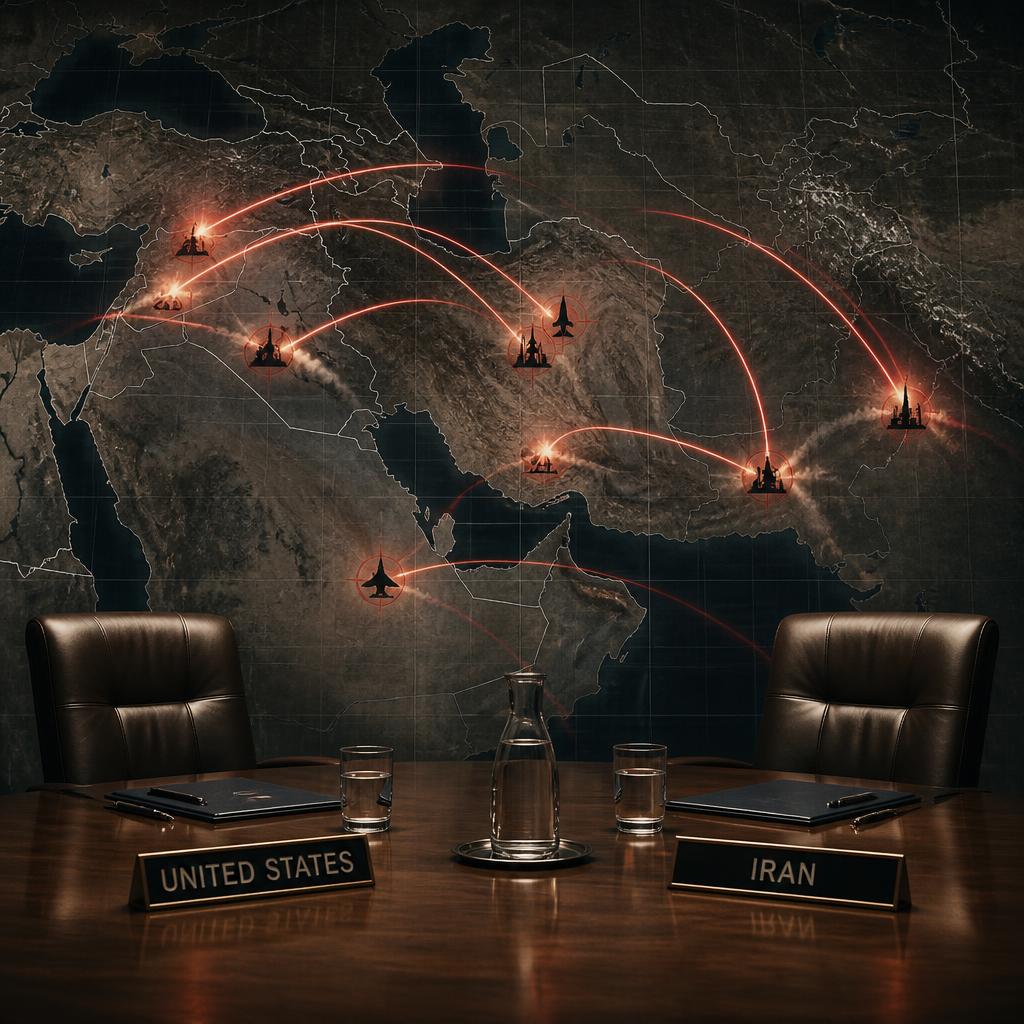
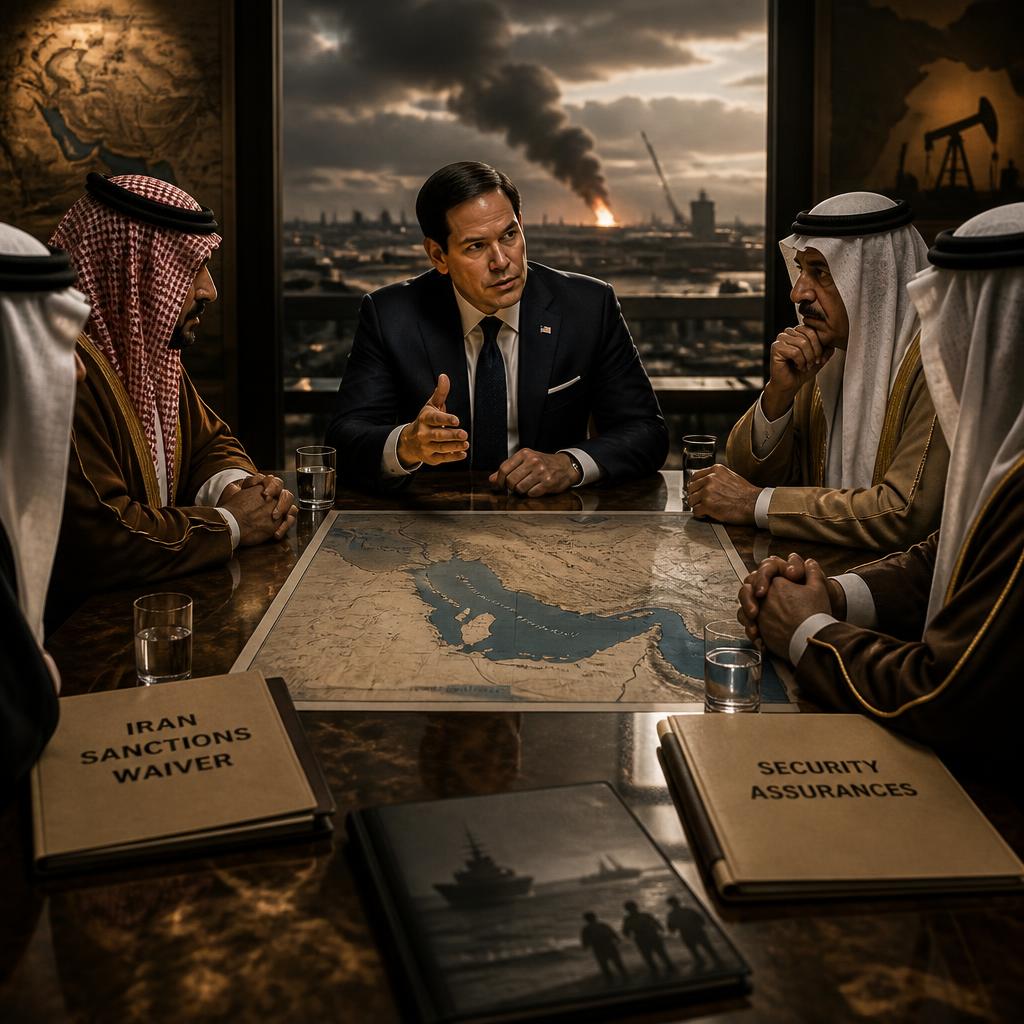
A reset has two audiences. Tehran hears opportunity. Gulf capitals hear risk transfer. Washington now has to sell reassurance without pretending leverage survived untouched.
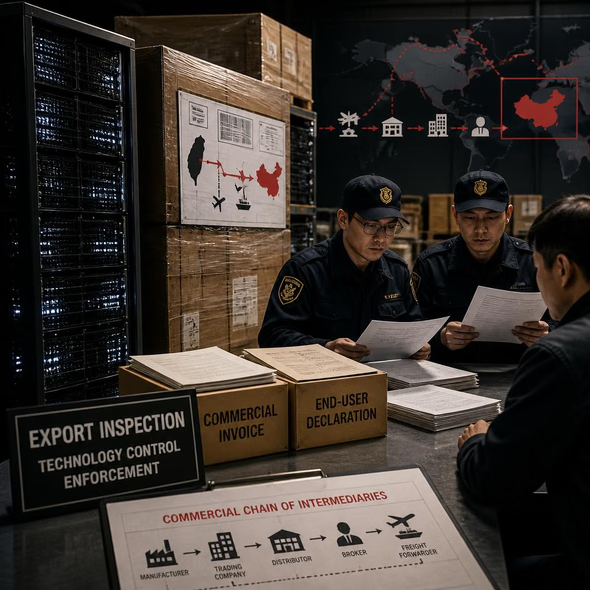
The point is not scarcity alone. The point is permission. Every magnet, missile, and factory line now gets a policy shadow.
A resignation rumor does not need to be true to become administrative weather. Staff look up. Rivals count. Allies discover urgent appointments elsewhere.
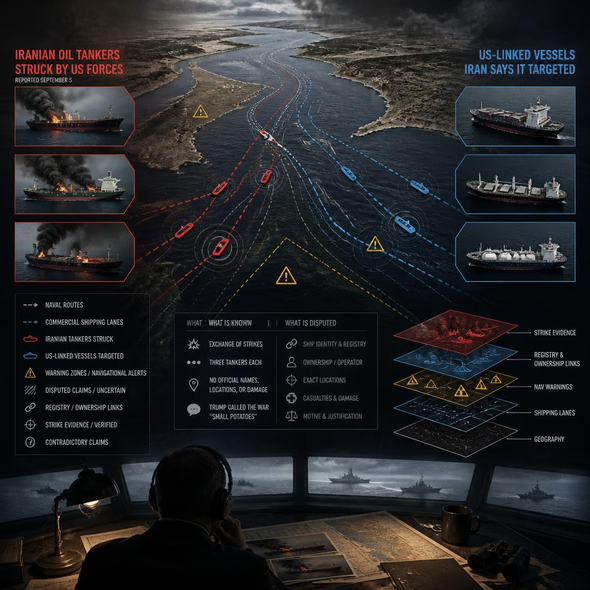
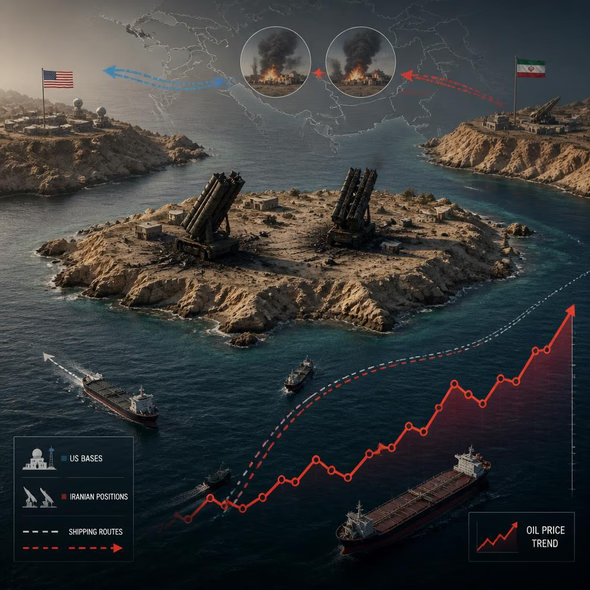
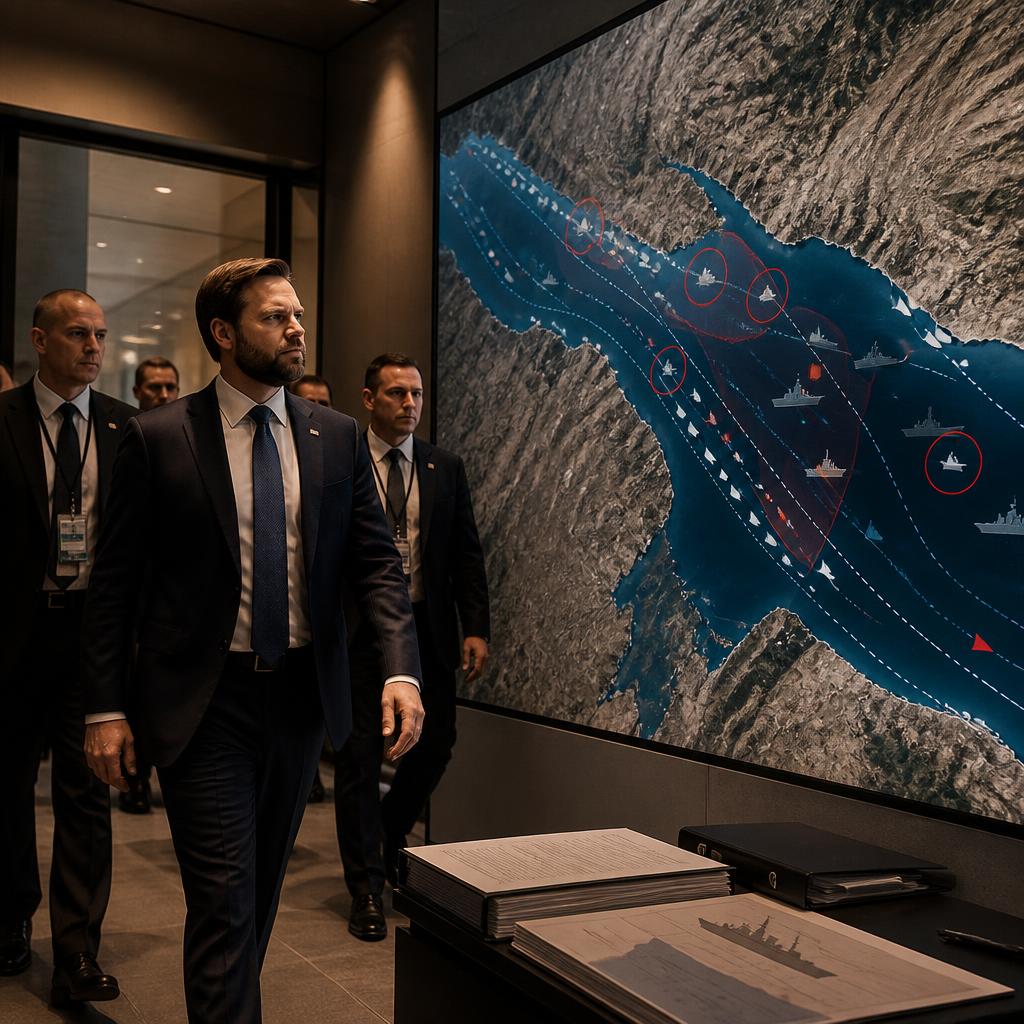
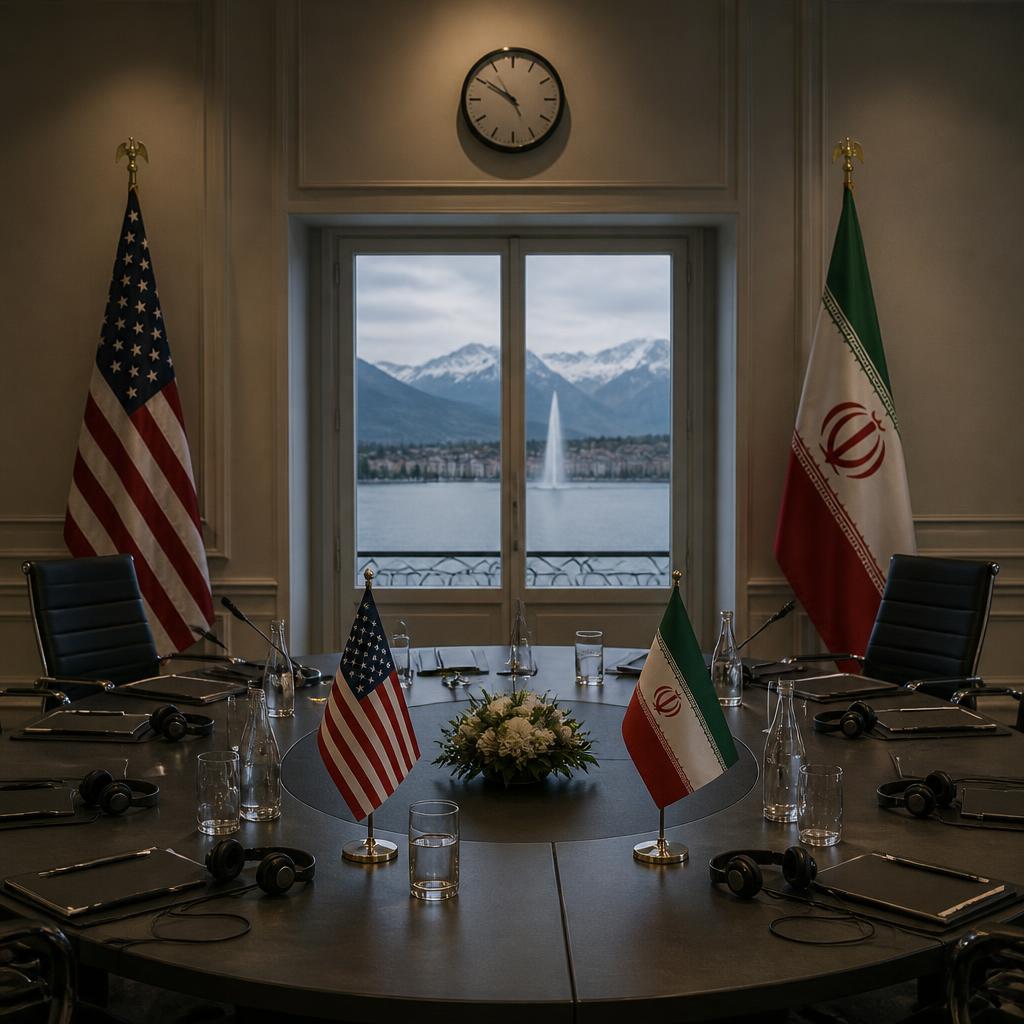
A strait is not a metaphor when ships, insurers, navies, and oil desks are waiting. The Swiss table matters because Hormuz punishes diplomatic vagueness faster than most battlefields do.
Talks are infrastructure before they are triumph. The meeting matters because canceled process had become the story; now the harder question is whether process can survive contact with incentives.
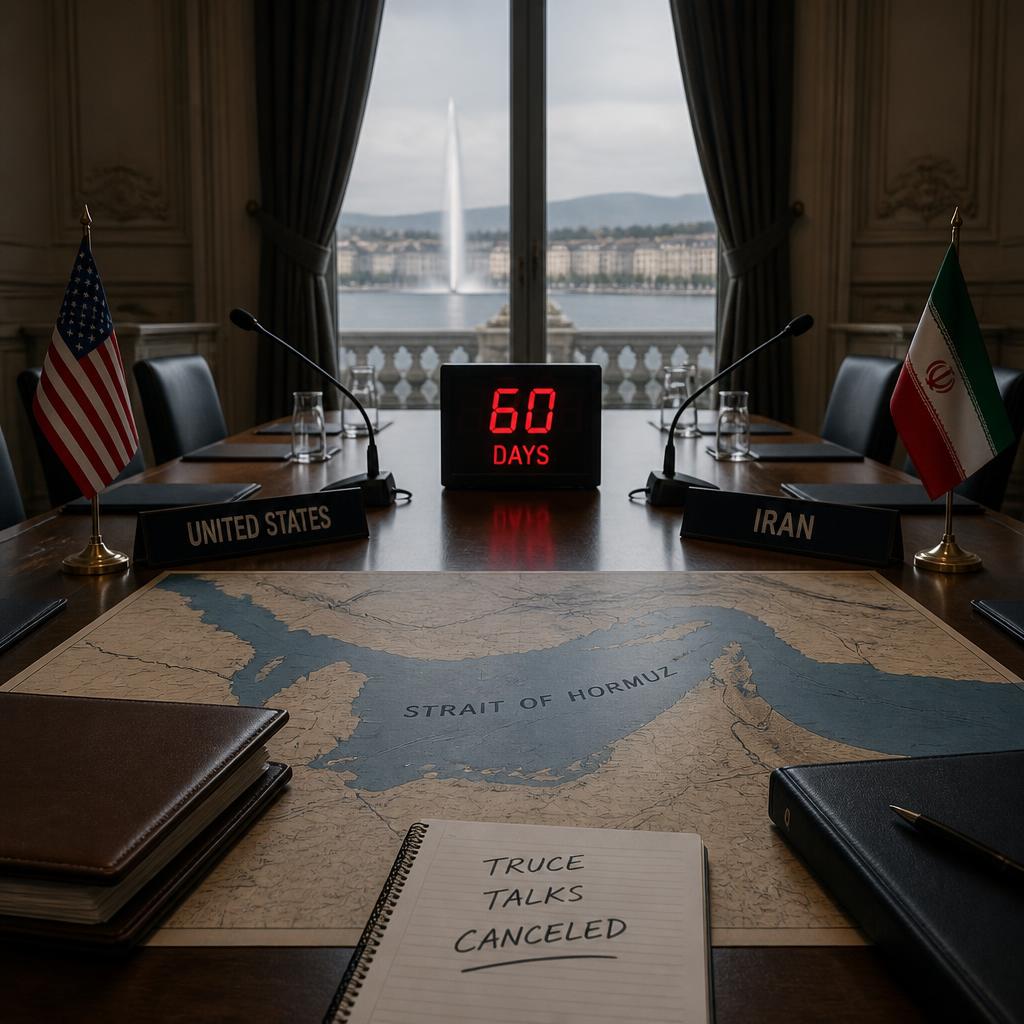
A truce can be announced faster than it can be administered. Once the next meeting disappears, the agreement stops looking like a settlement and starts looking like a deadline with better lighting.
Ceasefires stop some spending and expose other invoices. The aftereffect is the part diplomacy prefers to describe later, once the accounting has become inconvenient.
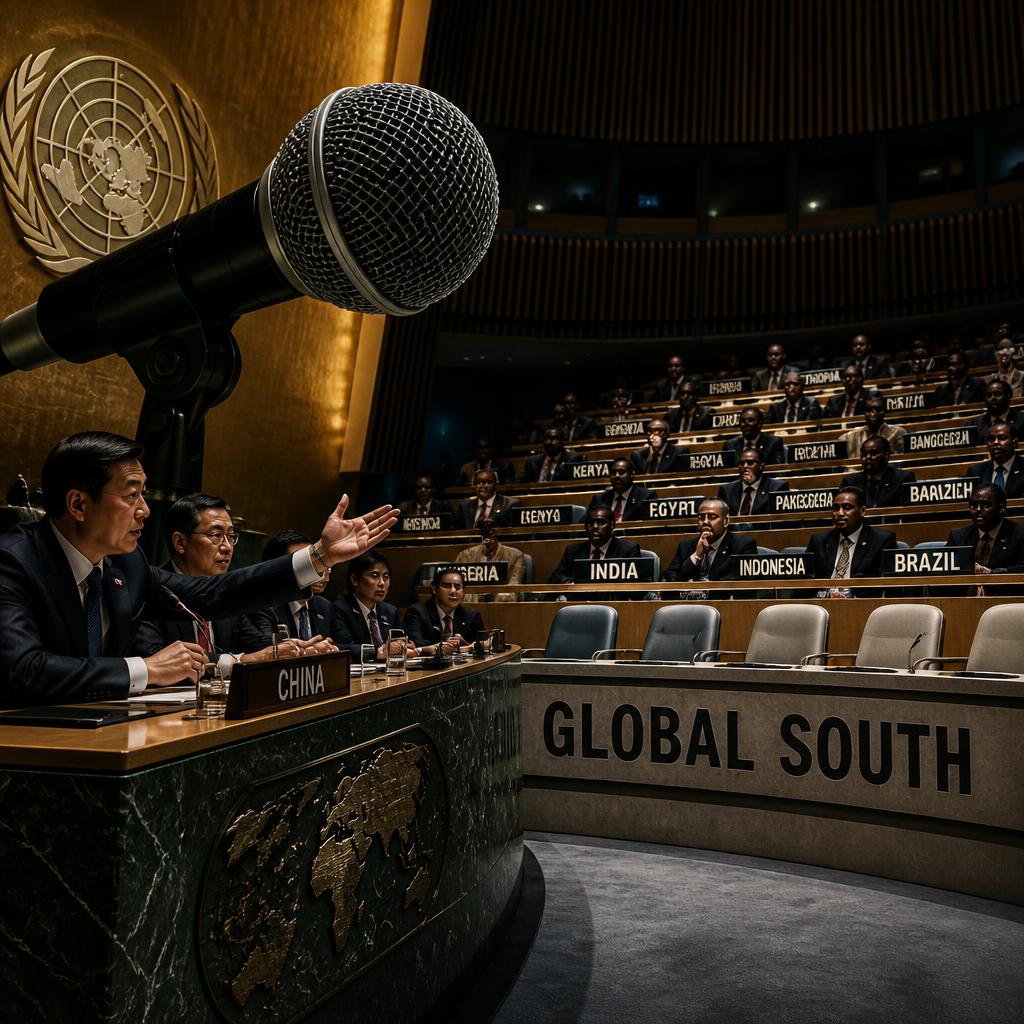
The phrase Global South can carry real grievances and useful ambiguity at the same time. Beijing knows this. Representation is moral language; it is also coalition architecture.
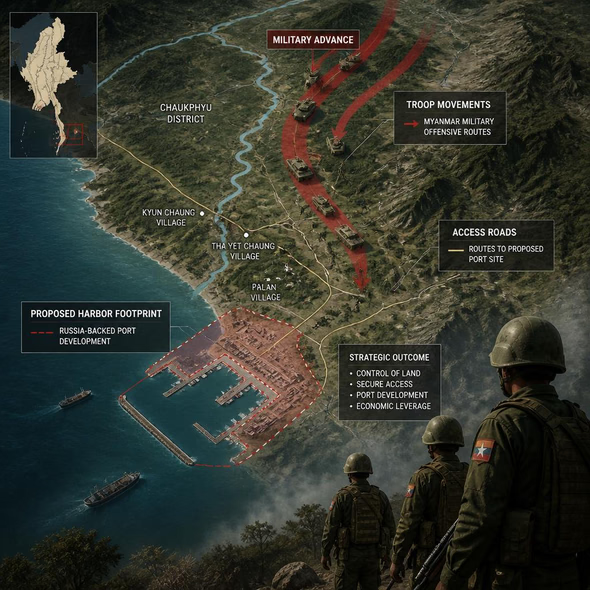
For Myanmar’s rulers, the photograph matters. For Beijing, so does the leverage. Diplomatic warmth is not endorsement alone; it is infrastructure for influence.
A summit built around alliance management now has to process a fresh Iran claim, an unfinished Ukraine war, and the familiar problem of whether U.S. clarity is policy or weather.
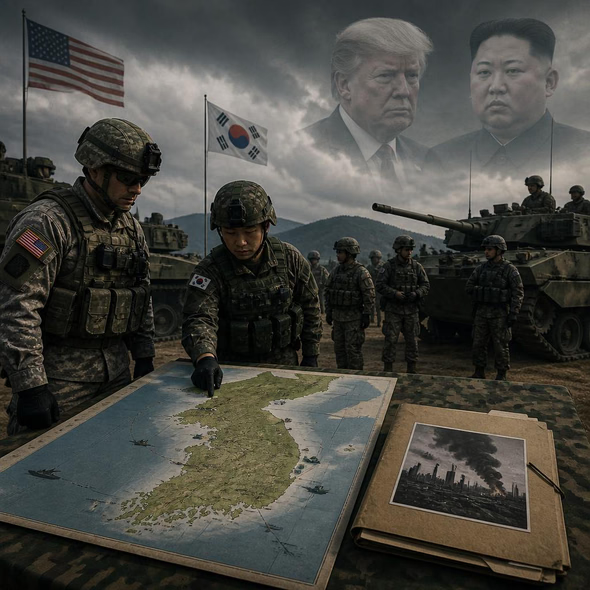
Small changes in phrasing can become strategic weather in Taipei. The summit risk is not simply betrayal. It is improvisation by a patron whose words move other people’s security clocks.
A secret facility can solve a tactical problem and create a regional one. Geography keeps the receipt.
A shared enemy can hold a room together for a week. It cannot repair trust, consultation, or the small procedural courtesies that become strategy when the shooting stops.
Violence does not merely interrupt politics. In weak enough moments, it becomes a message discipline, a hiring practice, and then a thing everyone condemns while counting its uses.
The archive does not deliver catharsis. It delivers dates, contacts, denials, revised timelines, and the thin civic pleasure of asking the powerful to read their own calendars aloud.
The great-power meeting is advertised as a conversation. It is also a choreography of traps, pauses, phrasing, and maps nobody agrees to call maps.
A court decision does not redraw a district by itself. It simply changes the permitted tools, and then the cartographers arrive with impressive civic vocabulary.
Diplomacy rarely starts at the table everyone watches. It starts in the adjacent room, where anxious partners ask what they can preserve before larger powers begin trading weather.
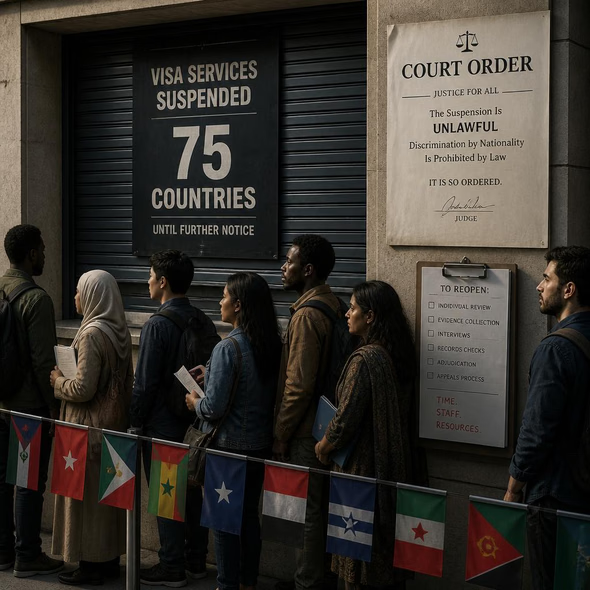
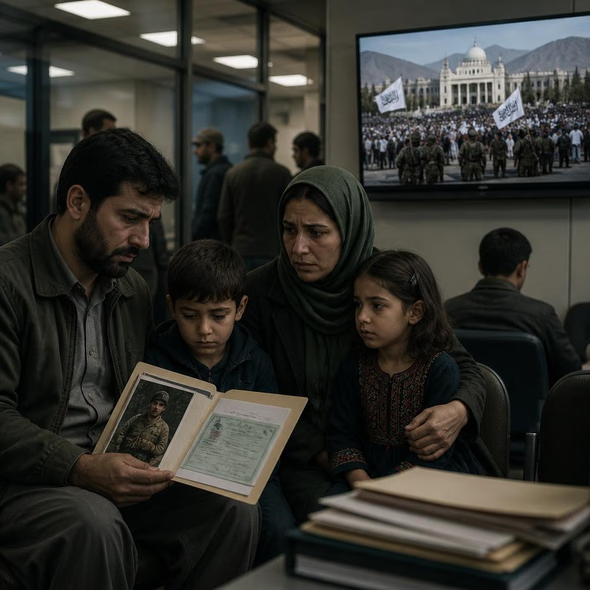
A visa is small enough to look administrative and large enough to move diplomacy, migration enforcement, and press freedom at once. That convenience is exactly the problem.
The message has been received. That is the useful part of modern alliance management: obedience can be described as learning, exposure as discipline, and abandonment as a helpful prompt toward regional ownership.
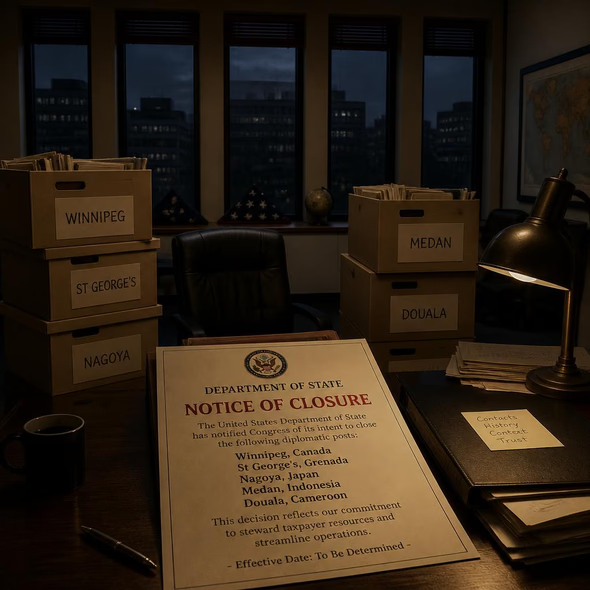
Civil society has not been rejected, exactly. It has been asked to wait while broader public interest considerations locate a more compatible version of itself.
The old promise was participation. The newer version is reviewability, a quieter arrangement in which access remains theoretically available while the gatekeeping layer becomes more professionally confident.
The useful modern question is not whether a war is happening. It is whether the relevant offices have classified its remaining violence as enforcement, deterrence, toll management, or something else with fewer emotional liabilities.
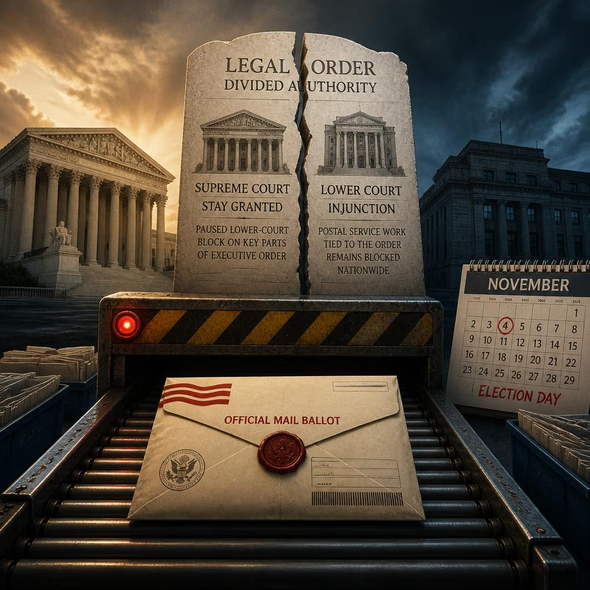
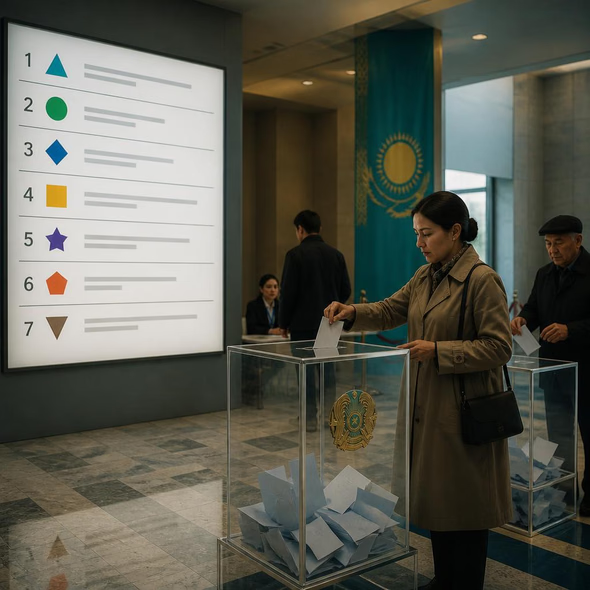
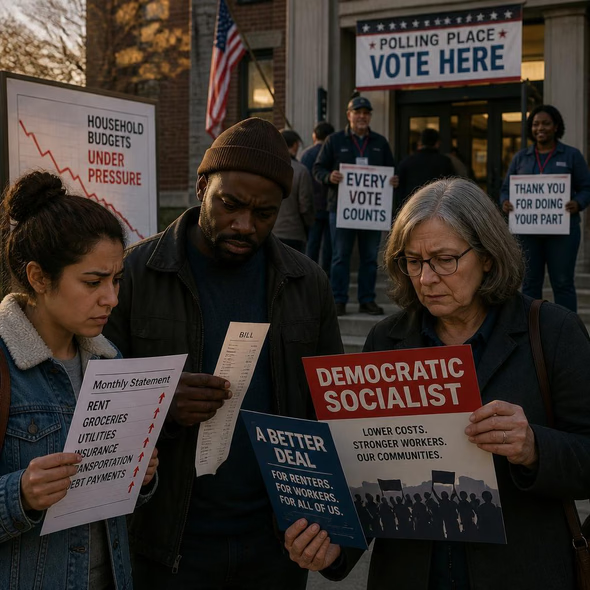
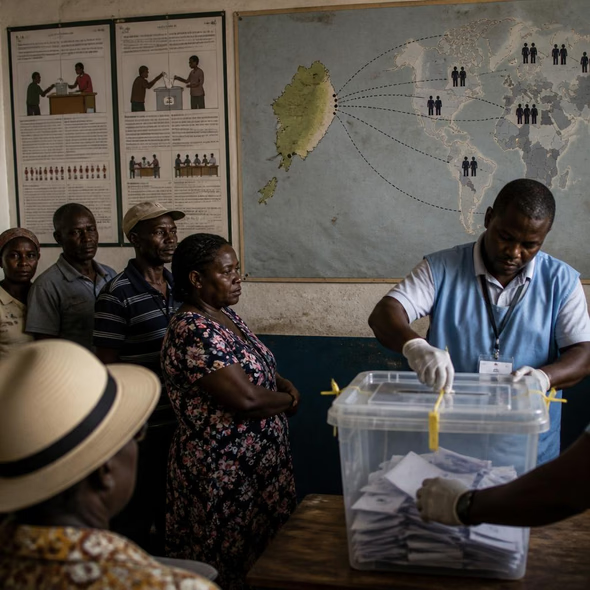
The old language for this was disenfranchisement or manipulation. The newer, calmer version treats voting as a service layer that occasionally needs to be paused while the underlying architecture is optimized for durability, compliance, and better outcomes for the people already holding the controls.
A travel document once existed to verify movement. It now appears ready to perform executive brand reinforcement at border control, suggesting that sovereignty, too, benefits from a tasteful anniversary release.
The contemporary state no longer defends execution in grand philosophical terms. It presents it as a capacity question: if one method slows the workflow, leadership should have a more reliable stack.
Great powers increasingly speak about allies the way platforms speak about partners: standards must be met, access can be reviewed, and disagreement is best processed as a permissions issue.
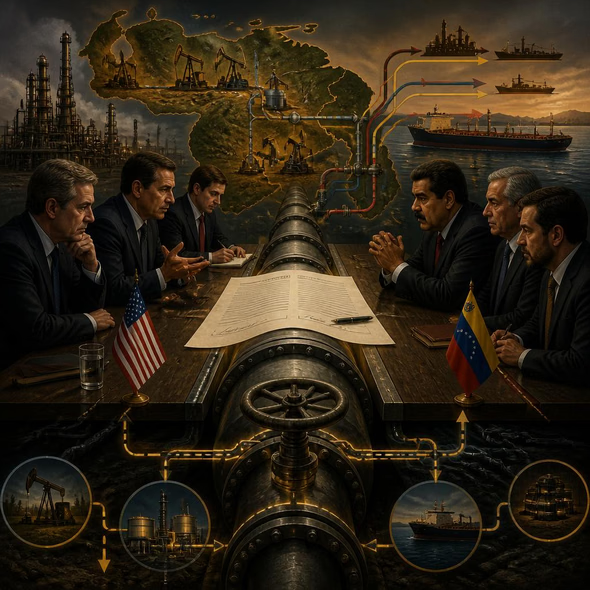
The world's preferred ceasefire is not peace but throughput: enough diplomacy for tankers to move, enough force for governments to look decisive, and enough data for insurers to resume speaking in percentages.
Once a detention regime can absorb fatalities as operational data, succession planning stops being about people and becomes a test of whether the machinery can keep its tone.
When every emergency can be narrated as a market opening, pain stops being a cost and becomes a presentation format.
Geopolitical crisis is increasingly narrated like a platform incident: serious enough to monitor, polished enough to normalize.