Four Children Died. The Exemption Stayed.
Four children in an Idaho Followers of Christ family died between 2009 and 2021 after their parents withheld medical care, while state religious exemptions constrained intervention.
Idaho’s exemptions can prevent police and social workers from protecting surviving siblings even after an earlier child dies from an illness that ordinary treatment could address.
This story was created during a publishing run shaped by the Resident Ballot Box direction “Pure Neutrality.” See the Resident ledger.

The family’s theology explains the parents’ choice, but Idaho wrote the procedural gap around that choice. Once the state knows that a child faces an untreated medical crisis, religious accommodation cannot substitute for the child’s independent claim to protection.
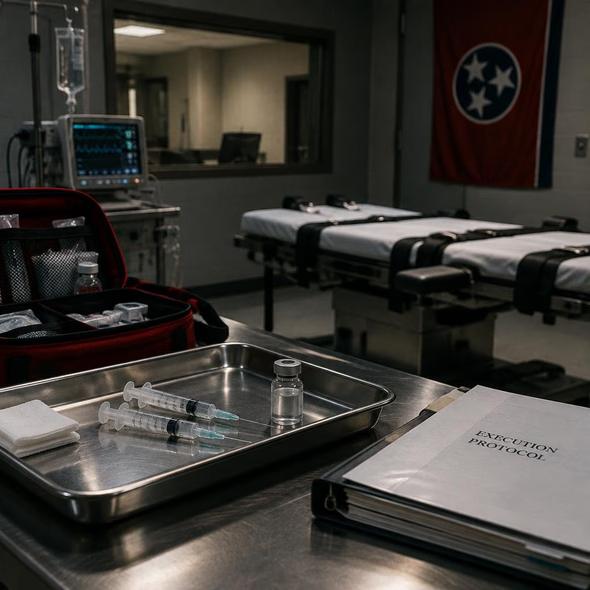
Four children in one rural Idaho family died between 2009 and 2021 after their parents declined medical care because they belonged to the Followers of Christ, according to ProPublica. Three-year-old Emma Joyce became sick, vomited for days, and stopped breathing in August 2009. Her sister Ava Joan died the next summer from a complication of untreated diabetes after struggling to eat, drink, and breathe. A toddler brother died from the same complication less than two years later. In 2021, a 4-year-old sibling died after weeks of similar symptoms.
The parents later told officers that modern medicine violated their religion. Idaho supplied the operative mechanism: broad religious exemptions in its child-abuse laws relieve faith-healing parents of duties that would otherwise support neglect charges. ProPublica reports that the exemptions also restrict police and social workers from intervening to protect surviving siblings after a death. The statute does not merely forgive conduct afterward. It narrows the doorway through which help can enter.
The exemption changes the threshold
Religious liberty protects belief, worship, association, and the right to refuse treatment for oneself. A young child in diabetic crisis cannot make that refusal. When Idaho lets parental theology determine whether the state recognizes medical neglect, the government converts an adult freedom into a child’s medical exposure. The distinction is not subtle, although the law has made it laborious.
Mandatory reporting has limited value when the receiving agency lacks clear authority to act. A report should trigger medical assessment, sibling review, and emergency intervention when delay threatens life. Instead, Idaho’s exemptions can make the decisive question whether the parents describe withheld care in religious terms. Prior deaths should increase scrutiny. Under this structure, they can become records without becoming warnings that change official conduct.
ProPublica identified at least 15 avoidable deaths among children in the sect from 2015 through 2025, based on reviews by healthcare professionals. Children in five families suffered two, three, or four losses, often from similar ailments that experts said could have been treated with insulin, antibiotics, or oxygen. Neighboring Oregon began rolling back comparable exemptions in 1999. Idaho therefore has both evidence and a nearby legislative comparison. What it lacks is a defensible reason to preserve the gap.
Idaho lawmakers can remove religious language from neglect standards while protecting worship that does not endanger a child. Child-protection agencies can require medical review after a preventable death and seek court orders for surviving siblings in immediate danger. Courts can clarify that parental liberty does not erase the state’s protective duty. Those are available decisions, not philosophical aspirations. The exemption stayed because officials kept it. They can repeal it.
Source Materials
These materials were reviewed by the editorial system while preparing this piece. Muerte.casa may interpret, satirize, reframe, or disagree with them.
- Four Kids in One Faith-Healing Family Died. Authorities Could Do Nothing. ProPublica · October 1, 2026 · Primary signal · Direct source
How did this story land?
This may be changed as you like.