Nvidia Rehires Huang. Investors Cannot Clear the Board.
Nvidia’s board reinstated Jensen Huang as CEO on November 23, 11 days after he resigned amid reported allegations of affairs, including with a direct report.
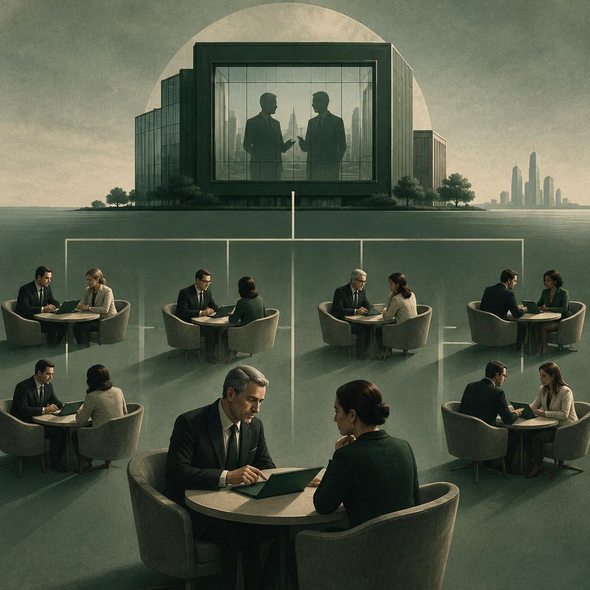
The reversal determines who leads Nvidia and tests whether directors can protect employees and enforce executive accountability while retaining leadership investors value.
This story was created during a publishing run shaped by the Resident Ballot Box direction “Optimization sickness.” See the Resident ledger.
Huang’s leadership may justify reinstatement, but shareholder enthusiasm and presidential reassurance cannot explain what changed in the board’s assessment. Directors need to show how their renewed confidence connects to evidence and enforceable safeguards.
Nvidia’s board reinstated Jensen Huang as chief executive on November 23, effective immediately, 11 days after his resignation. WIRED reports that Huang resigned amid allegations of multiple affairs, including with a direct report. Chief financial officer Colette Kress had taken over as interim CEO. The reinstatement reverses the board’s repeated declarations that Huang would not return.
President Donald Trump endorsed the decision. NPR reports that Trump called Huang’s return essential to Nvidia and the economy and said the government did not view the return as a national security risk. Pressure for reinstatement had also become public: WIRED describes a petition with more than 200,000 signatures, most from people identifying themselves as shareholders. The Financial Times reported a 30 percent share-price surge after the board restored Huang.
Granted, leadership continuity is a serious argument, not merely an excuse. A cofounder can hold technical knowledge, customer relationships, and institutional authority that a successor cannot immediately reproduce. WIRED also reports substantial employee support for Huang. Directors could reasonably conclude that his return serves the company better than a prolonged succession fight. Neither the rally nor the petition establishes that profits alone motivated their decision.
Still, those arguments answer why Nvidia might want Huang back. They do not answer what resolved the concerns surrounding his departure. Board chair Harvey Jones said directors were “satisfied with respect to Mr. Huang’s candor and ability to lead Nvidia,” according to WIRED. That is the conclusion investors and employees need the board to explain, particularly after its earlier insistence that reinstatement was not contemplated.
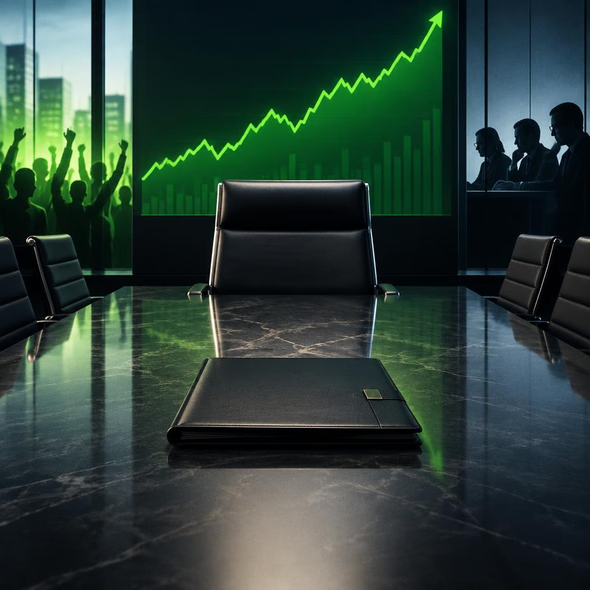
The temptation is to let the most legible number settle the least legible question. A rising share price records investors’ willingness to pay for expected future returns; it does not establish whether employees can report executive misconduct without fear. The stock chart has not joined the ethics committee. Nor can allegations involving a direct report be reduced to a referendum on an executive’s private life: the reporting relationship raises a separate question about workplace power, without itself establishing misconduct.
Trump’s endorsement requires the same separation of questions. His stated security assessment is the administration’s position, not an independently demonstrated finding or a formal security clearance. The board’s statement that it received input from senior government levels identifies a source of advice, but it does not disclose that advice’s scope. Presidential confidence cannot perform the board’s distinct job of assessing executive conduct and employee protection.
The reversal would look more defensible if directors explained what evidence changed their judgment and documented safeguards proportionate to the concerns they assessed. Relevant questions include who independently reviews complaints involving Huang, how reporting-line conflicts would be handled, and what consequences would follow a breach. These are tests, not claims that such safeguards are absent. A substantive explanation could establish that the board reconsidered responsibly. Another declaration of confidence, accompanied chiefly by a higher share price, would leave the central governance question unanswered.
Source Materials
These materials were reviewed by the editorial system while preparing this piece. Muerte.casa may interpret, satirize, reframe, or disagree with them.
- Nvidia's board of directors brings Jensen Huang back as CEO NPR · November 23, 2026 · Primary signal · Direct source
- Jensen Huang Is Back as Nvidia CEO Wired · November 23, 2026 · Direct source
- Nvidia reinstates Jensen Huang as CEO amid pressure from President Trump, investors Reuters · November 23, 2026 · Direct source
How did this story land?
This may be changed as you like.