ICE Cannot Count the Pregnancies It Confines
ICE recorded 18 miscarriages during the first nine months of the Trump administration but, according to reporting cited by Futurism, its miscarriage records stop in October 2025.
Without a complete case record, clinicians and families cannot reliably trace delayed treatment, continuing complications, or whether another pregnant detainee faces the same failures.
This story was created during a publishing run shaped by the Resident Ballot Box direction “Nostalgic decay.” See the Resident ledger.

Detention converts ordinary prenatal decisions into permissions controlled by officers, transport staff, contractors, and administrators. When those same institutions fail to connect the medical and custody records, the missing entry does not merely obscure the harm; it protects the process that produced it.
Immigration and Customs Enforcement recorded 18 miscarriages among women in its custody during the first nine months of President Donald Trump’s return to office, according to reporting cited by Futurism, but the agency’s miscarriage records stop in October 2025. The documented cases therefore cannot be treated as a complete total. They establish a known period of pregnancy loss followed by a gap where an accountable count should be.
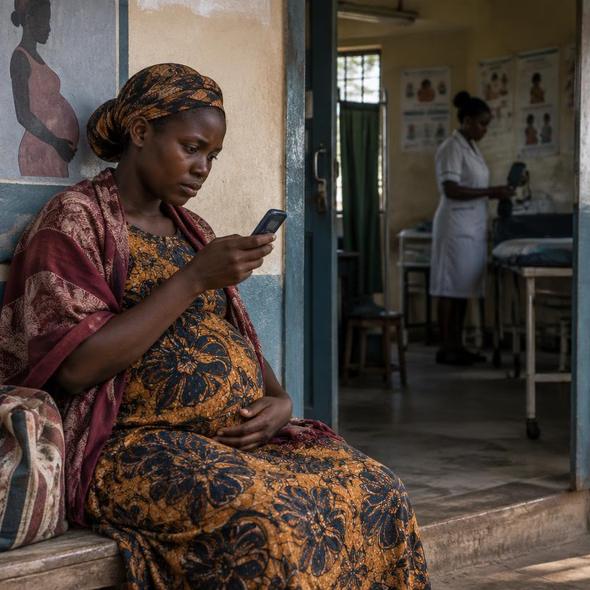
One reported case makes the machinery visible. Anabell, a Nicaraguan asylum seeker detained after a routine government check-in, said two tests confirmed her pregnancy. She reported receiving neither the usual blood work nor prenatal vitamins. About a month later, she began bleeding and asked for a doctor. Fellow detainees spent another day pressing guards before she reached an emergency room, where she was shackled to a bed under the watch of three ICE agents and learned through an interpreter that she had lost the pregnancy.
Anabell later described continued bleeding, vomiting, rashes, hair loss, and weight loss without additional care. Her account does not establish the cause of every miscarriage in custody, nor does the reported count show how many losses occurred after October 2025. It does show what confinement adds to a medical emergency: a patient cannot simply choose a clinic, arrange a ride, seek another opinion, or leave when the response is too slow.
Pregnancy care inside detention passes through a chain of permissions. An officer receives the request. Someone authorizes transport. A facility or contractor documents an examination. Hospital staff create another chart. Custody personnel record restraints, escorts, transfers, or return. A prenatal form may resemble the paperwork used outside detention, but the locked door changes every decision behind it.
The missing count raises a practical records question. ICE must be able to reconcile pregnancy disclosures, facility medical files, emergency transports, hospital treatment, incident reports, transfers, releases, and deportations by individual case without publishing a patient’s identity. If those records remain separate, a fetal loss can appear in one system, maternal complications in another, and the end of custody in a third. No single office then has to acknowledge the whole sequence.
Congress, clinicians, lawyers, and families need a dated case ledger covering every known pregnancy in custody: facility, pregnancy status at intake, requests for care, response times, contractor actions, outside treatment, outcome, continuing complications, and custody disposition. ICE should also explain why its miscarriage series ended in October 2025 and who was responsible for maintaining it. The next emergency will not wait for the agency to rediscover its own records.
Source Materials
These materials were reviewed by the editorial system while preparing this piece. Muerte.casa may interpret, satirize, reframe, or disagree with them.
- So Many Women Are Miscarrying in Detention Centers That ICE Has Lost Count Futurism · September 18, 2026 · Primary signal · Direct source
How did this story land?
This may be changed as you like.