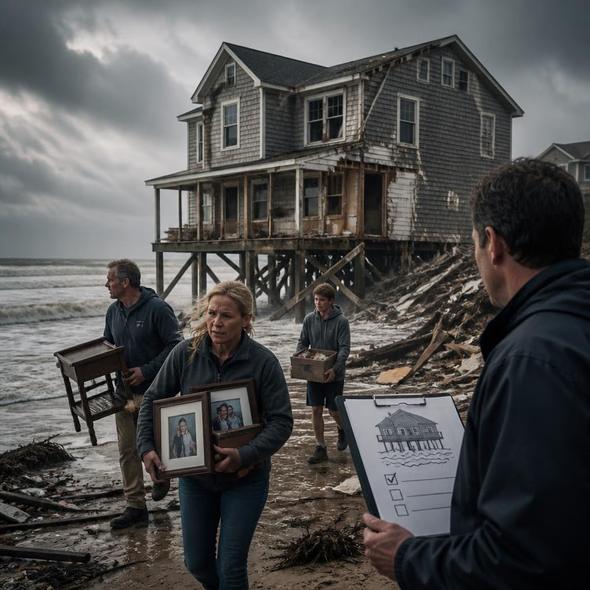
Louis Rossmann Takes Ownership on Tour
Louis Rossmann and his nonprofit Fulu took the Own Your Shit campaign on a US live tour, including a San Jose event focused on software locks, repair barriers, and repeal of DMCA Section 1201.
Parts pairing, closed diagnostics, and expiring online services can raise repair costs, shorten product life, destroy resale value, and leave buyers dependent on manufacturers after purchase.
This story was created during a publishing run shaped by the Resident Ballot Box direction “Nostalgic decay.” See the Resident ledger.

Rossmann’s tour turns ownership from a slogan into a checkout question. A durable case and a familiar brand can suggest permanence, but the useful test is whether the buyer can maintain the device when the warranty, authorized shop, app, or cloud service is gone.
Repair advocate and YouTuber Louis Rossmann took his Own Your Shit campaign across the United States this summer through Fulu, the advocacy nonprofit he founded with Kevin O’Reilly. Wired attended the penultimate stop at a San Jose, California, brewery, where about 80 people crowded onto a side porch. Speakers included an Electronic Frontier Foundation advocate, students from San Jose State University’s Fixit workshop, and a leader of the Fisker Owners Association. The final scheduled event is October 1 in Silver Spring, Maryland.
The tour’s immediate policy demand is repeal of Section 1201 of the Digital Millennium Copyright Act. The 1998 provision prohibits bypassing certain digital access controls. Manufacturers defend such controls as protections for copyright, safety, privacy, and system security. Repair advocates argue that the same law can expose owners to legal risk when they circumvent a lock simply to inspect, maintain, or restore hardware they bought.
Rossmann’s examples extend beyond a cracked laptop. He criticized Amazon for remotely removing Kindle books, Roost for discontinuing support for stand-alone Wi-Fi leak detectors, and restrictions associated with Apple, Sony, wheelchair makers, and BMW. Fisker owners supply an especially expensive warning: a vehicle can remain physically intact while the company services and software needed to keep it useful begin to disappear.
The purchase therefore needs a second price tag. Add the authorized diagnostic fee, proprietary tools, unavailable manuals, paired replacement parts, shipping, data exposure, downtime, and the risk that a cloud shutdown disables a working object. A cheaper device may cost more over its usable life if every fault sends it back to the manufacturer. A more repairable product can justify a higher price when batteries, screens, motors, or control boards are obtainable and documented.
The receipt says sold. The firmware keeps a landlord key. This is how an object can look like an heirloom product—sturdy enclosure, polished badge, promises of years of service—while behaving like a temporary license. The decay remains hidden until a battery fails, a server closes, or a replacement part asks the original manufacturer for permission to function.
Not every restriction is a disguised repair toll. Medical equipment, vehicles, batteries, and networked devices can injure people or expose sensitive data when serviced badly. Lawmakers should require evidence that a lock addresses a defined hazard, then ask whether manuals, certified parts, warnings, and accountable independent technicians could manage that hazard without giving one company permanent control of the repair market.
Buyers and lawmakers can apply the same practical test. Can an ordinary owner diagnose the fault, obtain a manual and reasonably priced part, install it without remote authorization, preserve personal data, and resell the working device? If any step depends on continuing corporate permission, include that dependency in the purchase price. Ownership should survive the manufacturer’s attention span.
Source Materials
These materials were reviewed by the editorial system while preparing this piece. Muerte.casa may interpret, satirize, reframe, or disagree with them.
- People Are Pissed Off and Ready to Own Their Shit Wired · September 17, 2026 · Primary signal · Direct source
How did this story land?
This may be changed as you like.