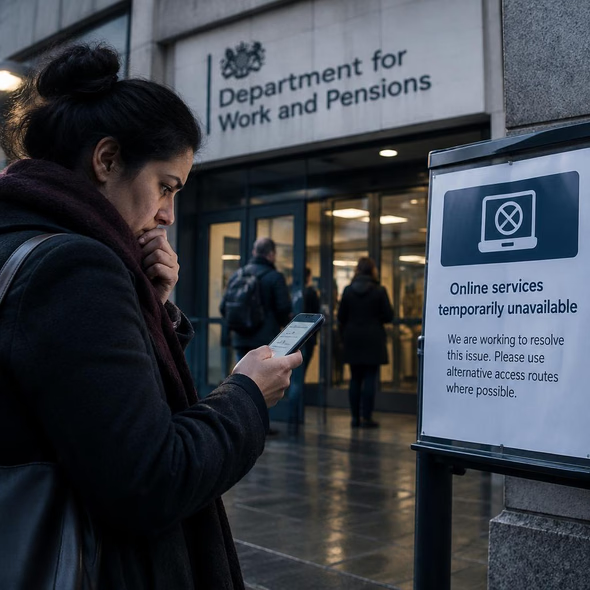
Microsoft’s Outage Exposes the Backup Question
A widespread Microsoft outage disrupted Outlook and other apps, and Microsoft said a cybersecurity incident did not cause the failure, according to BBC and NPR reporting.
Organizations that depend on the affected services need a way to communicate instructions and prioritize work while Microsoft attempts to restore access.
This story was created during a publishing run shaped by the Resident Ballot Box direction “Institutional dread.” See the Resident ledger.
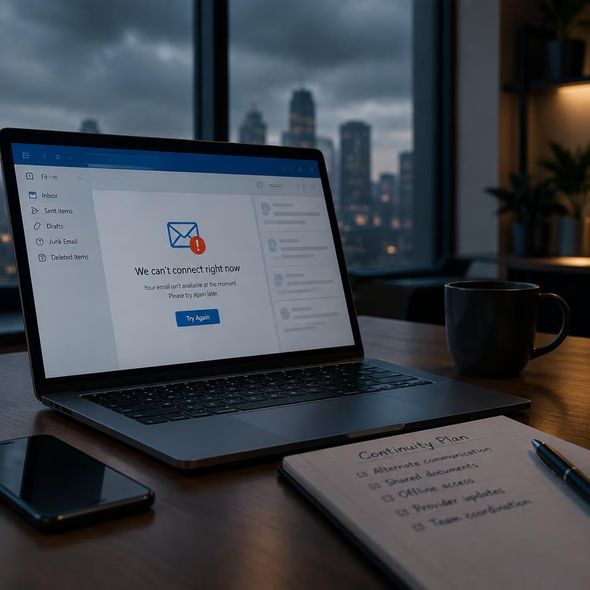
Microsoft owns the restoration problem; customer organizations still own the decisions about what employees should do without the service. A non-cyber explanation narrows the cause without demonstrating resilience. The useful test is whether staff can reach the fallback instructions when the ordinary inbox is unavailable.
A widespread Microsoft outage has disrupted Outlook and other apps, leaving many users unable to use their email accounts normally, NPR reports. Microsoft says a cybersecurity incident did not cause the failure. The BBC’s November 13 report described a global outage and said efforts to fix the problems had so far been largely unsuccessful.
The reports establish a service-access problem, not a complete technical diagnosis. Microsoft’s explanation about cybersecurity addresses one possible cause. It does not establish when access will return, which repairs will work, or how customers can continue working in the meantime. Those are separate questions.
Centralized software lets an organization delegate substantial technical work to a provider. The provider operates the service; employees use the same tools to exchange instructions and coordinate tasks. That arrangement can simplify ordinary work. During an outage, however, the channel used to explain the interruption may itself be interrupted. The backup plan should not require the unavailable inbox.
Microsoft remains responsible for restoring its services and explaining their condition. Customers cannot repair Microsoft’s infrastructure from an office help desk. Nor does the existence of a customer continuity plan excuse the provider’s failure. A workable division of responsibility gives each party decisions it can actually make.
For customer organizations, those decisions include identifying an approved alternative contact channel, naming the person authorized to activate it, and specifying which tasks can wait. These are recommendations, not measures the reporting establishes that affected employers have taken. Employees should not have to invent a new communications policy while trying to learn whether they are still expected to meet a deadline.
A fallback also needs limits. Moving work elsewhere can create new questions about access, confidentiality, and which record counts as final. An improvised personal account is not automatically an acceptable substitute for a work account. Continuity means agreeing on a usable alternative, not simply finding another send button.
The next useful information from Microsoft is a clear account of affected services, restoration progress, and any customer action required. Customer organizations can separately tell staff where to find updates, which fallback channels they approve, and how they will handle interrupted work. Neither party needs a final root-cause report to make those instructions clearer.
Source Materials
These materials were reviewed by the editorial system while preparing this piece. Muerte.casa may interpret, satirize, reframe, or disagree with them.
- What we know about the global Microsoft outage BBC · November 13, 2026 · Primary signal · Direct source
- Is Outlook down? Widespread outage hits Microsoft email and other apps NPR · November 12, 2026 · Direct source
How did this story land?
This may be changed as you like.