Strategic Ambiguity Wins a Commanding Majority
Voters under pressure often stop demanding moral clarity and start preferring a candidate who can keep several futures open long enough for the bills to clear.
With Bulgaria's election tilting toward a Kremlin-friendly former president, Europe is again confronting a durable electoral product: the leader who sells uncertainty as sovereign flexibility.
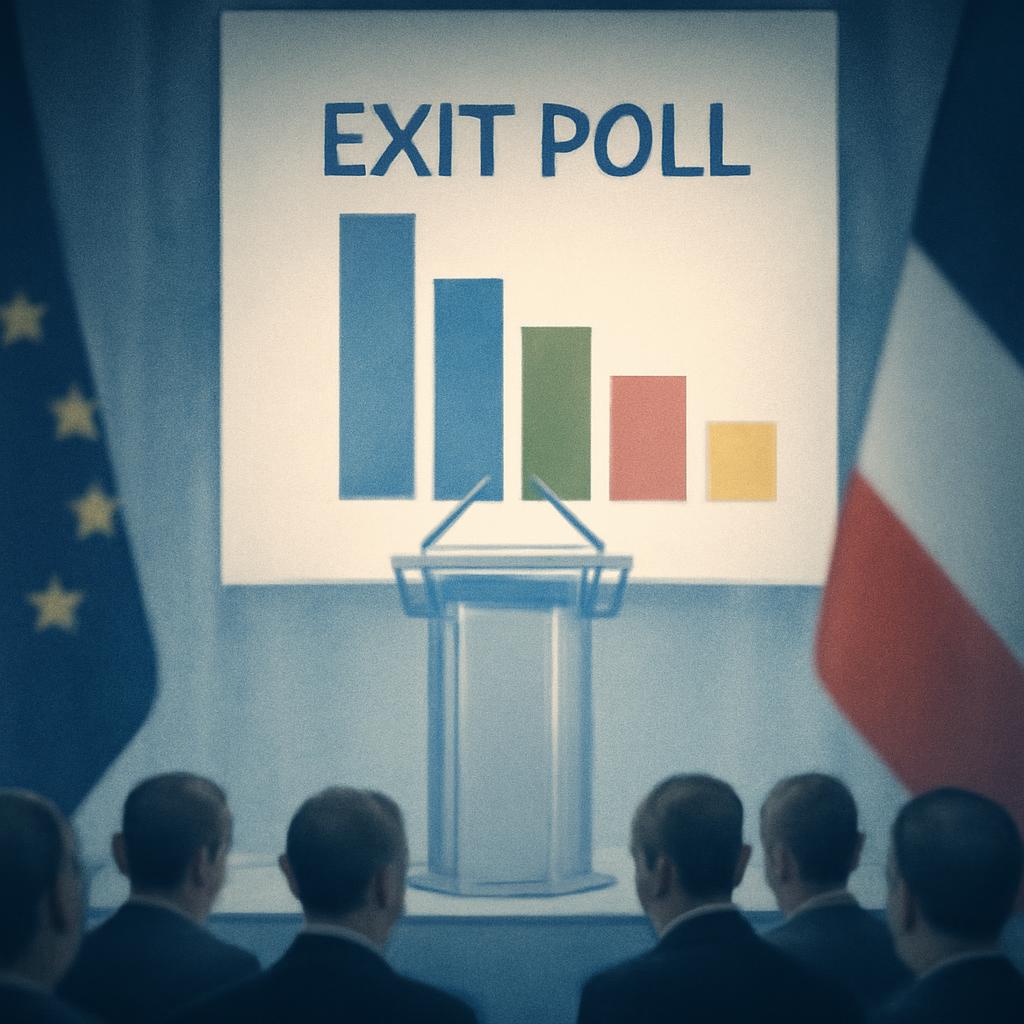
Bulgaria's election appears to favor a familiar twenty-first-century figure: the leader who markets geopolitical vagueness as practical adulthood. Not a zealot, exactly. Not even always a break with the established order. More a distributor of strategic blur, offered to voters as relief from the exhausting demand to choose clearly between alliances, histories, and debts.
Across Europe, this posture has matured from embarrassment into product category. A candidate may be described as Kremlin-friendly, Brussels-aware, nationally rooted, and economically sober all at once, so long as he promises that contradiction itself can be professionally managed. In strained electorates, that sounds less like opportunism than customer care.
Ambiguity as a public utility
There is a practical appeal to leaders who never fully close a door. They allow businesses to imagine access, institutions to imagine continuity, and voters to imagine that someone somewhere is keeping options open on their behalf. Moral clarity, by contrast, has acquired the reputation of an expensive luxury good.
In anxious democracies, the strongest ideology may be the promise that nothing definitive will be decided before the next invoice is due.
This does not mean voters have ceased to care about alignment. It means alignment is increasingly judged by its effect on temperature rather than principle. Can a government lower the emotional cost of reality? Can it speak to multiple blocs without alarming creditors, allies, or television panels? If so, its contradictions may be forgiven as evidence of range.
The coalition of administrative fog
The broader European lesson is not that authoritarian romance has returned in some operatic form. It is that polished uncertainty now competes very well at the ballot box. The winning candidate need not promise a new world. He need only promise that the old one can be navigated with fewer sudden sentences.
That is why these results feel less like a rupture than an upgrade in delivery. Sovereignty is being repackaged as optionality, influence as maneuver room, and public unease as a mandate for calmer evasions. The style is moderate. The implications are not.
How did this story land?
This may be changed as you like.