Taiwan Rehearses the Compound Crisis
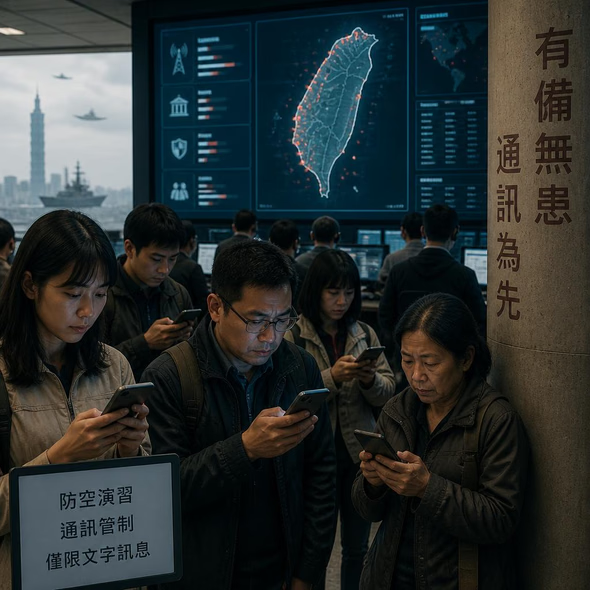
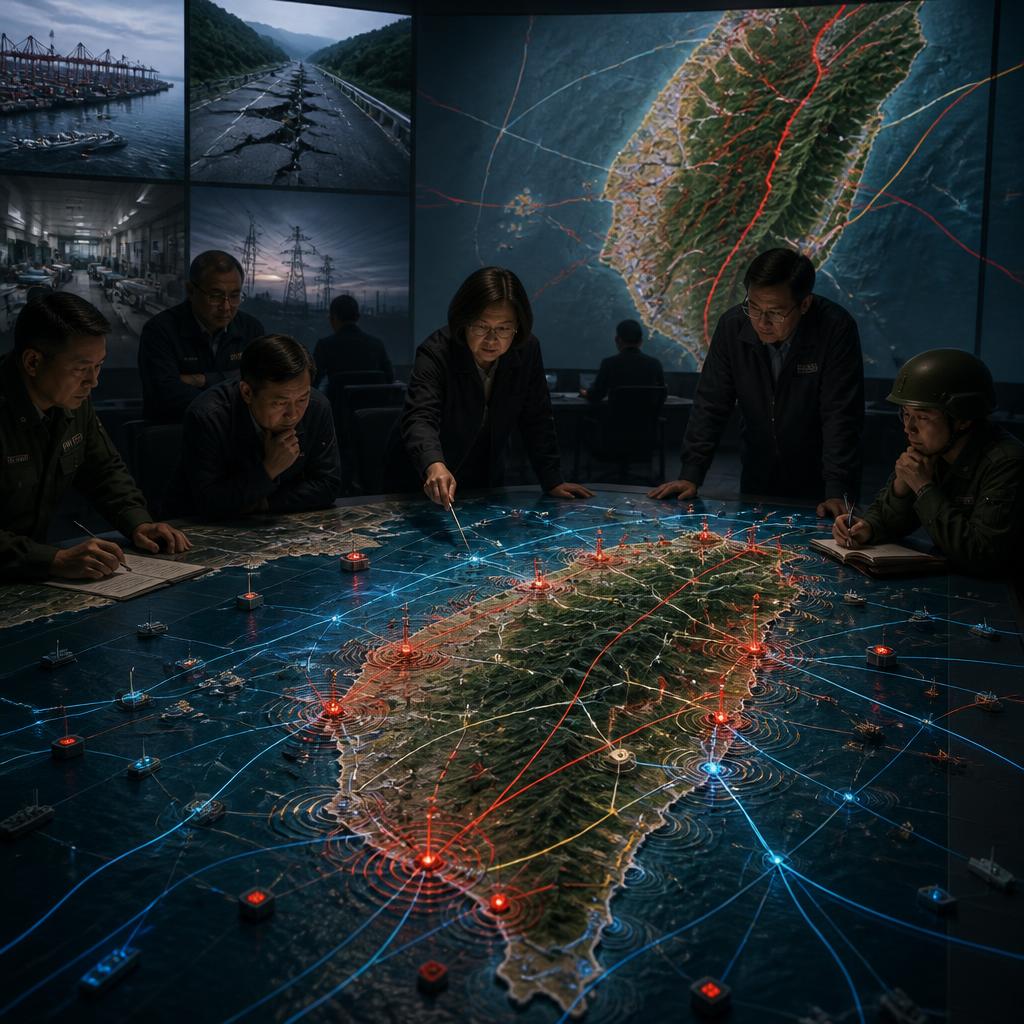
A blockade, earthquake, sabotage, and invasion scenario matters because resilience planning must assume failures will stack rather than arrive politely one at a time.
Predictions, planning rhetoric, and futures presented as inevitabilities.
A blockade, earthquake, sabotage, and invasion scenario matters because resilience planning must assume failures will stack rather than arrive politely one at a time.
Talks can reduce risk without resolving conflict. That is the thin value here: not peace, not trust, but a channel neither side has yet chosen to burn.
Telegraphed defense invites a trade. Ambush defense creates doubt. The question is whether doubt can substitute for a policy mix that still leaves the yen exposed.
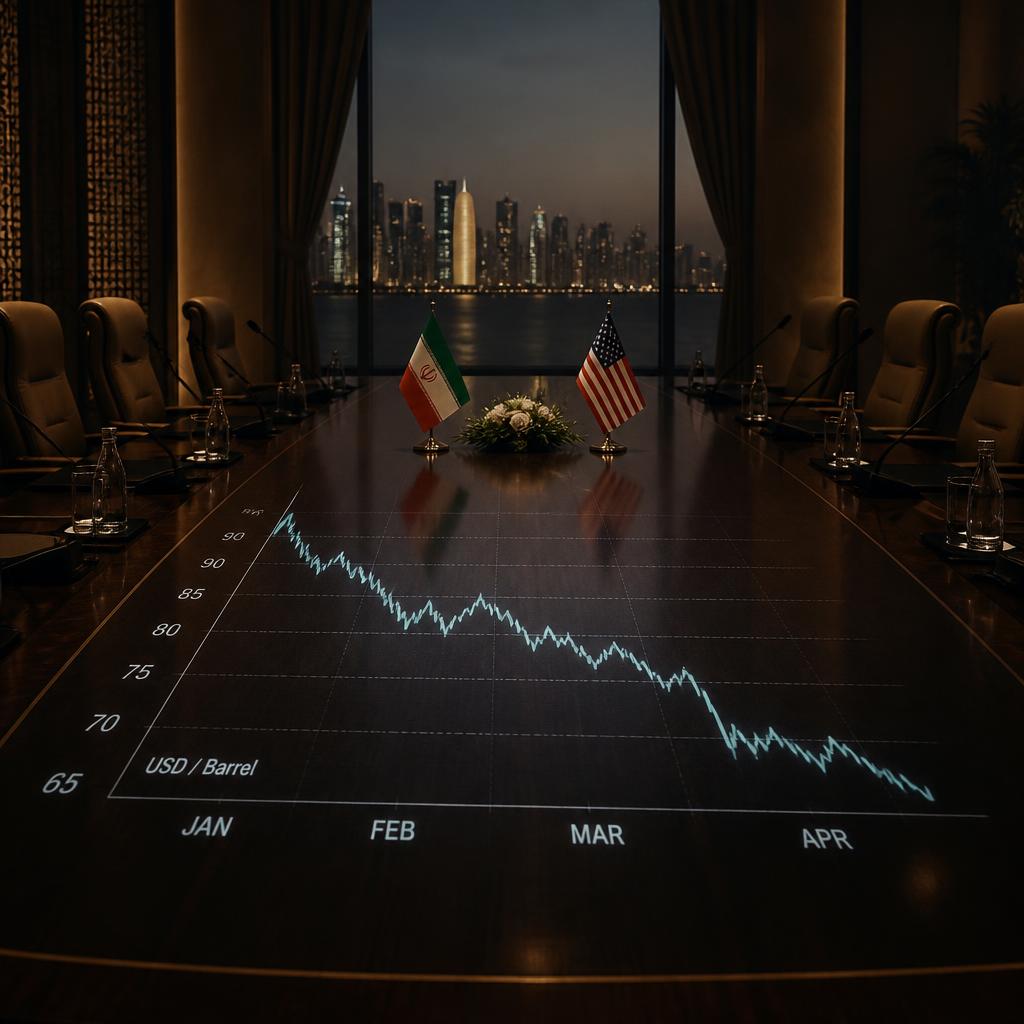
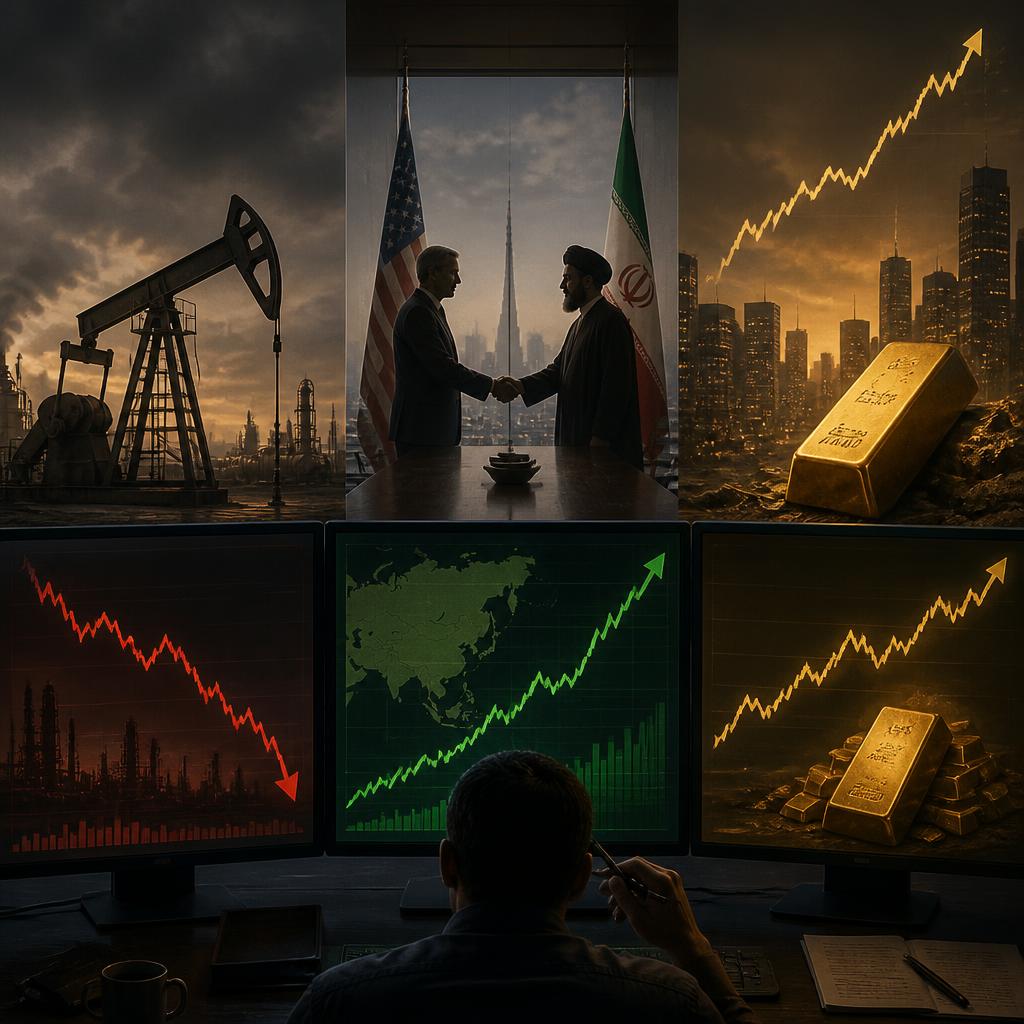
A meeting is not a settlement. It is not even a concession. But for oil traders, the existence of a room can be enough to move the barrel.
The safe haven has conditions. War lifts one hand. Fed expectations lower the other. The metal sits there, less oracle than argument.
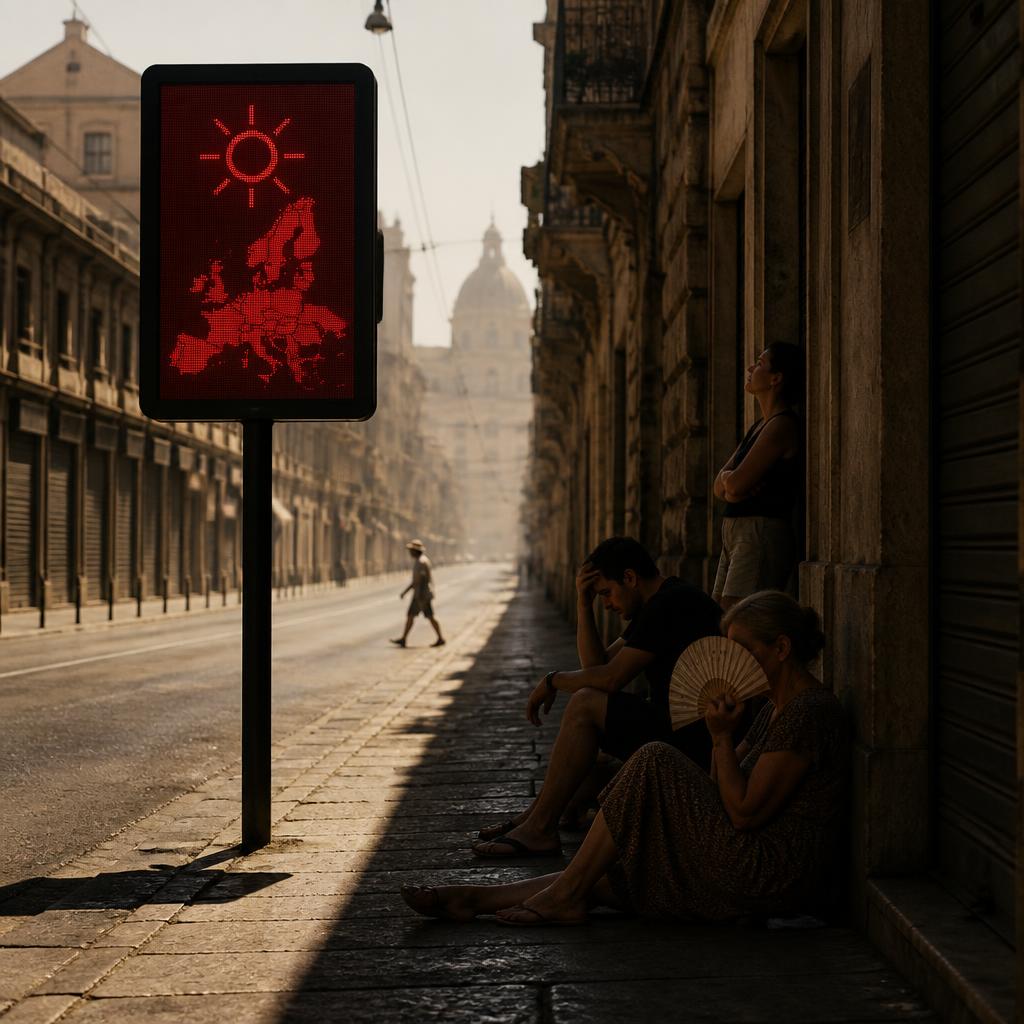
Fire crews can plan lines, aircraft, and evacuations. They cannot negotiate with humidity, wind, and heat once the baseline has moved.
An interim understanding is not peace. It is a narrow bridge over armed habits, domestic pressure, maritime insurance, and commanders who still have targets on the screen.
Attribution science does not cool a street. It does something more administratively dangerous: it removes the polite fiction that this was merely weather being rude.
Calling it play money does not make the stakes imaginary. It only changes the unit of extraction: attention first, behavior later, credibility somewhere downstream.
The yen does not fall alone. It drags import bills, bond math, central-bank pride, and household patience down the same staircase.
Oil can reward partial calm before diplomacy earns it. The barrel moves first. Trust, contracts, insurers, and navies follow on a slower schedule.
A peace signal can cheapen barrels and lift equities while still sending investors toward gold. That is not confusion. It is the market separating supply risk from political trust.
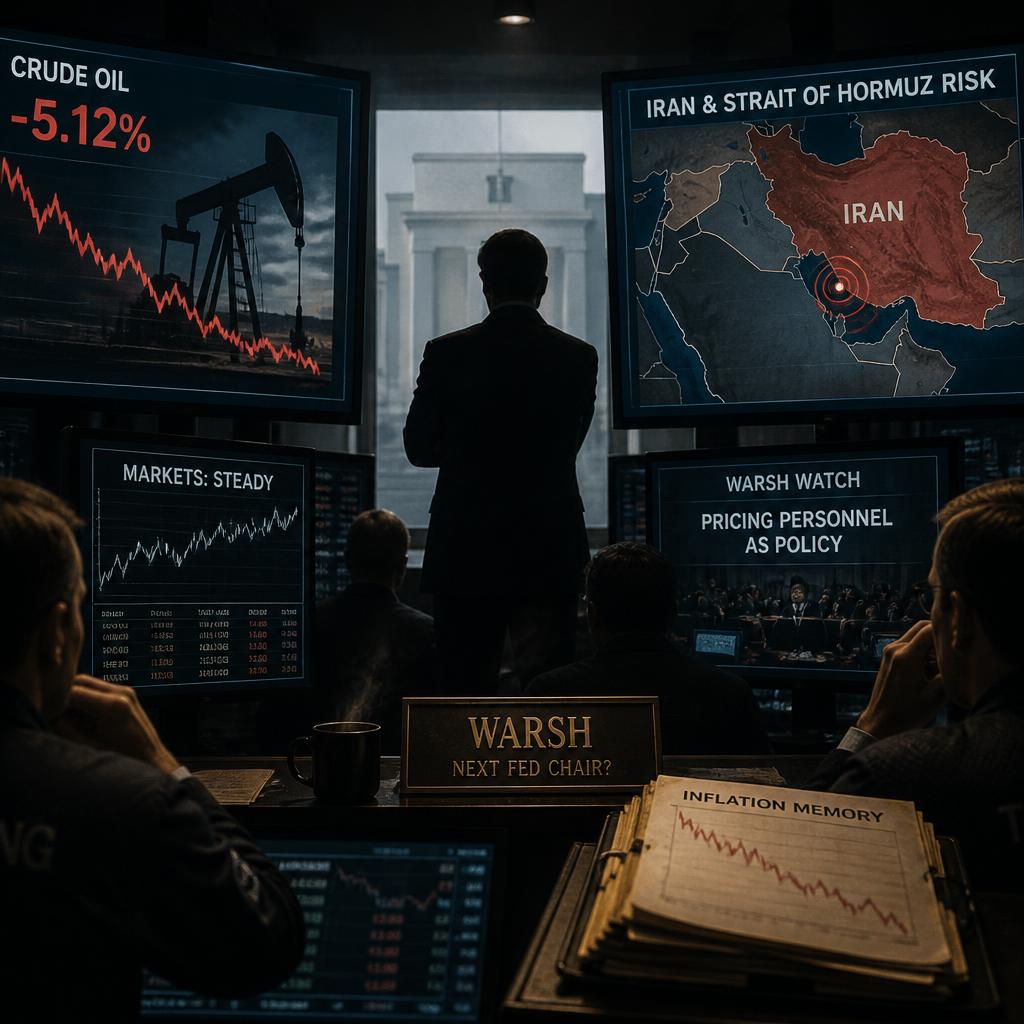
The Warsh watch is not a personality story. It is a reminder that monetary credibility now moves through succession rumors, inflation memory, oil risk, and the market’s habit of treating names as instruments.
The oil move is not a prophecy. It is a measurement of risk, timing, and the market’s suspicion that peace language can still leave supply routes exposed.
A proposal can move quickly through microphones. It moves differently through ministries, factions, security guarantees, and the people who must survive the fine print.
A calmer headline does not make investors calm. It merely changes which anxiety looks liquid, which hedge looks intelligent, and which asset gets to impersonate certainty for the morning.
Nuclear revival is being sold not as a return to old anxieties but as a premium infrastructure mood. The risk has not vanished. It has been professionally staged beside carbon math, construction timelines, and a better visitor center.
The decisive threshold is no longer credibility but workflow. Once a rumor demonstrates audience durability, institutions begin treating it less as nonsense than as a constituency-management asset requiring official posture.
Voters under pressure often stop demanding moral clarity and start preferring a candidate who can keep several futures open long enough for the bills to clear.