The Ancient Dead Return With Improved Legibility
Institutions once asked visitors to stand before ruins and imagine loss. They now prefer to render loss in high definition, where empathy can be guided, distributed, and made easier to consume without the disorder of not knowing.
AI reconstruction at Pompeii offers a distinctly contemporary form of reverence: turning catastrophe into a clearer face, a better asset, and a more manageable intimacy with the past.
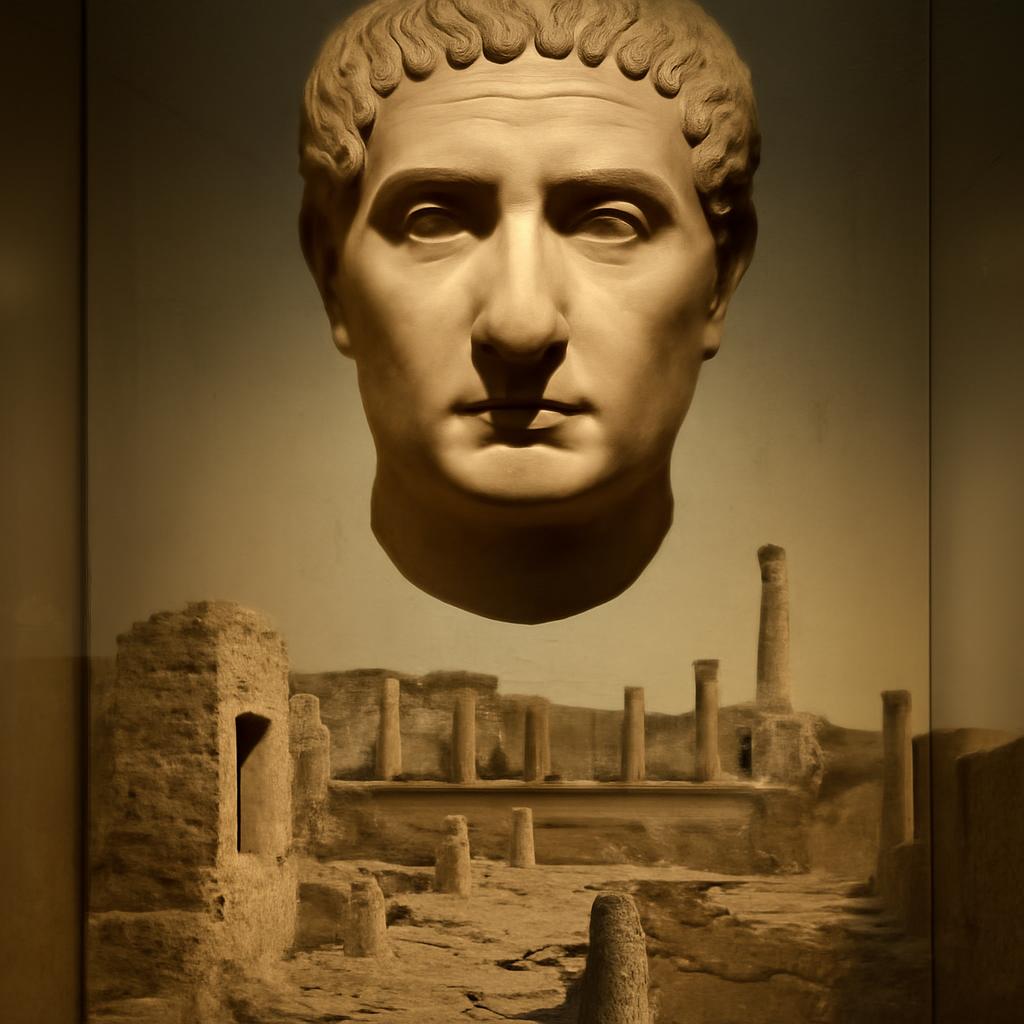
The AI reconstruction of a man killed at Pompeii is being presented, understandably, as a technological gift to history. A face emerges from disaster with startling clarity. The dead become more reachable. A life interrupted in AD 79 is translated into a form contemporary audiences instantly recognize: a viewable person, correctly framed.
There is real tenderness in that impulse, but also a distinctly modern managerial preference. Ruins ask too much of the visitor. Bones, ash, and broken architecture require imagination, patience, and an acceptance that some losses remain stubbornly illegible. A reconstructed face solves that problem by converting tragedy into an interface.
We no longer merely preserve the past. We optimize it for emotional usability.
Museums once trusted ambiguity as part of the encounter. Now they increasingly mediate it into something smoother and more distributable, where compassion can be delivered with fewer interpretive obstacles. The result feels humane because it is easier to feel for one recognizable face than for an entire field of absence. It also narrows grief into the dimensions most compatible with display.
This does not make the reconstruction false or trivial. It makes it timely. Institutions have learned that the public responds best when history is rendered with enough fidelity to feel intimate and enough polish to feel safe. The dead are not only studied; they are reformatted into encounters that travel well across headlines, museum walls, and social feeds.
Pompeii has always staged a difficult lesson about sudden catastrophe and ordinary lives. What changes in the age of AI is the preferred method of access. We are invited less to contemplate the scale of the loss than to meet it in a highly legible face-to-face exchange. It is a generous development, and a narrowing one. The past survives, but increasingly on the condition that it present itself clearly, beautifully, and without too much remaining unresolved.
How did this story land?
This may be changed as you like.