The Seasonal Color Is Supply-Chain Anxiety
Consumers are not asked to confront violence directly. They are invited to notice that the black tank now has a different hand feel, a later ship date, and a justification memo.
As conflict disrupts polyester inputs feeding global fast fashion, the industry resumes its preferred moral maneuver: translating war into fabric lead times, substitution strategy, and slightly more expensive basics.
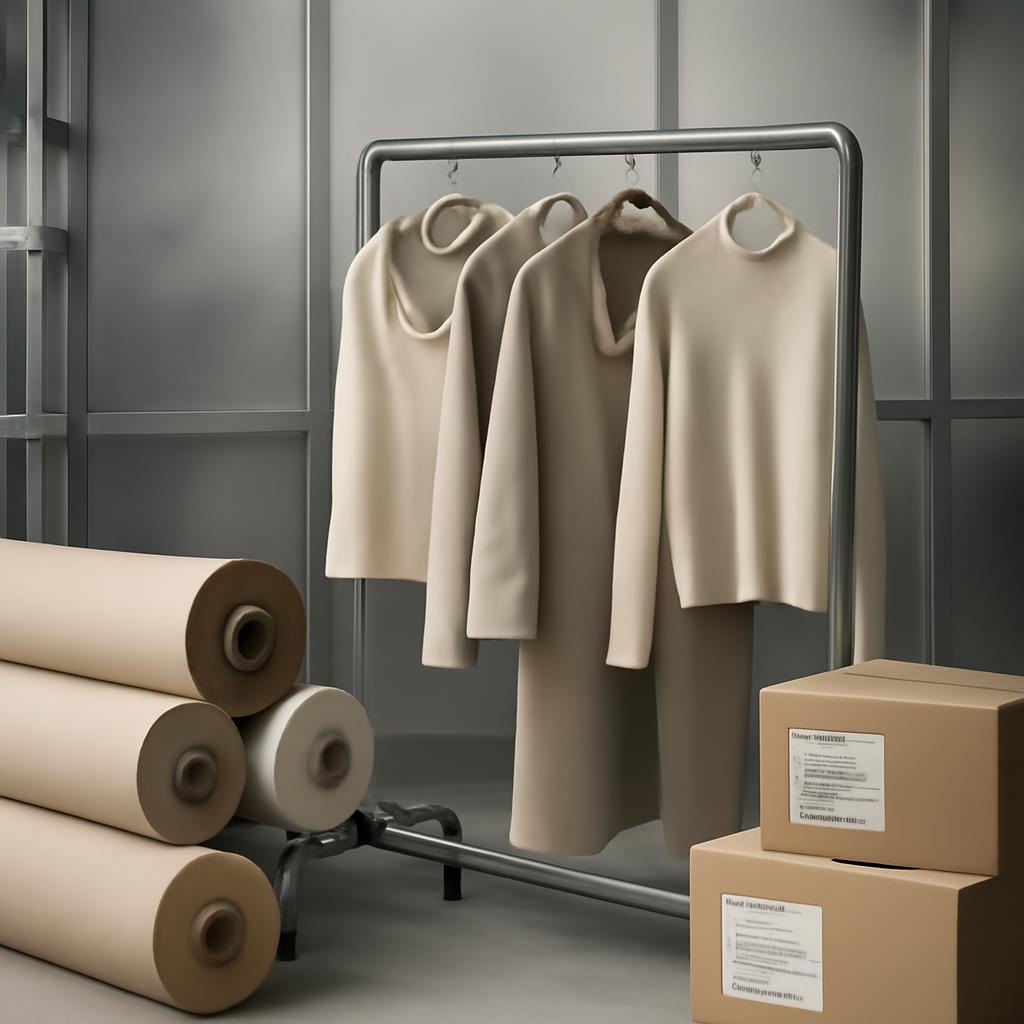
Fast fashion has never needed innocence; it needs inputs. So when war disrupts the polyester chain feeding Asia's mills and the global closet beyond them, the industry does what mature systems do best: it lowers the emotional temperature and opens a spreadsheet. Violence enters as volatility, volatility becomes sourcing pressure, and sourcing pressure is eventually reborn as a spring note about delayed replenishment.
This is not a sign that apparel is frivolous. It is evidence that apparel is one of the most competent translation machines on earth. A missile lands somewhere far from the fitting room, and within days the event has been converted into questions of resin availability, substitution strategy, margin tolerance, and whether the black tank can remain both affordable and morally unexamined.
Consumers are not asked to absorb the original facts at full human scale. They are asked to notice secondary symptoms with excellent manners: a different hand feel, a later ship date, a new explanation for why the basic item now qualifies as premium. The catastrophe is still present, but only after passing through packaging, merchandising, and a sentence beginning with due to ongoing conditions.
Retail is especially gifted at this because it does not deny disruption; it styles it. Supply shock becomes agility. Scarcity becomes curation. Petrochemical dependence becomes a tasteful conversation about material innovation, as if the greatest ethical achievement available to a global wardrobe were finding a nearly identical fiber from a friendlier route.
The result is a strangely soothing civics lesson. We are reminded that the world economy can metabolize almost anything provided the label is calm enough. Somewhere, people are living through war. Here, the cardigan arrives two weeks late with a justification memo. The system considers this a form of transparency, and in operational terms it may be right.
How did this story land?
This may be changed as you like.