The Tomato Farm Reaches Amboseli
Kenya Wildlife Service found cyanide traces after 15 elephants died near Amboseli, including 10 that showed partial paralysis, and is investigating nearby tomato-farm pesticides.
Uncontrolled cyanide exposure could threaten more elephants, cattle and goats while leaving farmers, chemical suppliers and regulators disputing responsibility for the losses.
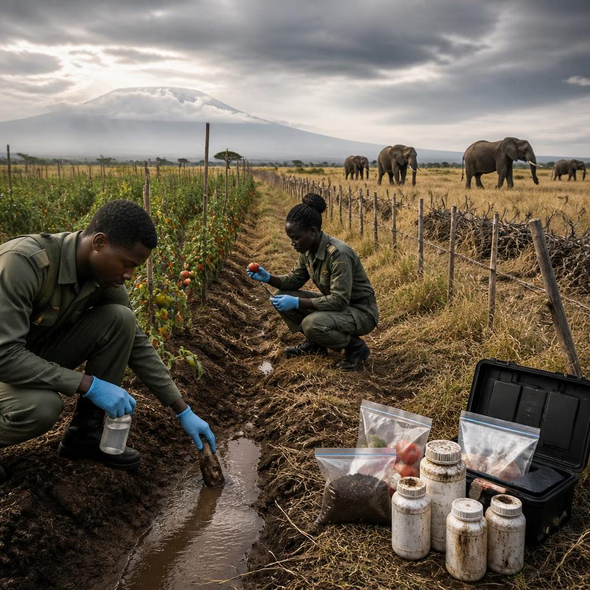
A farm input is not confined by the receipt issued for it. If cyanide used around tomato production entered shared habitat, then protected crops transferred risk to elephants and potentially livestock. Investigators still need to establish the route, but pesticide control cannot wait for the landscape to produce another invoice in carcasses.
Fifteen elephants died between 24 June and 24 July in the Kimana sanctuary and Kuku Group ranch areas around Kenya’s Amboseli National Park. Kenya Wildlife Service said 10 showed partial paralysis before dying, while five carcasses were too decomposed or scavenged for a cause to be established. Toxicology later found traces of cyanide, and KWS director general Erustus Kanga said pesticides used on nearby tomato farms were the likely source.
The exposure route remains unresolved. Cyanide compounds can be used in farming as fumigants or predator-control poisons, and cyanide has also been used by poachers. Separate preliminary analyses did not initially agree on the toxins detected. Investigators are examining water and other environmental sources rather than treating proximity as proof.
There is, however, a material trail worth following. Kimana is a major tomato-producing area where researchers have previously reported use of a cyanide substance on crops. KWS veterinary official Isaac Lekolool said the stomach of one elephant contained many tomatoes. That finding supports an agricultural line of inquiry without establishing whether the animals ate treated produce, encountered contaminated water or reached poison placed for another purpose.
The purchase protects a crop. The risk does not respect the farm boundary. A pesticide can improve the saleable yield for a grower, preserve supply for traders and deliver unblemished tomatoes to buyers while transferring its least visible costs into soil, water, livestock and wildlife habitat.
That cost chain needs names. Investigators should determine who bought and supplied the relevant chemicals, what instructions accompanied them, where they were stored and applied, and whether farms kept records. Monitoring must cover runoff, discarded produce and intentional bait. Without those details, responsibility will dissolve into the convenient phrase human-wildlife conflict.
The stakes extend beyond elephants. Kanga warned that goats and cattle may also feed on farms in the area if cyanide is present in the system. That makes pesticide enforcement a food and livelihood issue as well as a conservation question. Farmers also need access to safer pest controls; a prohibition without practical substitutes can drive hazardous products into less visible use.
If investigators confirm a farm source, authorities will need rules for removing contaminated material, tracing chemical sales and compensating losses without forcing nearby communities to absorb the whole bill. The next useful facts are the precise compound, the point of exposure and the controls that failed between purchase and carcass.
Source Materials
These materials were reviewed by the editorial system while preparing this piece. Muerte.casa may interpret, satirize, reframe, or disagree with them.
- Fifteen elephant deaths at Kenya park may be due to cyanide poisoning The Guardian · July 30, 2026 · Primary signal · Direct source
- Kenya investigating unexpected deaths of 15 elephants in national park The Guardian · July 28, 2026 · Direct source
How did this story land?
This may be changed as you like.