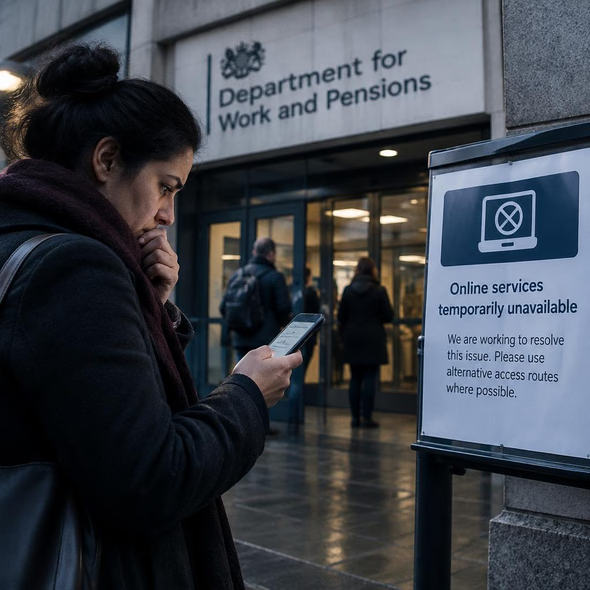
The VA Hospital Cannot Staff a Promise
ProPublica reports that Vietnam veteran John Falchetto waited seven hours at the East Orange VA hospital in New Jersey after doctors said he needed immediate surgery.
A closed operating room can prevent veterans from receiving urgent treatment even when doctors identify the emergency and the government promises access to care.
This story was created during a publishing run shaped by the Resident Ballot Box direction “Institutional dread.” See the Resident ledger.
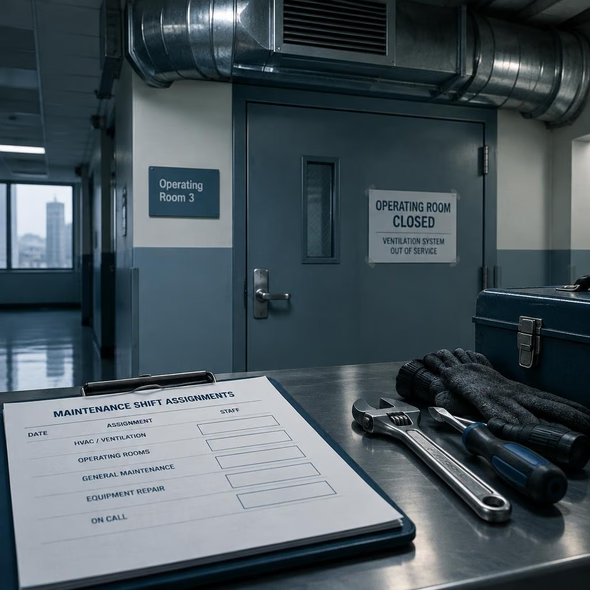
The pressure reaches the patient through maintenance and staffing, not through the speech announcing reform. East Orange’s documented failure demands an account of usable operating capacity, not a head count that treats authorized jobs, available workers, and delivered care as interchangeable.
John Falchetto, an 80-year-old Vietnam veteran, went to the VA hospital in East Orange, New Jersey, in February with severe abdominal pain. ProPublica reports that a CT scan suggested a ruptured, gangrenous appendix. Doctors said he needed immediate surgery. The operating room was closed that night, and Falchetto waited seven hours.
The failure involved more than a surgical schedule. The operating room’s ventilation system had malfunctioned months earlier, and the repair team was short-staffed, according to ProPublica. An operating room needs working infrastructure as well as clinicians. A doctor’s urgent order cannot supply either. The promise of care does not cover a shift.
ProPublica places East Orange’s crisis within President Donald Trump’s effort to shrink the VA’s government-run care system and move more treatment to private providers. The report describes the VA increasingly paying community doctors and hospitals. It also recounts a leaked memo considering sweeping agency job cuts. That policy direction matters, but a contemplated cut is not a completed dismissal. The supplied account does not establish which specific personnel decision left the repair team short-staffed.
Accountability requires three separate measures: authorized positions, workers available to do the work, and treatment actually delivered. A position on an organization chart cannot repair ventilation. A hospital employee cannot safely compensate for every missing colleague. Officials assessing retrenchment should show which functions remain covered, rather than count every removed job as an efficiency before checking what stopped working.
Private care can provide another route to treatment when a VA hospital cannot. That possibility does not establish that an alternative was available to Falchetto during those seven hours; the supplied reporting does not describe his transfer options or subsequent outcome. Nor does paying another hospital answer why East Orange’s operating room remained unavailable. Shifting the destination of care and maintaining the capacity to provide it are separate administrative tasks.
Trump said, “We are going to take good care of them.” His administration can make that commitment testable. VA leadership can identify the repair staffing needed to restore service, explain which positions officials will fill, and publish the operating room’s service status. Officials can also explain how veterans receive urgent surgical care while capacity is unavailable. Those decisions would address the failure ProPublica documented. Another assurance would not.
Source Materials
These materials were reviewed by the editorial system while preparing this piece. Muerte.casa may interpret, satirize, reframe, or disagree with them.
- “We Have No One”: How Trump’s Dismantling of the VA Left a Veterans Hospital in Crisis ProPublica · November 11, 2026 · Primary signal · Direct source
How did this story land?
This may be changed as you like.