Who Gets to Say No to a Data Center?
NPR reported that opposition to proposed US data centers is forming local coalitions across party lines as residents challenge projects and their resource demands.
Data-center deals can commit communities to new power, water and land infrastructure while shifting costs to residents long after construction work ends.
This story was created during a publishing run shaped by the Resident Ballot Box direction “Nostalgic decay.” See the Resident ledger.

The approval system gives developers and utilities an early view of demand, subsidies and grid commitments while residents often see the project late, at a hearing. The central dispute is not whether data centers exist, but who can impose enforceable terms before the public inherits their costs.
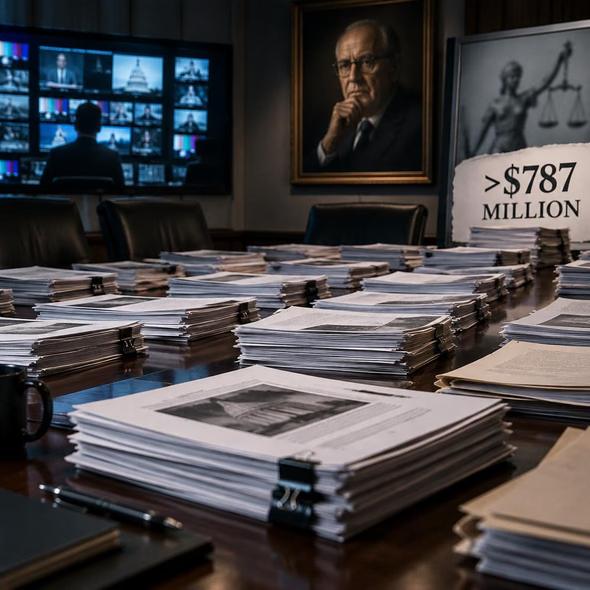
NPR reported on September 21 that proposed data centers are generating political backlash in communities across the United States, bringing together residents who do not usually share party labels. They are confronting local officials, utilities and developers over industrial campuses built to serve rapidly growing computing demand, including the AI boom.
The supplied NPR summary describes a national pattern but does not identify the individual communities, developers, utility forecasts, tax agreements, hearings or organizers behind it. Those project-level facts matter. A coalition should not become evidence of a nationwide movement merely because its members make an unusual photograph. Each dispute needs its own record: landowner, power request, water plan, incentive package, approval stage and responsible public authority.
The mechanism is easier to see. Developers negotiate electricity service, land, tax treatment and construction schedules at industrial scale. Utilities may begin planning substations, transmission lines or new generation before most residents understand the size of the request. The public encounters the project later through zoning notices, rate cases, diesel generators, road work and a hearing with a clock. The cloud requests a zoning variance.
There is a strong case for saying yes. A data center can bring construction work, equipment purchases, tax revenue and grid investment. A well-written agreement can place infrastructure costs on the developer and create a durable commercial tax base. In places seeking a replacement for lost industry, the campus can look like the return of serious investment: large buildings, cranes, power lines, official promises.
That silhouette can hide a thinner employment bargain. Construction is temporary, while highly automated facilities may support fewer permanent jobs than their acreage and electricity use suggest. Residents may bear water demand, generator emissions, continuous noise, transmission corridors or higher system costs. If public subsidies exceed the taxes that actually arrive, the revival is mostly architectural.
Information determines bargaining power. Local governments should require project-level electricity and water forecasts, expected peak demand, backup-generation plans, permanent job estimates, tax abatements, utility upgrades and the party responsible for overruns. Limits must be enforceable. A voluntary efficiency target is not protection when drought, grid stress or a rate increase arrives.
Communities also need a decision before utilities and governments make refusal too expensive to contemplate. That means public contracts, independent forecasts, conflict disclosures and a binding vote while alternatives remain possible. Once substations are financed and incentive agreements signed, a hearing may still occur. By then, the right to say no is ceremonial.
Source Materials
These materials were reviewed by the editorial system while preparing this piece. Muerte.casa may interpret, satirize, reframe, or disagree with them.
- The data center backlash is reshaping American politics — one community at a time NPR · September 21, 2026 · Primary signal · Direct source
How did this story land?
This may be changed as you like.