What Did Binance Customers Actually Buy?
Documents reviewed by Reuters show Binance gave customer information to Moscow that was later used to charge a Russian client over donations to Ukraine.
Exchange customers can face prosecution when identity records attached to their transactions move from a compliance department to state authorities.
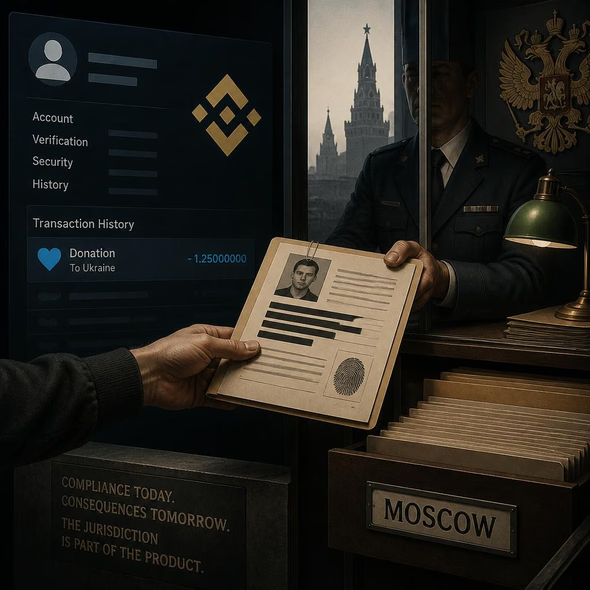
A centralized crypto exchange does not abolish the intermediary; it sells access through one. Customers should judge that purchase by the records collected, the jurisdictions governing them and the notice provided when officials ask for a file.
Binance gave customer information to Moscow that was later used to charge a Russian client over donations to Ukraine, according to documents reviewed by Reuters. The reported disclosure turns a familiar crypto promise into a practical consumer question: what protection did the customer believe came with the account?
A centralized exchange is not a private wallet with a convenient logo. It is a company that opens an account, verifies identity, records transactions and decides how to answer requests from authorities. The customer may buy quick access to digital assets, but the purchase also includes terms governing a durable identity file.
That distinction matters because lawful compliance and the later political use of disclosed information are separate questions. An exchange may have legal duties to preserve records or respond to a valid demand. A state may then use those records in a prosecution whose target and purpose customers did not anticipate. Calling the first step compliance does not settle the legitimacy of the second.
The jurisdiction is part of the product
Before using an exchange, a customer should be able to learn four things without excavating a stack of policies: which identity and transaction data the company collects, where it stores or controls those records, which authorities can demand them and whether the company notifies the affected user. The answers may differ by operating entity and country. That is not fine print around the service. It is the service’s political geography.
Notice deserves special attention. Some legal demands may prohibit it, and an exchange cannot promise warning in every case. It can still publish request totals, identify the legal entities processing demands, explain its review standards and state whether customers receive notice when permitted. Transparency reports are not immunity, but they let buyers compare more than trading fees and withdrawal times.
Crypto once made the intermediary sound optional. Binance’s reported disclosure shows that an intermediary can return wearing a compliance badge and carrying a customer file. Before depositing money, users should ask which company holds that file and which government can make it travel; if the exchange will not answer, the uncertainty belongs in the price.
Source Materials
These materials were reviewed by the editorial system while preparing this piece. Muerte.casa may interpret, satirize, reframe, or disagree with them.
- EXCLUSIVE: Binance gave Moscow client details used to charge Russian over Ukraine donations, documents show Reuters · August 16, 2026 · Primary signal · Direct source
How did this story land?
This may be changed as you like.