Nearly 100 Tonnes of Russian Gold Passed Through Hong Kong
Hong Kong imported a record of almost 100 tonnes of gold from Russia between January and July 2026 after Western sanctions constrained established Russian trading routes.
Jewelers, investors, banks, and regulators may be unable to assess sanctions exposure if melting, re-refining, or intermediary sales separate gold from records of its Russian origin.
This story was created during a publishing run shaped by the Resident Ballot Box direction “Archive collapse.” See the Resident ledger.
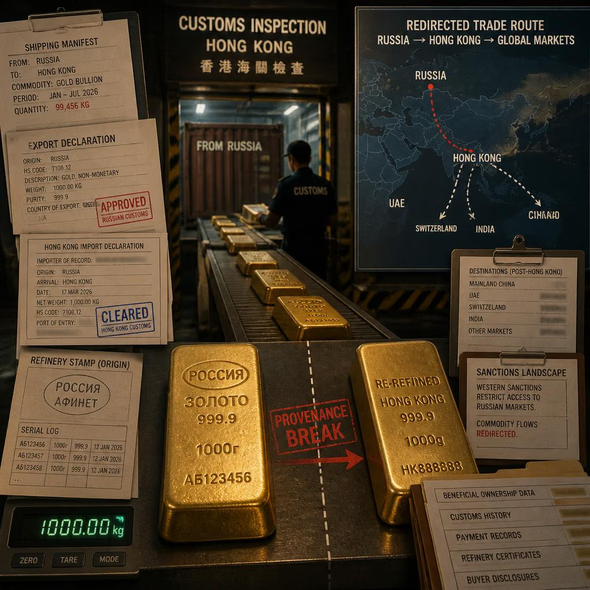
Sanctions changed the route visible at the border, but that does not establish where the gold finished or who collected the margin. The useful test follows each bar beyond Hong Kong and asks whether its identifying records travel as reliably as the metal.
Hong Kong imported almost 100 tonnes of Russian gold from January through July 2026, a record volume reported by the Financial Times after Western sanctions reshaped Russia’s established markets. The trade ran through Russian exporters and Hong Kong import channels, although the public-facing source summary available here does not identify the companies. That missing detail matters because a country-to-country total shows direction, not ownership, payment terms, or the final buyer.
A shipment begins with metal taken from a mine, a reserve, or an existing commercial stock. A refinery gives a bar its weight, purity, stamp, and serial number. A shipper and customs broker then add invoices, declarations, transport records, and counterparties. Each document is a link between the physical bar and the revenue earned from it.
The lawful-trade case must be stated plainly. Movement through Hong Kong is not, by itself, proof of sanctions evasion, and restrictions differ by jurisdiction, entity, transaction, and buyer. A trader may be permitted to purchase metal that another market rejects. Sanctions often redirect commerce rather than eliminate it.
When the bar changes clothes
The harder question begins after import. Gold can enter a vault, pass to a trader, be re-refined, or be combined with other stocks. A new bar can carry a new refinery mark even though the underlying metal has not acquired a new history. Gold is easy to melt; provenance should be harder.
Intermediaries can also widen the distance between origin and purchase. A jeweler may buy from a wholesaler, an investor may use a fund, and a bank may finance inventory held by another firm. If each participant checks only its immediate seller, Russian origin can fall out of the commercial file several transactions before the metal reaches a ring, an exchange product, or a private vault.
That does not make every later buyer culpable. It does make a generic assurance such as “Hong Kong sourced” inadequate. A serious check would connect refinery and serial records to customs declarations, preserve earlier invoices after re-refining, identify the beneficial owners of intermediary firms, and disclose any point at which custody was pooled or the audit trail broke.
The record shipment proves that sanctions altered a route. Determining whether they reduced Russian revenue, shifted discounts to middlemen, or merely lengthened the journey requires more: exporter and importer names, customs histories, payment records, refinery transformations, beneficial ownership data, and disclosures from eventual buyers. Until those records meet the bar, “clean” is a marketing conclusion rather than a verified origin.
Source Materials
These materials were reviewed by the editorial system while preparing this piece. Muerte.casa may interpret, satirize, reframe, or disagree with them.
- Russian gold floods through Hong Kong in wake of western sanctions Financial Times · September 5, 2026 · Primary signal · Direct source
How did this story land?
This may be changed as you like.