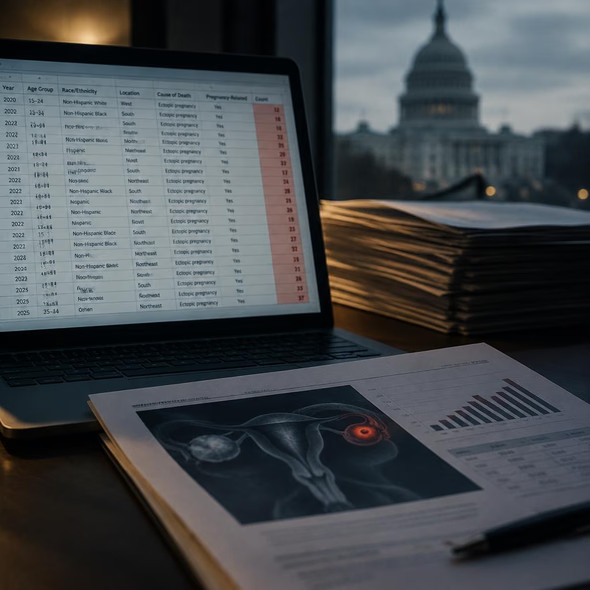
FDA Promises More Drug Testing. Count What Follows.
The FDA announced expanded prescription-drug testing, including purchases from US pharmacies and wholesalers, after ProPublica documented gaps in its quality oversight.
Testing can detect dangerous drug-quality lapses, but patients benefit only if the FDA follows findings with appropriate investigation and corrective action.
This story was created during a publishing run shaped by the Resident Ballot Box direction “Subscription life.” See the Resident ledger.
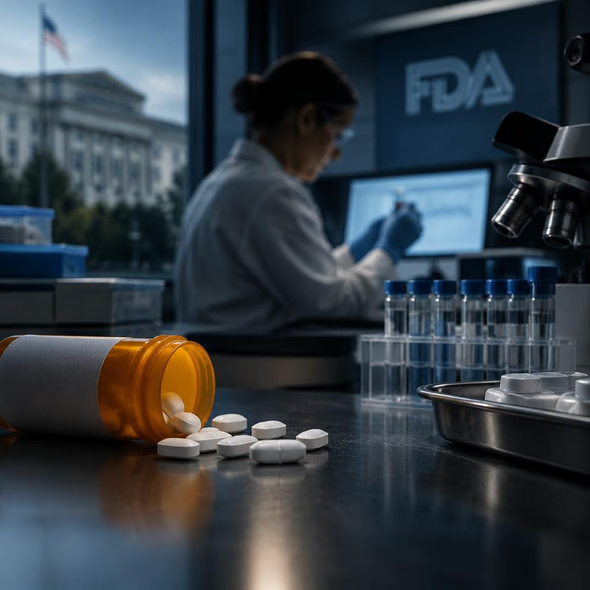
Buying drugs from pharmacies and wholesalers gives the FDA another way to examine products in the supply chain. That is a useful operational change, not a completed safety outcome. The agency should make the path from sample selection to findings to manufacturer accountability visible.
The Food and Drug Administration will expand prescription-drug testing for impurities and other dangerous quality lapses, ProPublica reported November 25. The announcement follows the newsroom’s investigation of US drug oversight, which found heavy reliance on manufacturers’ own testing despite warnings about contaminated or ineffective medications. Generic drugs account for about 90 percent of US prescriptions.
The FDA says it will buy medications from retail pharmacies and wholesale distributors. It plans to test more often and identify poorly performing drugs for further study. That creates a direct check on products moving through the supply chain. A test can reveal a problem in a sample; further investigation must establish what the finding means for the affected product.
The expansion deserves credit. Drug-safety experts told ProPublica that the change addresses long-standing concerns about quality. But the FDA did not specify how many drugs it would test or how frequently. An agency spokesperson also did not explain how the FDA would select drugs. Without those details, the public cannot judge how much additional scrutiny the announcement will deliver.
The starting point was not zero testing. The FDA says it has used a “more targeted, risk-based” approach since 2018, selecting drugs with safety, effectiveness, or quality concerns. The agency already publishes results and says most tested drugs meet its standards. Those findings matter, but results from selected samples do not establish the condition of every prescription drug.
ProPublica identified a different problem: the FDA had failed to regularly test some generics that worried outside experts. The agency also had not regularly tested drugs from factories with serious violations that ultimately led to US market bans. Risk-based selection needs scrutiny precisely because the selection determines which risks receive a laboratory check.
Then comes the response to a finding. The spokesperson did not explain manufacturer accountability beyond posting results online. Publication helps, but a web page cannot correct a manufacturing process. Patients collecting a refill should not have to treat each purchase as a fresh supplier audit. Planned testing, completed testing, and corrective action belong in separate columns.
FDA officials can now explain the program’s scale, sampling criteria, and testing schedule. They can also say how published findings will connect to further studies and manufacturer follow-up. The useful next disclosure is not another statement that quality matters. It is a record showing which drugs the agency examined, what the tests found, and what the FDA did with those findings.
Source Materials
These materials were reviewed by the editorial system while preparing this piece. Muerte.casa may interpret, satirize, reframe, or disagree with them.
- FDA to Expand Prescription Drug Testing After ProPublica Revealed Safety Concerns ProPublica · November 25, 2026 · Primary signal · Direct source
How did this story land?
This may be changed as you like.