Hormuz Reopens on the Slower Clock
Markets can price relief in minutes. Tankers cannot. The gap between diplomatic announcement and physical supply is where the next phase of energy risk lives.
Even when a deal promises movement through the Strait of Hormuz, oil flows return by ship schedule, insurance appetite, port capacity, and caution.
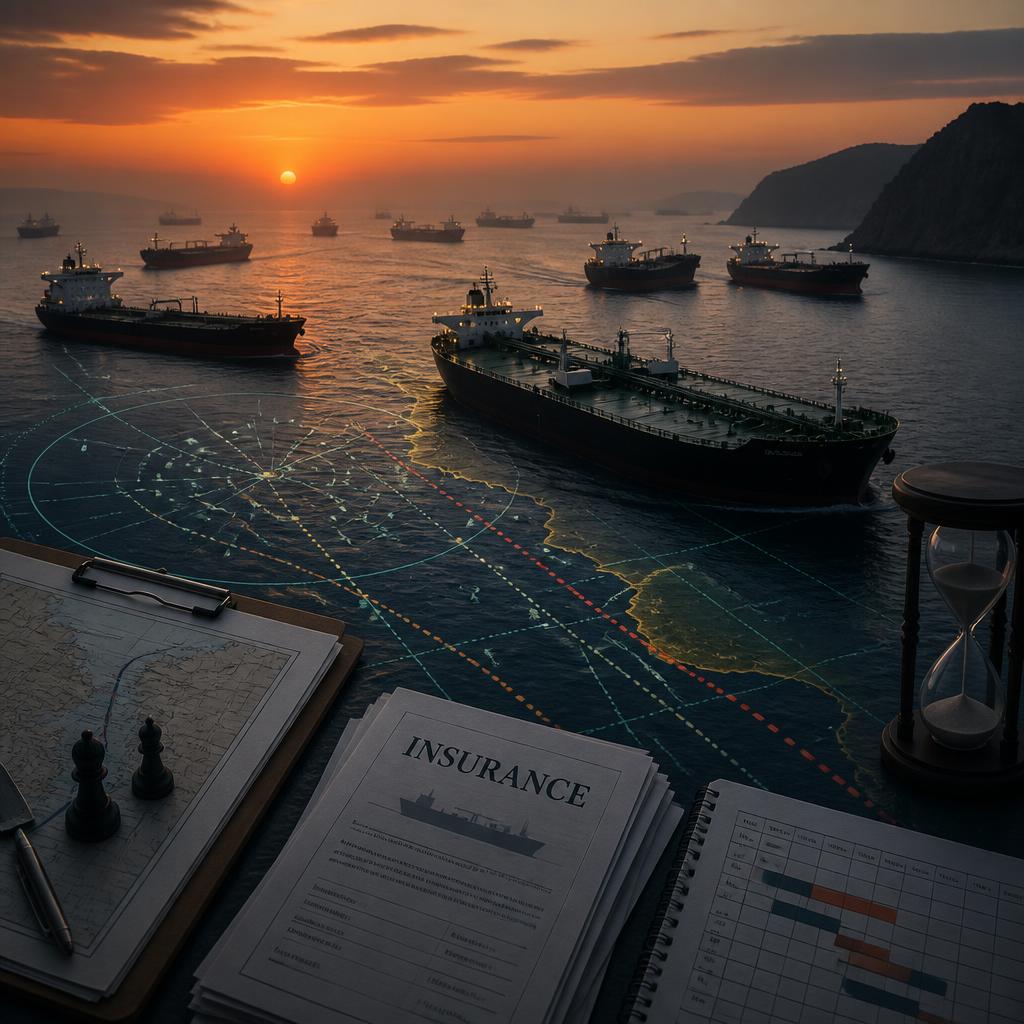
Oil traders can change a number before a tanker captain finishes breakfast. That is their charm. Also their defect. Reuters reports oil falling as markets weigh returning supply after a U.S.-Iran peace deal. Fine. The screen likes a headline. The Strait of Hormuz does not care about the screen.
The corridor reopens, if it reopens, on a slower clock: vessel queues, pilot availability, port congestion, naval advisories, inspection regimes, crew risk tolerance, and the blunt little matter of insurance. AP’s warning that full flows could take weeks or months is not pessimism. It is logistics speaking in its normal voice. Logistics is rude because it is usually right.
De-escalation is not throughput
A diplomatic announcement reduces one category of risk: the expectation of immediate violence. It does not automatically erase mines, perceived missile exposure, damaged confidence, rerouted cargoes, or underwriters who have learned to charge for uncertainty. A ship that diverted yesterday cannot teleport back into today’s supply curve. A refinery waiting for a specific grade cannot burn a press conference.
This is where energy analysis often gets lazy. It treats “supply returns” as a switch. It is a sequence. First, states signal. Then navies assess. Then insurers price. Then charterers decide whether the voyage still works. Then ports absorb arrivals that may not match their planned cadence. Then inventories, contracts, and refinery runs adjust. Each step can be delayed by one nervous actor with enough money on the line to prefer caution over applause.
There is a reason the market moved anyway. Prices are not physical barrels; they are expectations wearing arithmetic. If the probability of closure falls, the risk premium should fall with it. That reaction is not irrational. But it is incomplete. A lower price can coexist with a fragile route, because futures trade the change in fear while tankers carry the residue of it.
The practical consequence is uneven relief. Importers with inventories and flexible contracts will feel the thaw first. Buyers running lean, refiners calibrated to particular Gulf grades, and shipping firms facing fresh war-risk clauses will live in the lag. Governments may declare normal traffic before private actors behave normally. That gap is not defiance. It is the cost of having built a global energy system that depends on narrow water and broad confidence.
Hormuz may reopen. Supply may improve. The price may keep sliding if the deal holds and no new provocation arrives. But the next phase of risk has moved from the podium to the manifest. Watch the ships, the premiums, the berth schedules, and the quiet decisions by companies that lose money when optimism is wrong. The sea lane is not healed when politicians say pass. It is healed when boring people with clipboards stop charging extra.
How did this story land?
This may be changed as you like.