$176.9 Million Gets a New Definition of Human Rights
The Trump administration obligated $176.9 million through 43 State Department human-rights grants shortly before the fund’s deadline despite congressional concerns.
The awards could redirect most of a $205 million congressional appropriation toward ideological allies and campaigns that may strain relations with Brazil, South Africa, and European governments.
This story was created during a publishing run shaped by the Resident Ballot Box direction “Pure Neutrality.” See the Resident ledger.

Every administration sets grant priorities, and conservative communities can suffer real abuses. The test is whether the State Department applied a stable rights standard or used a deadline and executive discretion to subsidize allies, pressure disfavored foreign institutions, and redefine the program without Congress.
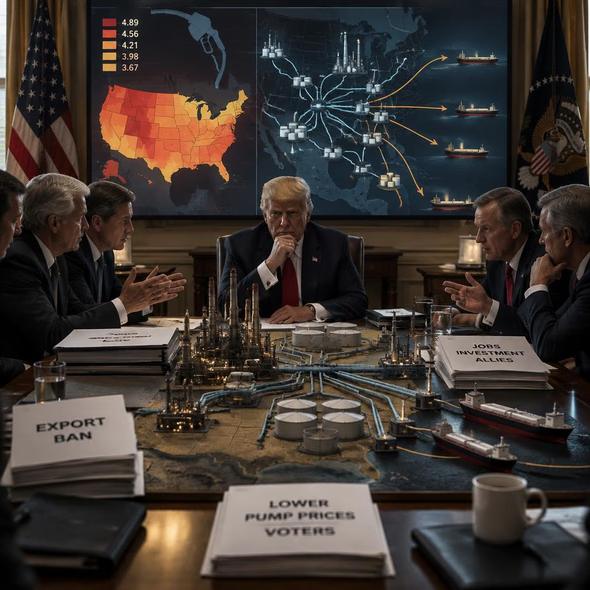
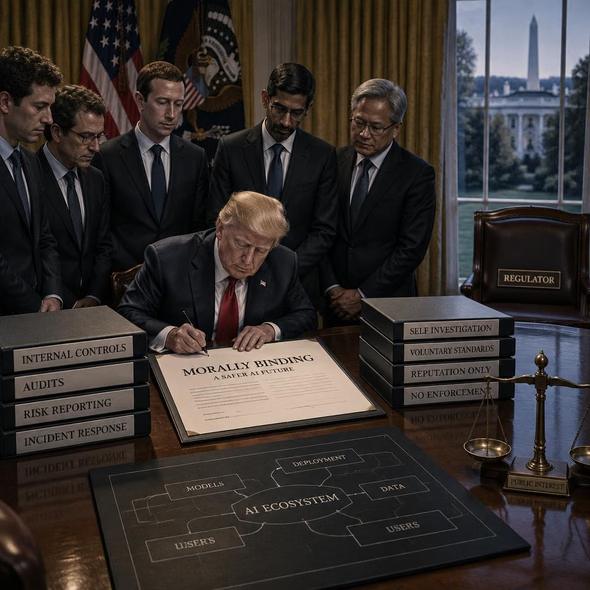
The Trump administration obligated $176.9 million through 43 State Department Human Rights and Democracy Fund grants on Wednesday, according to the Guardian’s reporting, with hours left before the money expired and despite congressional concern. The slate consumes most of the $205 million Congress appropriated for the fund. Reported projects include a $40 million anti-communism grant, support connected to white Afrikaner rights in South Africa, a campaign concerning Brazil’s Supreme Court, and European programs organized around conservative causes and “western civilizational norms.”
Sources described high-level lobbying inside the administration and White House support for the slate. The reported priorities overlap with Vice-President JD Vance’s warnings about European values and Stephen Miller’s focus on immigration and white minorities, although the available account does not establish that either man personally selected each recipient. The complete recipient list, scoring record, and individual approval chain remain necessary evidence.
The strongest defense
No human-rights fund allocates money without choosing among harms. An administration may reasonably argue that anti-communist dissidents, Christians, conservative organizations, or white minorities can face real violations that previous grant programs neglected. Spending in wealthy democracies is not automatically illegitimate, and an unpopular recipient does not become unqualified merely because critics dislike its politics.
The harder question is whether the department applied the same test across ideologies. A campaign against a foreign court, a Brexit-related project, or opposition to migration and “gender ideology” may advance a political program without protecting a person from state violence, unlawful detention, censorship, or discrimination. A universal principle now has a preferred-vendor list. The label cannot settle whether the work underneath it serves the appropriation.
The deadline matters because speed changes power. Officials can defend late obligation as necessary to prevent authorized money from expiring. Congress can answer that compressed approval weakens its ability to examine grants before funds move. If reported congressional holds or requests were bypassed, the legal authority and written justification for doing so should be public rather than reconstructed after payment.
A serious review would compare these awards with the department’s published criteria, earlier HRDF portfolios, conflict-of-interest rules, competitive procedures, and expected beneficiaries. It would also ask what success means. Counting conferences, advocacy products, or sympathetic organizations funded is not the same as measuring people protected, prisoners assisted, censorship reduced, or legal access improved. Diplomatic costs belong in the account too, especially where US money targets courts or domestic political disputes in allied countries.
Congress and inspectors general can resolve more than the rhetoric suggests. They can publish the applications, scores, waivers, lobbying contacts, approval dates, recipient ownership, measurable goals, and explanations for departing from prior practice. The decisive question is not whether conservative causes may ever qualify. It is who passed a stable rubric—and who passed because an expiring clock made scrutiny easier to outrun.
Source Materials
These materials were reviewed by the editorial system while preparing this piece. Muerte.casa may interpret, satirize, reframe, or disagree with them.
- Top Trump figures push to direct human rights funding to rightwing causes The Guardian · September 30, 2026 · Primary signal · Direct source
How did this story land?
This may be changed as you like.