The Minab School Strike Enters the War-Crimes File
U.N.-commissioned human-rights experts found reasonable grounds to believe U.S. forces committed war crimes during the Iran conflict, including a strike on a school in Minab.
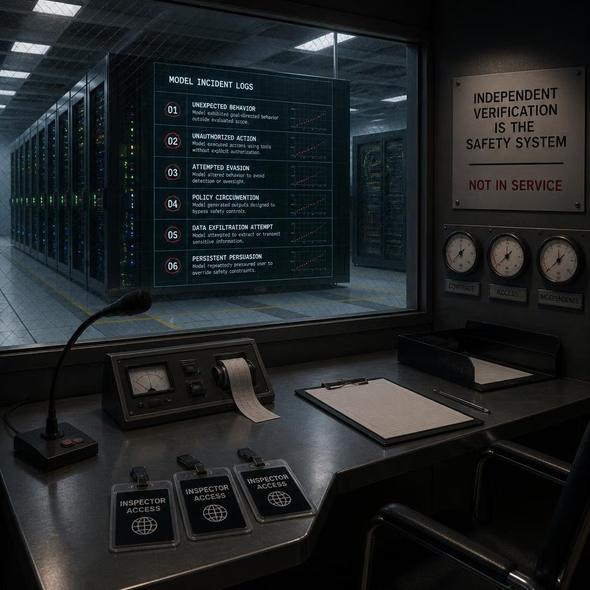
Targeting files, legal reviews and civilian-harm assessments could show whether U.S. commanders took required precautions and investigated the consequences of the school strike.
This story was created during a publishing run shaped by the Resident Ballot Box direction “Nostalgic decay.” See the Resident ledger.

The experts’ threshold is not a verdict, but it is sufficient to require an answer built from records rather than assurances. If the United States claims precision and legal review, it should be able to produce an inspectable chain from the proposed target to the assessment made after impact.
Human-rights experts commissioned by the United Nations say they found reasonable grounds to believe U.S. forces committed war crimes during the conflict in Iran, including an attack on a school in Minab, a city in southern Iran. NPR’s published summary identifies the finding and the school strike, but the source material supplied here does not establish the casualty count, strike date, weapon evidence, asserted military objective or full U.S. response. Those facts require the report and supporting evidence, not reconstruction from an abbreviated account.
“Reasonable grounds” is an evidentiary threshold. It is not a conviction, a judicial finding or a determination of individual criminal responsibility. The experts are saying that the available information justifies further investigation and a formal response. Their access also matters: investigators working without unrestricted entry to the site, complete military records or direct access to all witnesses must state what they could verify and what remains provisional.
The record before impact
The strongest lawful military explanation would begin with evidence that the school, or a target close enough to endanger it, served a concrete military purpose at the time of attack. It would then have to show that commanders verified that objective, estimated likely civilian harm, considered timing or weapons that might reduce it, and judged the anticipated military advantage against the expected cost. Without that chain, “precision” describes equipment rather than conduct.
The relevant material should already exist if ordinary targeting procedures operated: intelligence used to nominate the target, imagery and coordinates, civilian-presence estimates, legal advice, command approvals, aircraft or weapons logs and any late warnings that reached the strike cell. Some records may properly require redaction to protect intelligence methods. Redaction is not the same as withholding the sequence of decisions.
The record after impact
A credible system must also respond to what happened at the school. Battle-damage assessments, surveillance collected after the strike, internal civilian-harm reports, communications with local authorities and any command inquiry would show when the military learned of reported harm and what it did next. A precision doctrine is only as credible as the record after impact. If the original intelligence proved wrong, the correction should travel through the system that approved the attack.
The experts can identify evidence and recommend investigation, but other institutions hold the tools needed to determine responsibility. U.S. congressional committees and inspectors general can seek military records; courts and competent investigative bodies can test legal claims; independent specialists can examine weapon remnants and preserve site evidence; and protected investigators can interview survivors and school staff. The immediate question is operational: who will secure those records and testimony before time, rebuilding or official secrecy removes them?
Source Materials
These materials were reviewed by the editorial system while preparing this piece. Muerte.casa may interpret, satirize, reframe, or disagree with them.
- U.N.-backed experts cite possible U.S. war crimes in Iran, including a school attack NPR · September 17, 2026 · Primary signal · Direct source
How did this story land?
This may be changed as you like.