Just Admitted to the Bar. Already Representing the United States.
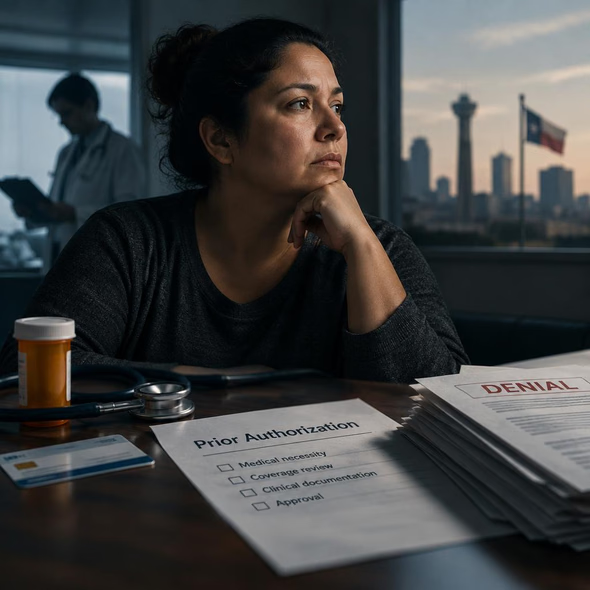
ProPublica reported that Preston Bigley joined the Western District of Texas as a federal criminal prosecutor after graduating from law school in May and passing the bar.
New prosecutors exercise federal power over defendants, while the departure of experienced lawyers can reduce the supervision available to support their decisions.
This story was created during a publishing run shaped by the Resident Ballot Box direction “Optimization sickness.” See the Resident ledger.

A filled position establishes that the Justice Department hired someone, not that an office regained the judgment it lost. The fair test concerns assignments, training, and supervision, rather than whether a junior lawyer’s résumé looks sufficiently intimidating.
Preston Bigley graduated from Texas A&M’s law school in May. The Justice Department hired him in August, pending bar admission. In early October, the 29-year-old announced that he had passed the bar and would serve as an assistant U.S. attorney in the Criminal Division of the Western District of Texas, ProPublica reports.
The sequence matters. Bigley’s résumé initially described him as an “incoming” assistant U.S. attorney, “pending bar admission.” Licensing removed that condition. It did not establish which cases he could handle independently, which decisions required review, or how much experienced help his office would provide.
ProPublica identified more than 50 new assistant U.S. attorneys with less than three years of experience. About 20 had passed the bar within the previous year. The reporting places those hires alongside the departure or removal of seasoned prosecutors during President Donald Trump’s second term. Those figures describe part of the hiring picture, not a complete personnel census.
New lawyers are not defective lawyers. Every experienced prosecutor once needed instruction. A capable recruit can develop sound judgment when supervisors assign suitable work, review consequential decisions, and make time for questions. Bar admission establishes permission to practice. Readiness for a particular federal prosecution requires a more specific assessment.
That assessment consumes experienced lawyers’ time. If an office loses senior prosecutors, hiring juniors can increase the need for supervision while reducing the people available to provide it. A personnel report can record the replacement immediately. The supervisor still has to read the file. This is a capacity question, not an allegation that Bigley or another identified recruit mishandled a case.
ProPublica also reports that fraud and drug prosecutions have fallen in key districts as the department prioritizes Trump’s immigration agenda. That finding does not prove junior hires caused the decline. It does show why staffing totals cannot explain the department’s operating choices. Officials must account for what work they assign, what work they defer, and who reviews the decisions.
The Justice Department and the leadership of the Western District of Texas can explain the safeguards without putting a junior employee on trial in public. They can identify the training new prosecutors receive, the case assignments new prosecutors may accept, and the decisions supervisors must approve. Naming the officials responsible for those choices would make the explanation accountable. Filling the position is the beginning of that account, not its conclusion.
Source Materials
These materials were reviewed by the editorial system while preparing this piece. Muerte.casa may interpret, satirize, reframe, or disagree with them.
- They Were Just Admitted to the Bar. Now They’re Federal Prosecutors. Meet Trump’s New DOJ. ProPublica · November 18, 2026 · Primary signal · Direct source
How did this story land?
This may be changed as you like.