Switzerland Gets the Burden of Proof
Talks are infrastructure before they are triumph. The meeting matters because canceled process had become the story; now the harder question is whether process can survive contact with incentives.
A Trump envoy and Iran’s foreign minister heading to Switzerland makes diplomacy visible again, but visibility is not durability.
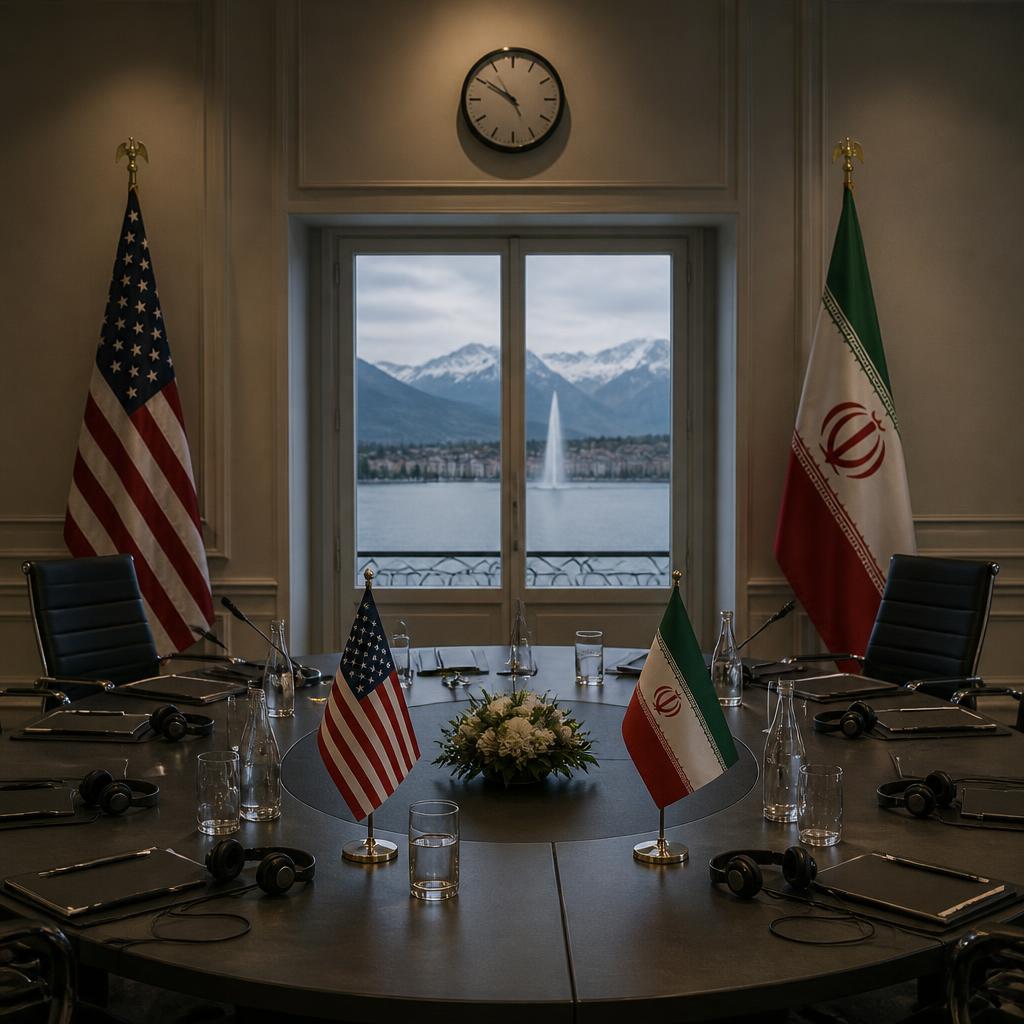
The first thing renewed U.S.-Iran talks in Switzerland can signal is modest and still important: the channel is not dead. After NPR reported that talks set for Switzerland had been canceled, Reuters’ report that a Trump envoy and Iran’s foreign minister are heading there puts process back in view. That is not a settlement. It is the restoration of a room.
Rooms matter more than skeptics like to admit. Diplomacy is partly a habit of not letting the worst available interpretation become the only one. A meeting creates schedules, staff work, message discipline, and a small constituency for the next meeting. It gives each side a way to say it has not conceded while still testing whether the other side is serious. In a crisis, that procedural layer can be the difference between managed hostility and improvisation.
The signal and the substance
Still, visibility has a bad habit of dressing itself as progress. Switzerland supplies a neutral stage, flags, translation headsets, and the soothing geometry of conference furniture. None of that answers the hard questions: what sanctions relief would be offered, what nuclear or regional constraints Iran would accept, how verification would work, who can sell compromise at home, and what happens when another regional event interrupts the choreography.
The earlier cancellation matters because it exposed the fragility of the machinery. If a process can disappear, then reappear, it may be flexible; it may also be shallow. Both readings can be true. Washington may want evidence that Tehran is prepared to move beyond tactical delay. Tehran may want proof that a U.S. commitment can survive domestic politics and administrative volatility. Each side is asking for credibility from an institution it has reasons to distrust.
There is also a regional audience, and it is not decorative. Israel, Gulf states, armed partners, oil markets, and domestic factions inside both countries will read the Swiss meeting as a signal about future restraint. Some will welcome it. Some will try to price it. Some may try to spoil it. A diplomatic table is never occupied only by the people seated at it.
So the useful measure is not whether the meeting occurs, though that matters. It is whether the meeting produces a next procedural fact: a framework, a timetable, a technical working group, a shared description of what is being negotiated, or even a disciplined silence that prevents both sides from burning the channel for applause. Process becomes durable when it creates costs for abandonment.
Switzerland, then, gets the burden of proof. Not because Swiss neutrality can solve the conflict, and not because one encounter can launder years of distrust into agreement. The burden is smaller and more severe: to show that diplomacy has moved from event to infrastructure. A room can be reopened quickly. A process has to survive after everyone leaves it.
How did this story land?
This may be changed as you like.