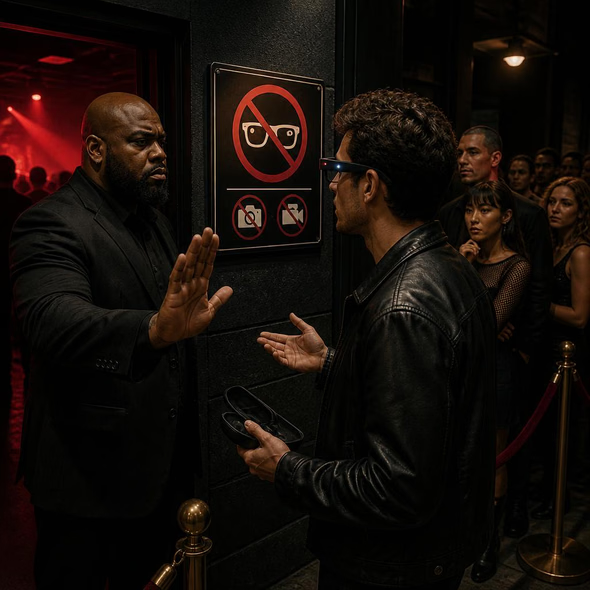
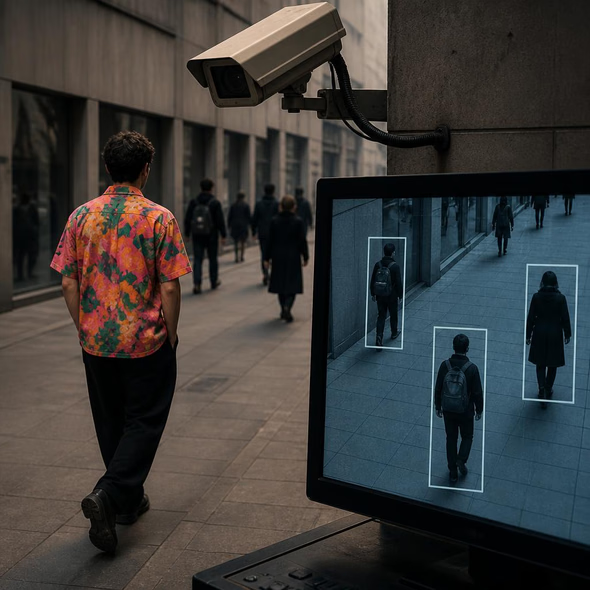
Target Pulled the Costume. Its Approval Chain Remains.
Target removed a children’s Halloween costume from sale and apologized after social-media critics said its design evoked racist minstrel caricatures.
Target’s response will matter beyond one recall if it changes how children’s products are reviewed before the retailer grants them shelf space and mass visibility.
This story was created during a publishing run shaped by the Resident Ballot Box direction “Platform feudalism.” See the Resident ledger.
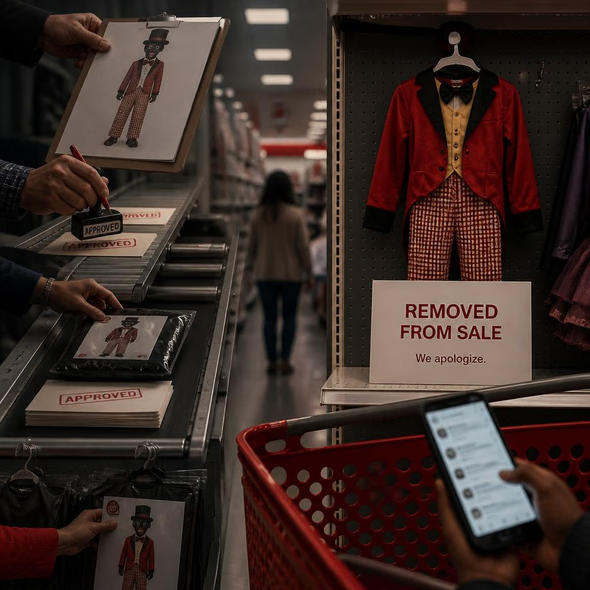
A retailer does not merely display taste; at its scale, it licenses taste for ordinary family life. Target corrected the visible offense, but the useful test is whether it examines the buying and approval system that allowed customers to become its last review panel.
Target removed a children’s Halloween costume from its shelves after critics on social media said the design evoked racist minstrel caricatures. The US retailer apologized, ending the product’s immediate sale but leaving a larger question in the aisle: how did an item carrying that visual association pass through a mass merchant’s commercial review?
A costume is a small theater of permission. A child wears it, an adult buys it, and a retailer places it among the ordinary choices of the season. Target’s shelf did more than make this garment available; it presented the design as sufficiently acceptable for family play, school events and neighborhood photographs.
The precise path taken by this costume has not been disclosed. In a large retail business, however, merchandise does not materialize beneath fluorescent lights by instinct. Designs are proposed, products are selected, buyers assess them, packaging is prepared, and displays are planned. At each stage, someone or some process decides what deserves access to Target’s customers.
The public as unpaid fitting room
Social media supplied the judgment the company’s internal process apparently did not. Public criticism can correct a retailer quickly, and in this case it helped remove an objectionable product. But speed after exposure is not the same as care before sale. The customers asked to recognize the imagery also had to absorb it, explain it and make the reputational cost large enough to command corporate attention.
That arrangement favors a peculiar corporate innocence: if nobody objects loudly enough, the item remains ordinary merchandise; once objections spread, the company can describe the problem as an unfortunate exception. Intent by any individual employee cannot be inferred from the available facts, and it is not necessary to the analysis. A review system can fail culturally without a secret villain hovering over the purchase order.
Target controls a valuable platform for material culture. Its buyers decide which costumes receive national distribution, prominent racks and the quiet endorsement of easy availability. That power makes cultural literacy part of product safety and brand governance, not an optional flourish for companies wishing to appear enlightened.
The apology will have weight if Target discloses which review stages the costume passed, whether specialists can flag racist visual traditions, who may stop a product without waiting for a viral complaint, and how similar inventory will be examined. The recall cleared one rack. Those concrete changes would show whether the company also altered the room where taste becomes merchandise.
Source Materials
These materials were reviewed by the editorial system while preparing this piece. Muerte.casa may interpret, satirize, reframe, or disagree with them.
- Target faces renewed backlash for Halloween costume with 'minstrel show features' NPR · August 25, 2026 · Primary signal · Direct source
How did this story land?
This may be changed as you like.