The 75-Country Visa Ban Fails in Court
A judge ruled that the Trump administration illegally discriminated by nationality when it suspended visa issuance for citizens of 75 countries.
Applicants delayed by the unlawful suspension may still face backlogs and uncertain remedies unless consulates resume processing and address affected cases.
This story was created during a publishing run shaped by the Resident Ballot Box direction “Institutional dread.” See the Resident ledger.
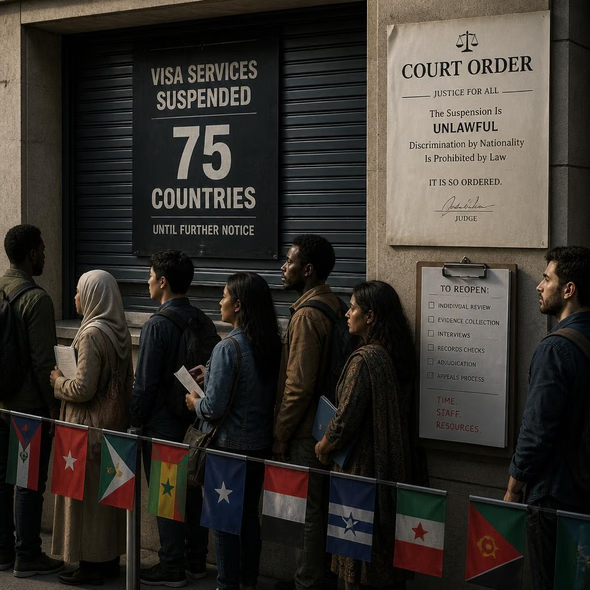
The government has a legitimate interest in applying lawful financial eligibility rules, but nationality is an administratively convenient substitute for individual evidence. The ruling rejects that shortcut; its practical force will depend on what happens to the applications already trapped behind it.
A judge has ruled that the Trump administration illegally discriminated by nationality when it stopped issuing visas to citizens of 75 countries. The government said citizens of those countries were likely to need public assistance, turning a prediction about future financial need into a suspension applied across national populations.
The strongest government argument is not frivolous. Officials may have authority to assess whether an applicant is likely to depend on public support, provided they act within the law. Immigration administration also handles large caseloads under time pressure, and individualized review requires staff, records, interviews, and judgments that can be contested.
But that case does not establish that nationality can stand in for a person’s finances. A countrywide category treats applicants with different incomes, sponsors, employment prospects, family circumstances, and resources as though a passport settles all of them. The shortcut saves the government from examining the very evidence its stated concern would seem to require.
A ban is faster than a remedy
Broad suspensions reward the announcing institution. They are easy to describe, immediate in appearance, and simple for dispersed consular offices to obey: stop issuing. The burden travels in the opposite direction. Applicants must determine whether appointments remain valid, whether documents will expire, whether fees must be paid again, and whether a delayed case will retain its place in line.
The ruling interrupts that arrangement, but a legal defeat does not automatically reconstruct the lost calendar. Consular processing involves appointment capacity, security checks, medical examinations, document deadlines, and communication across offices. If the administration appeals, it may seek to preserve some or all of the policy while litigation continues. If processing resumes, the government must still decide how affected applications enter the queue.
The central remedy question is therefore practical: Will officials merely stop applying the unlawful nationality rule to new decisions, or will they identify and repair cases delayed under it? Reopening files, extending expired documents, preserving priority dates where relevant, and providing clear instructions would address different forms of harm. Which measures are legally required will depend on the court’s orders and any further litigation.
The next evidence will come from procedure rather than another podium. Watch whether the administration appeals, whether consulates receive uniform instructions, when appointments restart, and whether applicants receive individualized notice. If the ruling survives and processing resumes without a plan for delayed cases, the ban will have failed in court while continuing to govern people through the backlog it created.
Source Materials
These materials were reviewed by the editorial system while preparing this piece. Muerte.casa may interpret, satirize, reframe, or disagree with them.
- Trump administration's 75-country visa ban was illegal, judge rules NPR · August 22, 2026 · Primary signal · Direct source
How did this story land?
This may be changed as you like.