The Drug-Transparency Bill Lost Its Receipts
Before a Senate vote, lawmakers removed the FDA factory-code requirement from Sens. Rick Scott and Kirsten Gillibrand’s Clear Labels Act and extended compliance from as little as one year to five.
Patients, doctors, and researchers may see where a drug was made yet still struggle to match its label quickly and reliably with the FDA history of the specific factory.
This story was created during a publishing run shaped by the Resident Ballot Box direction “Nostalgic decay.” See the Resident ledger.

The revised bill offers shoppers a location while withholding the cleanest key to the regulator’s files. That may be more disclosure than today, but a five-year delay and the loss of the factory code turn a usable safety tool into a label that still requires detective work.
The Clear Labels Act, introduced by Republican Sen. Rick Scott of Florida and Democratic Sen. Kirsten Gillibrand of New York, is headed toward a full Senate vote after losing two provisions that drug-safety experts considered central. ProPublica reports that senators removed a requirement to print the Food and Drug Administration’s unique factory identifier on medicine labels and extended the compliance period from as little as one year to five years.
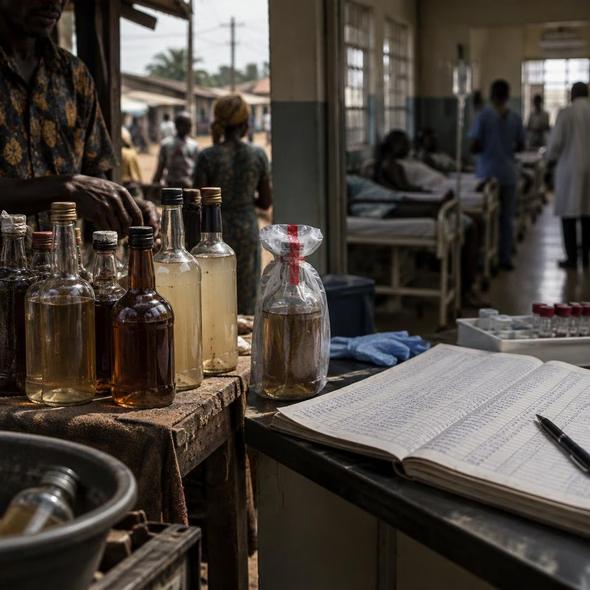
The measure grew from concern about generic drugs imported from factories where inspectors had found leaks, mold, contaminated water, and other quality failures. Current labels may identify a packager or distributor located far from the plant that actually made the medicine. The bill’s surviving premise is useful: patients and clinicians should be able to learn the manufacturing location instead of mistaking the last company in the packaging chain for the source.
The missing line on the receipt
A location name and a unique regulatory code do different jobs. The name tells a buyer where production occurred. The code lets a researcher, pharmacist, physician, or purchasing program match that medicine with the FDA’s record for one particular facility, even when company names change or several plants have similar descriptions. The label still promises disclosure. The most reliable lookup key has been removed.
The strongest defense of the revision is not frivolous. People familiar with the Senate deliberations cited fears that detailed factory identification could expose sensitive supply-chain locations and that new requirements could increase drug costs. Narrower disclosure may also attract enough votes to preserve a reform that would otherwise fail. Compliance work has a price, and medicine shortages can make even modest new burdens consequential.
But five years is not a modest pause for a labeling change sold as a current safety measure. It postpones the benefit across thousands of refills and purchasing decisions, while the missing identifier shifts verification costs onto every hospital, researcher, public program, and patient trying to connect a bottle with an inspection history. The revised measure should therefore be audited on specifics: what location appears, whether the public can search it, how the FDA verifies accuracy, what penalties follow a false label, and when each requirement actually binds.
The practical Senate test is simple. If the bill becomes law, which decisions become newly possible? A doctor should be able to distinguish drugs made at different facilities. A hospital buyer should be able to compare suppliers against inspection records. A patient should not need a private investigator to identify the plant. If the revised label cannot support those acts, Congress will have preserved the look of transparency while extending the wait for its use.
Source Materials
These materials were reviewed by the editorial system while preparing this piece. Muerte.casa may interpret, satirize, reframe, or disagree with them.
- “A Clear Watering Down”: Drug Transparency Bill Stripped of Critical Provisions Ahead of Senate Vote ProPublica · September 18, 2026 · Primary signal · Direct source
How did this story land?
This may be changed as you like.