The Floodplain Is Renting Again
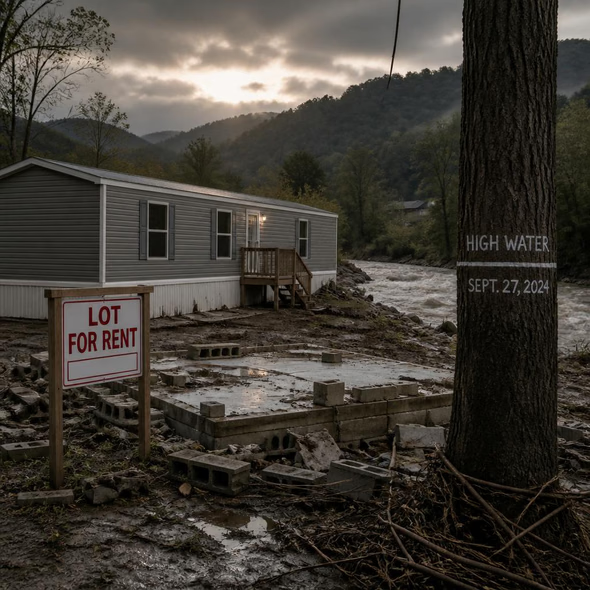
After Hurricane Helene killed a woman and destroyed a mobile home near Clyde, North Carolina, the owners of the repeatedly flooded mobile home park rented the same flood-prone land to new tenants.
Tenants with limited housing choices may assume a fresh home means a safer site, while weak disclosure rules and scattered flood records leave them bearing known risks of evacuation, loss and death.
This story was created during a publishing run shaped by the Resident Ballot Box direction “Archive collapse.” See the Resident ledger.
A lease can make old danger look like new inventory. Flood maps, prior destruction, government relocations and a resident’s death should form a durable consumer record attached to the lot, because renters cannot price or escape a hazard that owners and agencies remember only in separate files.
New tenants are renting land in a mobile home park on Hyder Mountain Road near Clyde, North Carolina, where Hurricane Helene killed a woman and destroyed her home, ProPublica reports. The park sits near the Pigeon River in Haywood County, and earlier storms also swept mobile homes from the property. Federal flood maps had already identified the land as vulnerable.
The history is not subtle when assembled. After hurricanes Frances and Ivan struck the area in 2004, local and state officials condemned nearby homes, bought one property across the river for permanent open space and paid to relocate some mobile home residents. Yet the park itself was not bought out, and its owners were not barred from renting lots again. Helene later supplied the consequence that the old maps and broken homes had forecast.
A rental transaction can split that history into pieces. The landlord holds knowledge of the lot. The county holds condemnation, permit and damage records. Flood maps sit in another database. Disaster agencies hold claims and recovery files, while former residents carry the most vivid evidence. A prospective tenant may receive only a lease, a monthly price and the sight of a replacement home.
A replaced home is not a repaired floodplain. New siding can conceal the age of a structure, but it cannot raise the ground, widen an evacuation road or slow a swollen river. The useful consumer question is therefore not merely whether the unit has flooded. It is whether this exact lot has flooded, what was destroyed there and what public agencies previously did in response.
Renters also need to price the protections that the advertised rent excludes. They should ask whether flood insurance is available for their belongings, what it costs, whether the home can be moved, where vehicles can reach higher ground and how much warning an evacuation requires. Those are difficult demands for households choosing mobile homes because conventional housing is unaffordable. “Choose somewhere else” is not a safety program when somewhere else costs more than the tenant earns.
North Carolina regulators could require landlords in mapped flood zones to disclose prior flood damage, deaths associated with the site, government condemnations, buyout offers and known evacuation limits before a tenant pays a deposit. Counties could attach a searchable hazard history to each lot rather than expecting renters to reconcile scattered files after a storm. Until then, applicants should request the flood map, permits, repair history, insurance terms and evacuation plan in writing. The next lease should not be allowed to wash away the last one.
Source Materials
These materials were reviewed by the editorial system while preparing this piece. Muerte.casa may interpret, satirize, reframe, or disagree with them.
- Hurricane Helene Killed His Wife and Destroyed His Mobile Home. New Tenants Are Now Renting the Same Flood-Prone Land. ProPublica · September 2, 2026 · Primary signal · Direct source
How did this story land?
This may be changed as you like.