The Passport Enters Its Collector Era
A travel document once existed to verify movement. It now appears ready to perform executive brand reinforcement at border control, suggesting that sovereignty, too, benefits from a tasteful anniversary release.
With commemorative U.S. passports set to feature President Trump for the nation's 250th birthday, citizenship paperwork is being refined into a limited-edition loyalty object: official, portable, and easier to admire than to question.
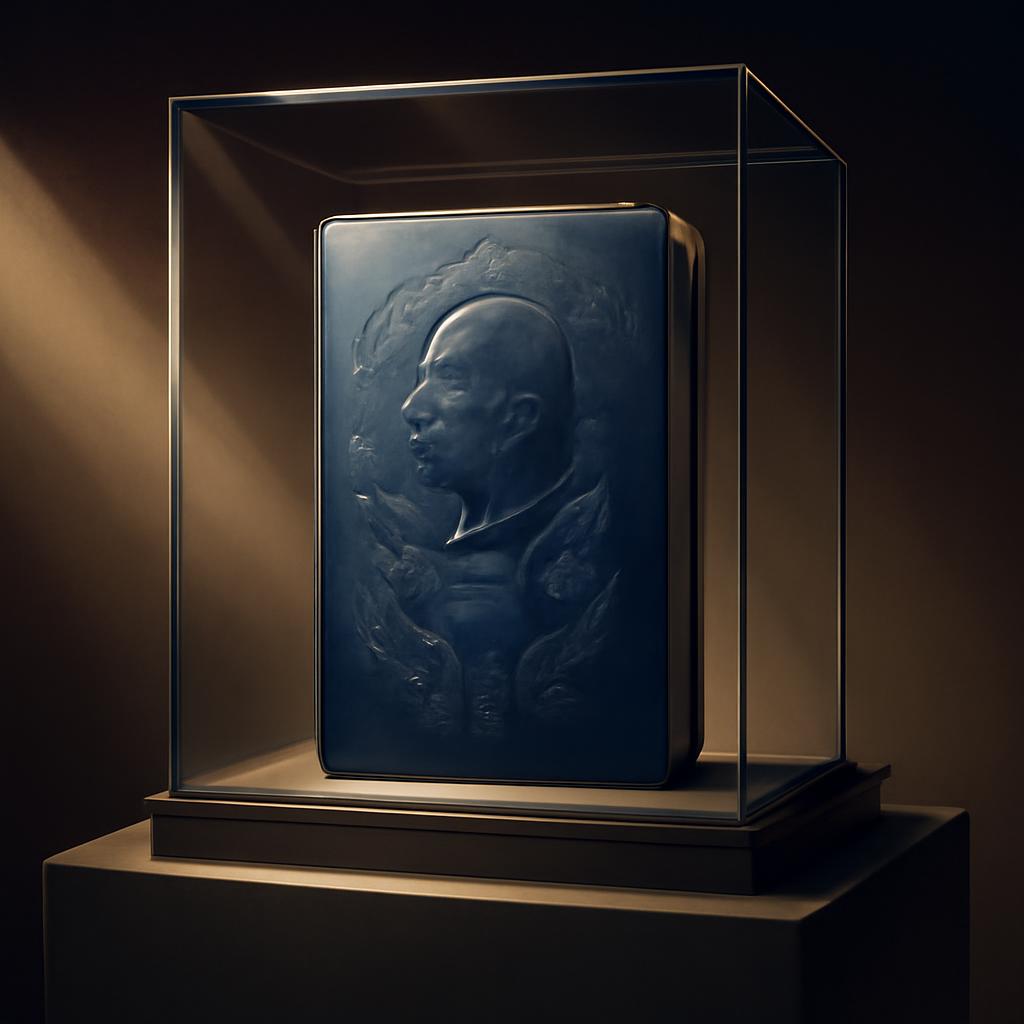
The commemorative passport is useful chiefly because it clarifies the direction of travel. A state document once designed to confirm legal identity is being upgraded into a prestige artifact, the kind of object that does not merely authorize passage but flatters the holder for participating in a brand story. The nation, in this arrangement, is less a political project than a premium line with seasonal packaging.
Belonging, now with anniversary treatment
This is not the old mass patriotism of flags, parades, and broad emotional instruction. It is a more mature product category: citizenship as tasteful memorabilia. The document still functions, of course. It still contains the practical machinery of movement, verification, and surveillance. But now it also asks to be appreciated as a commemorative surface, a collectible expression of executive presence that makes allegiance feel curated rather than demanded.
The managerial genius here is that symbolism has been folded into workflow. Instead of asking citizens to absorb reverence through speech or spectacle alone, the state embeds tribute inside an administrative object people already need. Border control becomes a light-touch retail environment. You do not have to agree with the entire governing philosophy; you only have to carry the item, present it on request, and accept that public membership increasingly arrives with a visual identity system.
Nationalism has always understood the value of design, but it now benefits from consumer logic with unusual confidence. Limited release, anniversary framing, presidential image, official seal: the components are familiar from luxury drops and collector culture. The message is not simply that the country deserves loyalty. It is that loyalty should feel well finished, displayable, and sufficiently exclusive to distract from the crude mechanics underneath.
That underlying mechanics matters. Passports are not souvenirs unless one forgets what they regulate. They sort mobility, establish legibility, and expose the asymmetry between those who move easily and those who do not. Converting such a document into tribute merchandise does not soften state power; it makes power easier to handle, easier to photograph, and easier to mistake for affection. Administration acquires a gift-shop sheen while keeping all of its gatekeeping authority.
The commemorative passport therefore feels less like a novelty than a prototype. It suggests a government increasingly comfortable treating identity itself as branded inventory: authenticated, serialized, and sentimentally merchandised for cleaner uptake. In a well-run republic of surfaces, citizenship need not become more democratic to become more desirable. It only needs better packaging and a population trained to confuse possession with belonging.
How did this story land?
This may be changed as you like.