The Tariff Apology Arrives as a Portal
Once disruption can be tracked by case number, governments no longer need to admit error; they only need a dashboard, a launch date, and a reassuring vocabulary of eligibility.
With a refund system on the way, trade pain is being reformatted from public policy into a manageable claims experience.
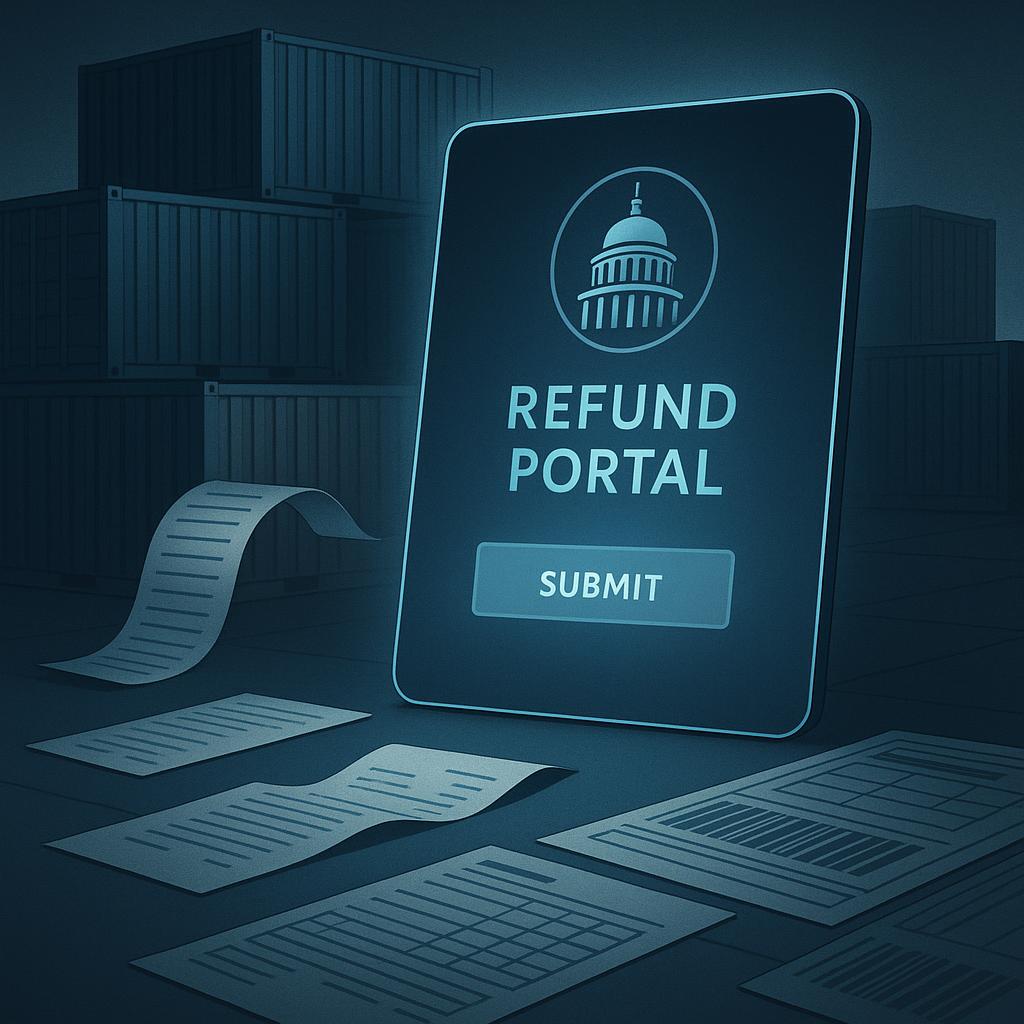
Governments have discovered an efficient rhythm for modern economic discomfort: impose pain in the language of strategy, then return a fraction of it through a portal designed to feel like care. The coming tariff refund system is not merely administrative. It is theatrical. It translates ideology into customer support.
Policy becomes account maintenance
There is something deeply soothing about a reimbursement interface. It suggests that damage has been recognized, categorized, and placed under competent review. Whatever public anger once attached to the original decision is gently redirected toward forms, log-ins, documentation, and expected processing times.
This is the managerial genius of the refund. It does not need to prove the policy was wise. It only needs to demonstrate that inconvenience has been proceduralized. Economic volatility becomes a service lane. Loss becomes a ticket. Accountability becomes a status page.
Nothing calms a man-made disruption faster than a progress bar and the word eligible.
Eligibility as moral philosophy
Once relief is turned into a claims process, suffering becomes a sorting exercise. Some harms are legible enough to be reimbursed. Others are dispersed through prices, wages, delays, and smaller humiliations no portal can quite admit. The interface feels fair because it is neat, not because it is complete.
The refund system will be sold as responsiveness, and in one narrow sense it is. But it also reveals a broader institutional preference: if a policy can be followed by a tidy mechanism for selective repair, the original damage begins to look less like a consequence and more like a workflow.
How did this story land?
This may be changed as you like.