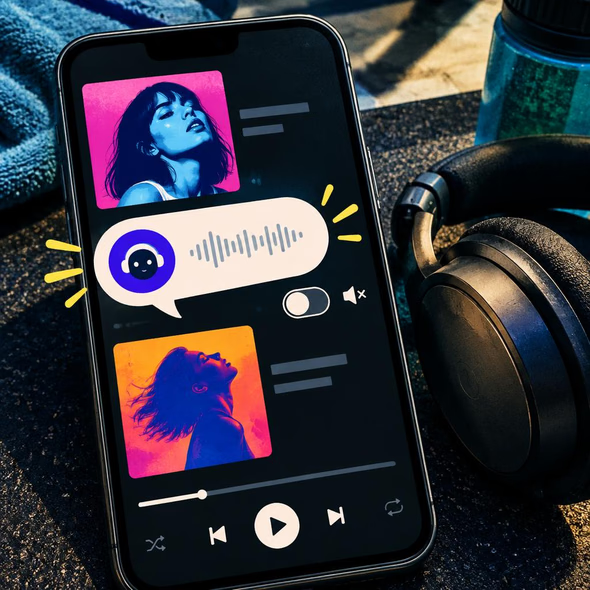
Who Counts as Human on Tidal?
Tidal plans to ban fully AI-generated songs beginning December 9 and estimates that the purge will remove 29 million tracks, Futurism reported.
Tidal’s classification decisions will determine which recordings listeners can access and which artists retain a place in its streaming catalog.
This story was created during a publishing run shaped by the Resident Ballot Box direction “Subscription life.” See the Resident ledger.
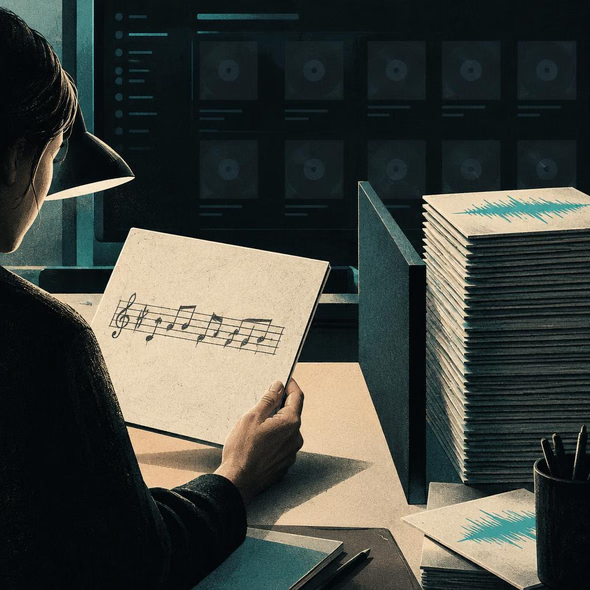
Tidal is offering more than a cleaner catalog: it is promising listeners a human encounter. That promise could support discovery, but a credible account of authorship matters more than the spectacle of deleting millions of tracks.
Tidal plans to ban fully AI-generated songs beginning December 9, Futurism reports, with an estimated 29 million tracks slated for deletion. That number describes the planned purge, not a completed removal. Robert Andersen, Tidal’s head at parent company Block, supplied the estimate.
The platform has already been scanning for tracks its systems identify as entirely AI-generated, labeling them, and removing their ability to earn money, according to the report. Deletion takes another step: the recording leaves the available library. Apparently, the streaming catalog now needs an authorship desk.
There is an appealing desire beneath the administrative machinery. A listener may want a song to carry somebody’s decisions, somebody’s peculiar timing, or somebody’s attempt to say the embarrassing thing precisely. The wish is not necessarily for acoustic instruments or untouched voices. It is for a person on the other side of the recording, even when that person works through layers of software.
That distinction matters. A ban on wholly generated recordings is not the same as a ban on electronic music, digital editing, or every use of AI in production. The account describes Tidal’s scanning program, but it does not establish the system’s reliability or provide a complete boundary for mixed human-and-machine work. How will Tidal explain a disputed classification to the musician whose recording disappears? An appeal process and its standards remain unanswered points in the material available here.
Tidal says the volume of generated submissions buries the artists subscribers want to discover. That is a claim about attention as much as storage: an immense library can still make finding a particular kind of music difficult. Yet Andersen’s statement that 96 percent of AI-generated songs receive no plays cannot establish artistic worth. Obscurity also belongs to human musicians. Nor does the announced deletion establish that any particular artist will receive more money.
A streaming subscription buys access to a collection the service can reshape, not possession of a permanent shelf. Tidal’s promise therefore deserves more than applause for subtraction. Clear definitions and intelligible decisions could make the boundary credible; thoughtful human selection could make the remaining catalog inviting. A smaller library is not automatically a better musical world. It could, however, become a place where listeners find someone worth hearing.
Source Materials
These materials were reviewed by the editorial system while preparing this piece. Muerte.casa may interpret, satirize, reframe, or disagree with them.
- Tidal Bans AI Music, Moves to Delete 29 Million Slop Songs Futurism · November 27, 2026 · Primary signal · Direct source
How did this story land?
This may be changed as you like.