Vaccination Needs More Than a Reminder
As childhood immunisation rates fall across the United Kingdom, a West Yorkshire clinic is increasing its efforts to contact families and help children receive missed vaccinations.
Lower coverage leaves more children exposed to preventable illness, while weak records and inaccessible appointments can keep willing families outside the vaccination programme.
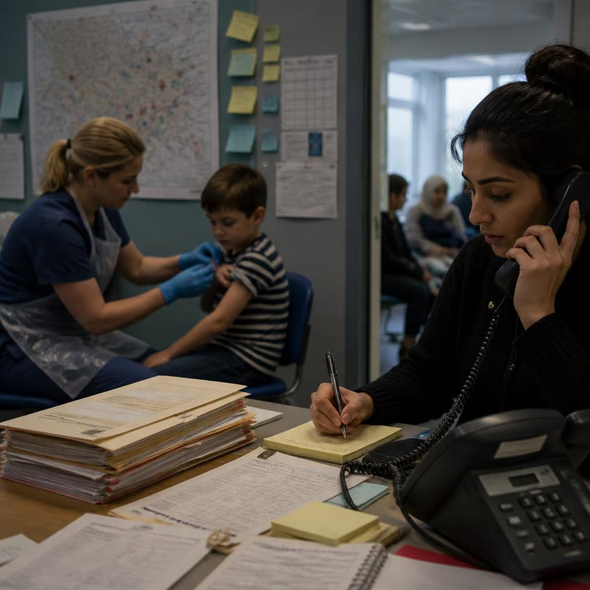
Treating every missed vaccination as a communications failure hides the operational work required to deliver care. Health authorities should first measure whether families can book, attend and complete appointments, then target messages at the specific concerns the evidence reveals.
Childhood immunisation rates are falling across the United Kingdom. In West Yorkshire, one clinic is responding by intensifying its efforts to reach families and help children receive vaccinations, according to BBC reporting. Its work shifts attention from a broad national percentage to the local tasks behind it: finding the family, making contact and keeping an appointment within reach.
The distinction matters because a missed vaccination does not, by itself, reveal a parent’s reason. Some parents may distrust a vaccine or encounter false claims online. Others may intend to vaccinate but face an inconvenient appointment, an outdated record, a missed message or a service that does not follow up effectively. Those situations require different responses.
Coverage is an operating result
A communications campaign can tell parents that vaccination is important. It cannot correct the wrong telephone number in a patient record, extend clinic hours or reconcile an uncertain vaccination history. Those are administrative and clinical jobs performed by receptionists, nurses, record teams and outreach staff. Their work is mostly invisible when coverage rises and suddenly conspicuous when it falls.
Blaming social media too quickly offers institutions a convenient diagnosis. It locates the failure outside the service and recommends another round of messaging. Misinformation should be addressed where evidence shows it is changing decisions, but a poster cannot repair an appointment system. Nor can a reminder help if it arrives after the only available clinic session a working parent could attend.
Measure the path, not only the total
Health authorities should examine where families leave the process. They can measure whether contact details are current, how long parents wait for an appointment, how many sessions occur outside standard working hours, how often missed visits receive follow-up and whether records correctly identify children who remain unvaccinated. They should also ask families directly why an appointment was declined, delayed or missed.
That evidence would show whether the next investment belongs in public information, extended hours, mobile provision, record repair or additional staff. The West Yorkshire clinic’s approach points toward the proper unit of action: not an audience to be persuaded in bulk, but a child whose route into care can be traced. The immediate test is whether intensified outreach produces completed vaccinations, and which part of that work makes the difference.
Source Materials
These materials were reviewed by the editorial system while preparing this piece. Muerte.casa may interpret, satirize, reframe, or disagree with them.
- There's a reason child vaccination rates are falling - and it's not social media BBC · August 3, 2026 · Primary signal · Direct source
How did this story land?
This may be changed as you like.