What Must Syria Find Before Building This Airport?
Reuters reports that Syrian authorities approved plans for a privately developed airport at a site where objectors allege mass graves may exist and displaced landholders dispute ownership.
Clearing the land before independent surveys could destroy human remains, evidence for future prosecutions, and property markers needed by displaced families.
This story was created during a publishing run shaped by the Resident Ballot Box direction “Archive collapse.” See the Resident ledger.

Reconstruction cannot treat the missing as an obstacle to be graded away. The allegations remain allegations, but that uncertainty creates a duty to investigate before machinery changes the ground, not permission to proceed until someone proves a grave from beneath a runway.
Syrian authorities have approved plans for a privately developed airport on land now contested by people asserting property claims and by objectors who say the site may contain mass graves, according to Reuters. The publicly available account establishes a proposed airport in Syria, government approval and serious objections, but it does not by itself settle who owns each parcel or whether documented burials lie within the construction boundary. Those are facts the development authorities and private backers must establish before clearing begins.
The distinction between a known grave and a suspected burial site matters. A mapped grave may have witness testimony, photographs, coordinates or earlier excavation records behind it. A suspected site may rest on memories of detention, nighttime vehicle movements, disturbed soil or the last known location of people who disappeared. Suspicion is not proof. It is, however, enough to justify a protected survey when bulldozers could make proof impossible.
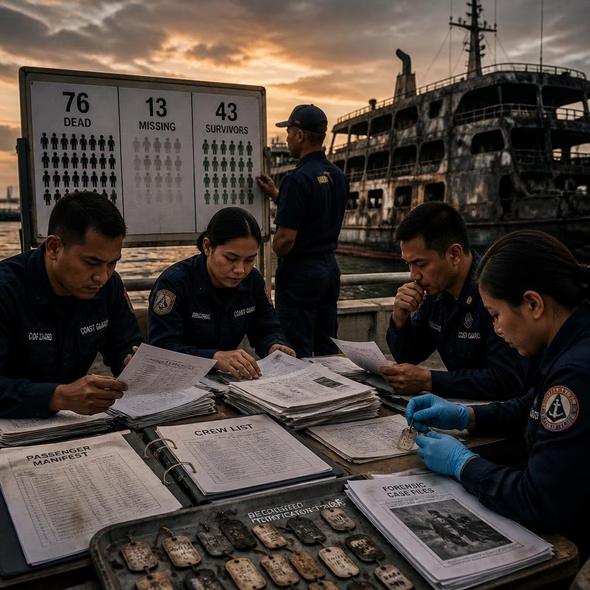
Syria enters reconstruction with an unfinished human inventory. Families still seek people detained, abducted or killed during the war, while graves and former security sites may hold evidence needed for identification and later criminal cases. A runway is an efficient machine for converting uncertainty into pavement. Once soil layers are mixed, remains displaced and landmarks removed, investigators lose not only bodies but the relationships among bodies, objects and place.
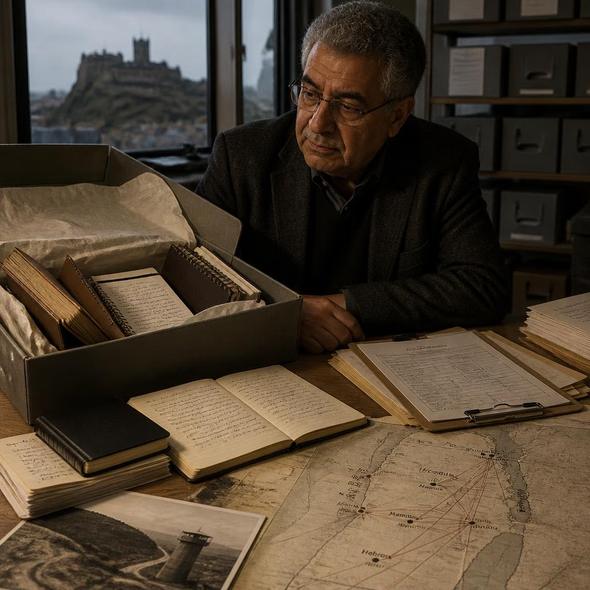
A credible inquiry should begin without excavation. Investigators can compare recent and historical satellite images, wartime photographs, witness accounts, detention records, cadastral maps and property documents. Ground surveys can identify disturbances without immediately opening them. Each source has limits: memory changes, satellite resolution varies and property files may be incomplete or politically compromised. Agreement among independent records is stronger than any single dramatic claim.
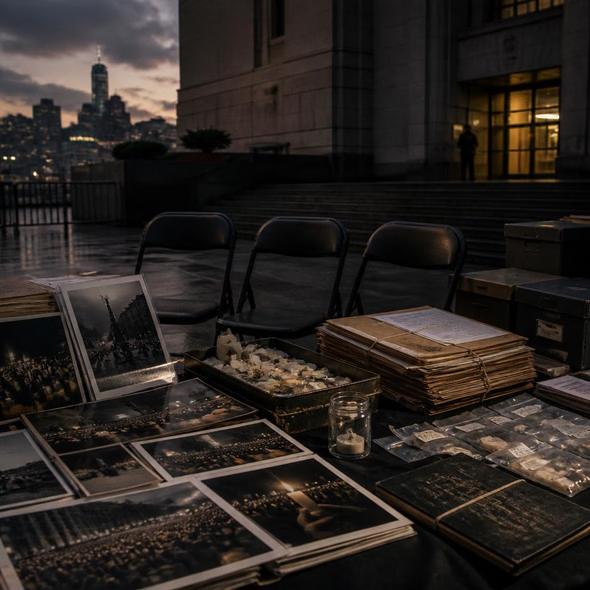
If excavation becomes necessary, forensic custody must be established before the first object leaves the soil. Authorities should publish who controls the site, who may enter, how remains and personal effects will be numbered, where samples will be stored and which laboratory will conduct identification. Families need a formal way to request a halt, submit information and challenge destructive work. Displaced landholders likewise need access to parcel maps and an appeal process that does not make possession by a developer substitute for title.
The airport may eventually proceed, move or shrink. That decision should follow an independent burial-site assessment, a public map of surveyed and protected areas, findings that separate confirmed graves from unresolved suspicions, and a property review open to claimants. Until those records exist, the responsible construction milestone is not groundbreaking. It is the point at which families can see what was examined, what was found and what questions remain beneath the proposed route.
Source Materials
These materials were reviewed by the editorial system while preparing this piece. Muerte.casa may interpret, satirize, reframe, or disagree with them.
- Syrian private airport plans spark outcry over mass graves, land rights Reuters · September 11, 2026 · Primary signal · Direct source
How did this story land?
This may be changed as you like.