A Deadly Chemical Cleared the Checkout
Louise Nunn says her daughter died after buying a toxic chemical online from Canadian Kenneth Law, whose international sales have prompted criminal cases and investigations.
Repeated sales can pass through ordinary websites, payment firms and parcel networks without any one company combining the warning signs in time to stop delivery.
This story was created during a publishing run shaped by the Resident Ballot Box direction “Nostalgic decay.” See the Resident ledger.

The storefront was only the visible edge of the mechanism. Search, hosting, payments, customs data, delivery records and seller messages each held a fragment of the pattern; the system failed because fragmented knowledge produced fragmented responsibility.
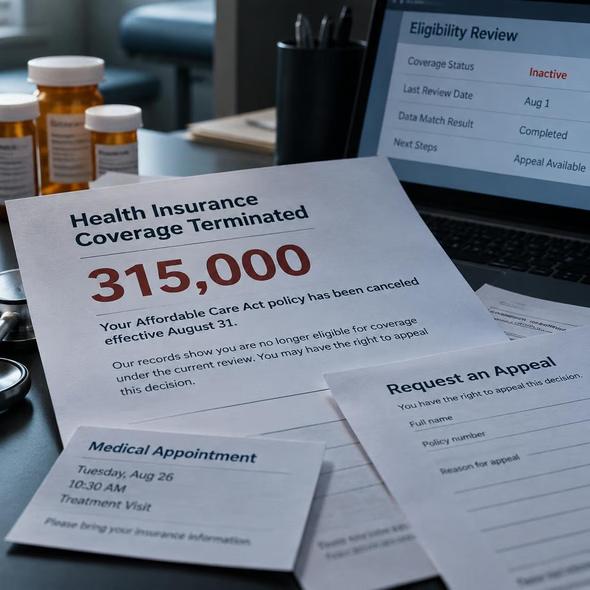
Louise Nunn says her daughter bought a toxic chemical online from Canadian seller Kenneth Law and died after it was delivered. The substance associated with Law’s sites was sodium nitrite, a chemical with legitimate industrial and food-processing uses that can be fatal when ingested in sufficient quantity. The order moved through an ordinary-looking online storefront and parcel network. No illicit handoff was required.
Canadian prosecutors have brought charges against Law in cases involving 14 deaths, including allegations of murder and aiding suicide. Those charges require proof in court and should not be treated as verdicts. Investigators and earlier reporting have associated his businesses with more than 1,200 parcels sent to roughly 40 countries, but a shipment count is not a death count and each jurisdiction must establish what a buyer received, intended and used.
The mechanism was distributed. A hosting provider supplied the shop. Search tools helped customers find it. A payment service accepted money. A carrier moved the parcel. Customs systems received a declaration. Messages between seller and buyer may have disclosed intent more clearly than the product label did. Each institution saw a narrow transaction. The buyer encountered the whole chain.
That division makes dangerous commerce look reassuringly familiar. The checkout page borrows the visual grammar of routine retail: quantity, address, payment, confirmation. The parcel inherits the old neutrality of the post. Yet repeated orders for the same high-risk chemical, similar customer messages, misleading declarations or clusters of deliveries can turn isolated records into a warning pattern.
No single warning justifies indiscriminate surveillance or a blanket ban. Sodium nitrite has lawful uses, and bereaved families should not be recruited to support restrictions broader than the evidence. The workable question is narrower: which combinations of quantity, concentration, marketing language, repeat sales and customer communication should trigger review before dispatch?
Payment firms and carriers already detect fraud through repeated names, addresses, devices and transaction patterns. Comparable controls could preserve high-risk orders for human review, require verified commercial purpose above defined thresholds, and create a rapid channel for authorities to identify a seller operating across borders. Hosts should retain storefront and message records when credible warnings arrive. Carriers should preserve declaration and delivery data rather than discover its value after a death.
Regulators now need a joined record: product concentration, order volume, payment accounts, customer messages, customs descriptions, tracking numbers, complaints and prior referrals. Access should be controlled and tied to specific risk, not opened as a general chemical dragnet. The intervention point must move upstream, while an order can still be questioned, instead of remaining at the front door after the package has cleared every checkout.
Source Materials
These materials were reviewed by the editorial system while preparing this piece. Muerte.casa may interpret, satirize, reframe, or disagree with them.
- 'Poison seller' who sold my daughter deadly drugs should rot in hell BBC · September 22, 2026 · Primary signal · Direct source
How did this story land?
This may be changed as you like.