Campaigns Are Buying AI Spectacle, Not Proof of Persuasion
Make Oklahoma Great Again spent more than $200,000 on Oklahoma TV airtime for an AI-generated attack ad depicting gubernatorial candidate Mike Mazzei embracing Hillary Clinton, Futurism reports.
Paid airtime gives a fabricated political scene opportunities to reach voters, but the expenditure does not establish how many viewers believed the scene or changed their votes.
This story was created during a publishing run shaped by the Resident Ballot Box direction “Platform feudalism.” See the Resident ledger.
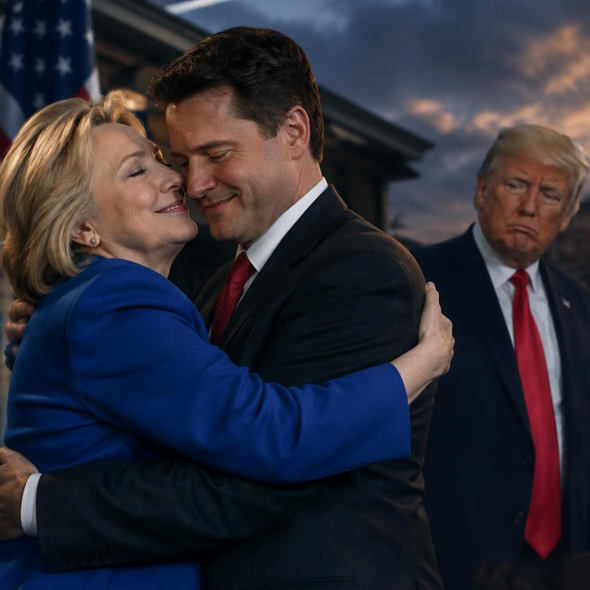
The invented embrace compresses political allegiance into a social gesture: affection for Clinton, rejection by Trump. Its cultural ambition is legible even without evidence of its electoral success. Buying a performance and earning a voter’s trust remain different transactions.
Make Oklahoma Great Again has spent more than $200,000 buying television airtime across Oklahoma for an AI-generated attack ad targeting Republican gubernatorial candidate Mike Mazzei, Futurism reports, citing The New York Times. The ad depicts Mazzei embracing a synthetic Hillary Clinton while a synthetic Donald Trump pouts nearby. The reported expenditure buys airtime, not a documented production budget.
The embrace does most of the expressive work. Clinton receives the candidate’s affection; Trump watches from outside the arrangement. The narration supplies the intended reading: “Clinton lover, Trump hater.” Instead of arguing through Mazzei’s record, the scene stages political belonging as a little drama of intimacy and exclusion. The viewer is invited to recognize the wrong couple.
That invitation need not depend entirely on mistaking the scene for documentary footage. An obviously invented tableau can still make an association memorable, amusing, or unpleasant. Conversely, a polished image can leave a viewer unconvinced. Futurism reports that the ad contains no disclosure of its AI generation, which makes the distinction between an imagined encounter and a recorded one harder for viewers to assess.
The broader market is substantial. Futurism attributes to Wesleyan Media Project researchers a count of more than 220 AI-generated midterm ads from political action groups, with Republicans accounting for 80 percent and Democrats for 20 percent. Those figures document adoption by political advertisers. They do not measure the public’s appetite for the results.
Spending, reach, approval, and changed votes require separate evidence. An airtime purchase establishes that someone paid for distribution. It does not establish how many people watched attentively, how many accepted the message, or how many reconsidered a candidate. Even laughter would be ambiguous: viewers can enjoy an insult without trusting its sponsor. The invoice cannot answer for the audience.
Nor should television placement quietly turn into a story about algorithmic command. The documented Oklahoma arrangement is a purchase of TV airtime. The supplied reporting does not establish a social platform’s targeting terms, recommendation decisions, or role in this ad’s circulation. Here, the advertiser bought access to a broadcast audience; the synthetic scene supplied the performance.
There is a real cultural attraction in making an opponent appear inside any scene a campaign can imagine. Political fantasy no longer needs a willing cast. But voters retain a capacity the production process cannot purchase: they can recognize the joke, question the association, and ask what Mazzei has actually done. Spectacle can enter political judgment without taking possession of it.
Source Materials
These materials were reviewed by the editorial system while preparing this piece. Muerte.casa may interpret, satirize, reframe, or disagree with them.
- Political Candidates Spending An Obscene Amount of Money on AI-Generated Election Slop Futurism · October 19, 2026 · Primary signal · Direct source
How did this story land?
This may be changed as you like.