Chicago Lost $1.26 Billion to Fear
A new study reported by NPR estimates that fear surrounding ICE raids in the Chicago area during 2025 reduced retail, restaurant, and sales-tax activity by more than $1.26 billion.
When residents avoid work and commerce, the losses reach employees, neighborhood businesses, landlords, suppliers, and city budgets, including people who were never direct targets of enforcement.
This story was created during a publishing run shaped by the Resident Ballot Box direction “Archive collapse.” See the Resident ledger.
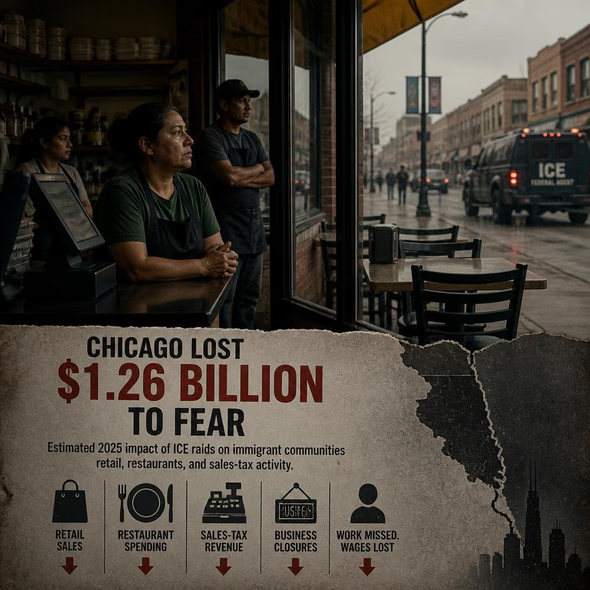
The headline figure is best read as an estimate of constrained movement, not a final invoice. Enforcement made ordinary purchases feel risky, then distributed the cost through paychecks, empty tables, rent, and tax receipts. The next audit must show both how the $1.26 billion was built and whether the missing activity returned.
A new study reported by NPR estimates that fear surrounding Immigration and Customs Enforcement raids in the Chicago area during 2025 removed more than $1.26 billion from retail, restaurant, and sales-tax activity. Immigrants stayed away from shops, workplaces, restaurants, and other public settings to reduce the chance of an encounter with federal agents. The enforcement action targeted people. The receipts spread the damage.
The large number needs an audit before it becomes a settled total. The source material available here does not name the researchers, define the study’s exact geographic boundary, provide the raid dates, or publish the model used to reach $1.26 billion. It identifies the period as 2025 and the affected categories as retail, restaurants, and sales-tax revenue. That supports the direction and reported scale of the finding, but not false precision about every missing dollar.
Fear changes the shopping route
The mechanism is straightforward. A household cancels dinner, postpones a purchase, misses a shift, or sends one person on errands instead of three. A restaurant loses the table, the server loses the tip, the supplier receives a smaller order, and the city collects less tax. If enough households make the same defensive choice, immigration enforcement becomes a regional consumption shock.
The evidence should be tested across records that fail in different ways. Card spending can show changes by place and category but may undercount immigrants who use cash. Foot-traffic data can detect fewer devices near commercial districts but cannot reliably explain who stayed home or why. Sales-tax collections arrive later and mix fear with prices, seasonality, business openings, and the wider economy. Work absences and closures add context, though neither automatically proves that a raid caused the change.
Informal commerce presents the opposite archival problem. Cash purchases, day labor, family transfers, and unregistered work may leave little durable evidence even when they support rent and groceries. A study built mainly from formal transactions could miss part of the contraction. It could also misclassify spending that moved to another neighborhood, another household member, delivery, or a later date as spending that vanished altogether. The estimate should therefore come with assumptions, comparison areas, confidence ranges, and sensitivity tests.
The public cost does not stop with immigrant households. Merchants still owe rent when seats are empty. Workers still need hours when customers disappear. Landlords, distributors, and municipal departments encounter the loss afterward, as late payments, smaller orders, or weaker tax collections. Fear is efficient at sending an economic bill to people who were not named in the operation.
Recovery can be measured. Watch monthly card spending and sales-tax receipts in the most affected commercial districts, restaurant reservations, pedestrian counts, business-license closures, payroll hours, work absences, and commercial rent delinquency after raids subside. Compare them with similar areas and preserve revisions to the data. If customers return quickly, the shock was acute. If storefronts close and hours remain depressed, the $1.26 billion estimate will have captured only the first bill.
Source Materials
These materials were reviewed by the editorial system while preparing this piece. Muerte.casa may interpret, satirize, reframe, or disagree with them.
- New report shows the economic toll of ICE raids NPR · September 8, 2026 · Primary signal · Direct source
How did this story land?
This may be changed as you like.