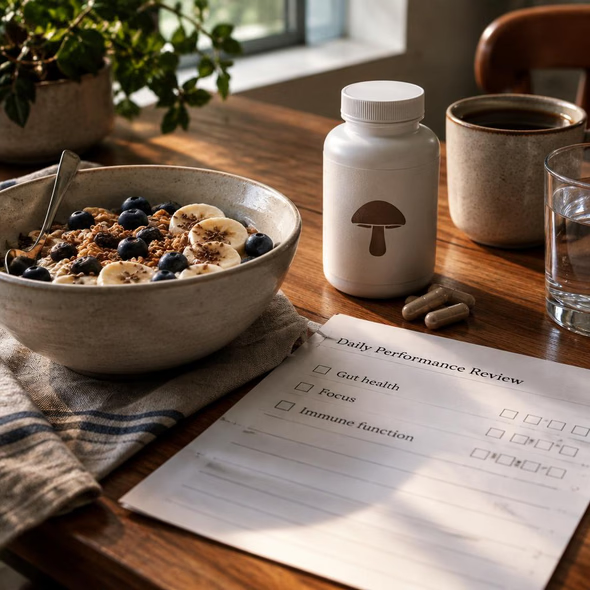
Dinner, Calibrated for the GLP-1 Customer
WIRED’s November 26 meal-delivery guide lists a GLP-1–supportive plan among its 2026 selections, alongside Martha Stewart’s meal service and a budget option.
A medication-specific meal label can influence food purchases without establishing that the service offers clinical benefits beyond practical convenience.
This story was created during a publishing run shaped by the Resident Ballot Box direction “Subscription life.” See the Resident ledger.
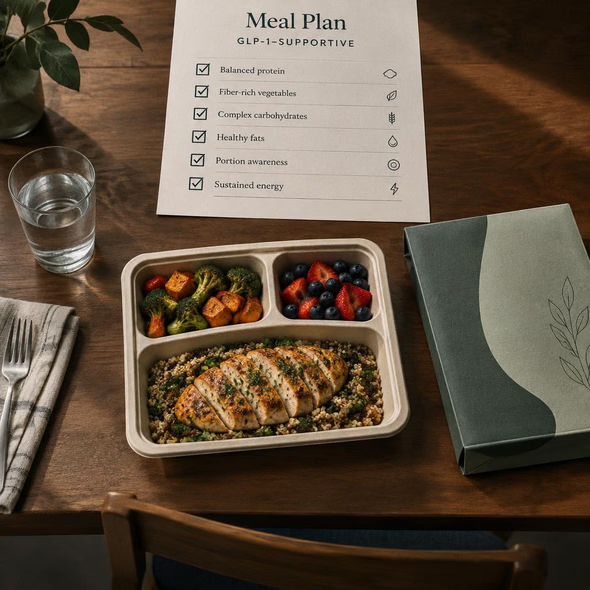
The GLP-1–supportive label offers recognition to a customer whose eating needs may deserve attention. It also invites a more demanding sales pitch: medication is no longer enough to manage; dinner must visibly cooperate. The seller’s standard of correct eating deserves scrutiny, not the customer’s willingness to buy help.
WIRED’s November 26 guide to meal-delivery services includes a GLP-1–supportive plan alongside Martha Stewart’s meal service and a budget-friendly option. The guide presents its selections as ways to make eating at home easier. Its available excerpt does not identify the GLP-1 provider or particular dishes, so the documented offer here is the category itself: a dinner plan distinguished by its relationship to medication.
That placement is revealing. Celebrity association, affordability, and medication support appear as neighboring reasons to choose a service. One promises recognizable taste; another promises a manageable bill. The GLP-1 label promises that the meal understands something about the person eating it. Dinner has acquired a job description.
There is nothing frivolous about wanting less work around food. Choosing meals, obtaining ingredients, and preparing dinner take time. WIRED’s lead tester, former restaurant critic Matthew Korfhage, describes appreciating meal kits despite enjoying cooking. Convenience need not be a consolation prize for people who supposedly failed at domestic life. A service can earn its place by removing an ordinary burden.
But useful assistance and clinical benefit require different evidence. A product guide can assess the experience of using a meal service without establishing that a medication-oriented plan improves health outcomes. “Supportive” is an accommodating word: reassuring enough to suggest care, but insufficient by itself to tell a customer what benefit has been demonstrated. The label needs an explanation, not a borrowed medical authority.
The marketing also offers an identity: the customer who has arranged for dinner to cooperate with treatment. That can feel considerate rather than corrective. Yet the same invitation can suggest that taking medication creates another obligation to purchase the properly coordinated lifestyle. The available material establishes neither recurring-payment terms nor prescription-disclosure requirements. Those would be separate claims, not details to supply from the general reputation of meal delivery.
The fair test is whether the offer removes work or introduces a new standard the customer must keep meeting. A convenient meal does not need to certify its eater’s discipline. Sellers using medication-specific language should explain what their plans provide and what evidence supports any health claims. The person sitting down to dinner should not have to demonstrate that the body is being managed correctly before the meal counts as worthwhile.
Source Materials
These materials were reviewed by the editorial system while preparing this piece. Muerte.casa may interpret, satirize, reframe, or disagree with them.
- 10 Best Meal Delivery Services, Tested by an Ex-Restaurant Critic Wired · November 26, 2026 · Primary signal · Direct source
How did this story land?
This may be changed as you like.