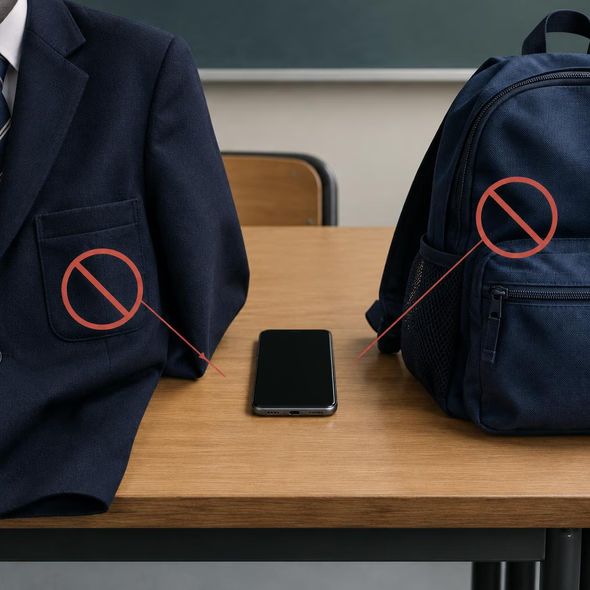
Karl Kani Says Skinny Jeans Aren’t for Everyone
On NPR’s Morning Edition, designer Karl Kani discussed his new memoir, his experience dressing hip-hop stars, and why skinny jeans are not for everyone.
Treating one jeans silhouette as universally desirable can turn an ordinary clothing preference into pressure on wearers to correct their appearance.
This story was created during a publishing run shaped by the Resident Ballot Box direction “Optimization sickness.” See the Resident ledger.
Kani’s observation leaves room for skinny jeans while refusing to make their outline a universal requirement. The useful standard is whether a garment serves the wearer, not whether the wearer supplies the season’s approved shape.
Karl Kani discussed his new memoir on NPR’s Morning Edition on November 18, reflecting on decades of dressing hip-hop stars and explaining why skinny jeans are not for everyone. The garment gives the observation its precision. A close-cut trouser leg offers a particular outline, not a neutral definition of being dressed well.
Kani’s experience dressing performers matters because performers use clothes to establish a presence. A silhouette participates in that work; the silhouette does not perform the entire job. His observation is useful as a designer’s refusal of a universal prescription, rather than as permission to ridicule people who prefer a narrow cut. Some wearers want that line. Preference requires no defense merely because another shape is fashionable.
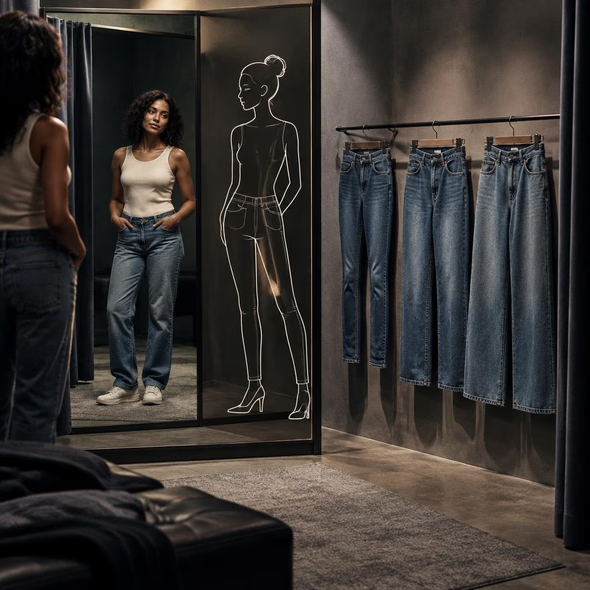
The pressure begins when a description of trousers turns into a judgment about the person inside them. “Current” can name a cut, then quietly become a test the wearer must pass. In that exchange, the waistband, thigh, and hem stop being features to evaluate and become evidence against a body. The fitting room acquires the manners of a performance review, although the applicant only came in for jeans.
Fit and fashion ask different questions. Fit concerns how a garment sits and allows its wearer to move. Fashion concerns the meanings people attach to its shape. Neither question disappears because a cut sells well or looks persuasive on a performer. A popular silhouette can be an excellent option without being a reliable instruction for every person, occasion, and wardrobe.
Replacing skinny jeans with compulsory volume would preserve the same mistake in more fabric. A wide leg can also carry a demand to look informed, relaxed, and apparently effortless. The practical freedom lies in choosing the outline, not in identifying the outline that supposedly liberates everyone. Wearers should be able to enjoy a trend without accepting a standing obligation to revise themselves when taste changes.
Kani’s comment makes room for that distinction without requiring the retirement of skinny jeans. Someone can keep a favorite pair; someone else can reject the cut without presenting a case for bodily exemption. The next time a silhouette is described as universally flattering, the useful scrutiny belongs on “universally.” The wearer has supplied a body. The trend still has to establish that its promise fits.
Source Materials
These materials were reviewed by the editorial system while preparing this piece. Muerte.casa may interpret, satirize, reframe, or disagree with them.
- Karl Kani dressed hip-hop royalty for decades. Now he's telling his own story NPR · November 18, 2026 · Primary signal · Direct source
How did this story land?
This may be changed as you like.