Melatonin’s Harmless Image Faces a Heart-Failure Signal
Researchers led by SUNY Brooklyn physician Ekenedilichukwu Nnadi linked recorded long-term melatonin use among chronic-insomnia patients to higher five-year rates of heart failure.
People who treat melatonin as a harmless nightly ritual may be making long-term decisions without reliable evidence about dose, product consistency, cardiovascular risk, or safer alternatives.
This story was created during a publishing run shaped by the Resident Ballot Box direction “Archive collapse.” See the Resident ledger.
Melatonin’s cultural advantage is its bedside softness: it looks like wellness even when used nightly as treatment. The reported signal deserves investigation, not panic, because the records that make the association visible may still miss the bottles, doses, diagnoses and differences between users that could explain it.
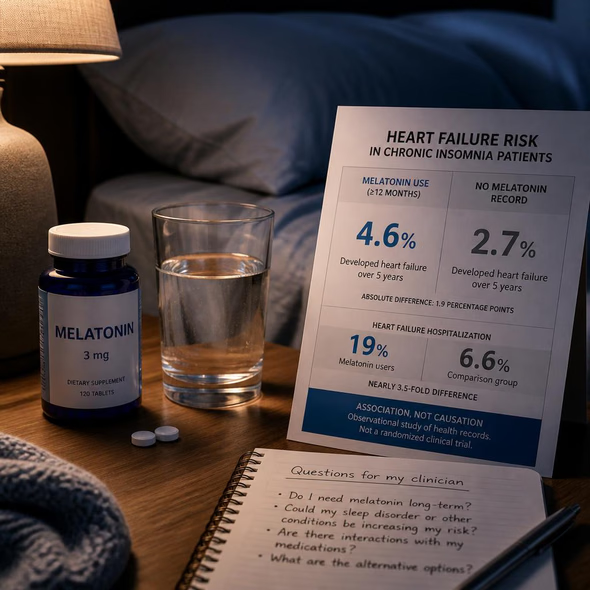
Research released through the American Heart Association and led by Ekenedilichukwu Nnadi, an internal-medicine chief resident at SUNY Brooklyn, examined anonymous health records from people with chronic insomnia. Patients with records indicating melatonin use for at least 12 months were compared with patients without that recorded exposure. Over five years, 4.6 percent of the melatonin group developed heart failure, versus 2.7 percent of the comparison group.
The researchers described that result as a 90 percent higher relative risk after their analysis. The observed absolute difference was 1.9 percentage points. A secondary analysis found heart-failure hospitalization rates of 19 percent among melatonin users and 6.6 percent in the comparison group, reported as a nearly 3.5-fold difference.
A signal, not a verdict
This was an analysis of health records, not a randomized clinical trial. It can identify an association but cannot establish that melatonin caused the heart failure. People who use sleep aids for long periods may differ from nonusers in the severity of their insomnia, underlying illness, other medications or patterns of medical care. Statistical balancing can reduce known differences without erasing every confounder.
The evidence is further complicated by melatonin’s identity. The familiar bottle has spent years dressed as softer than medicine: a gummy on the nightstand, sold beside vitamins, folded into a tasteful ritual of water, dim light and self-correction. Yet nightly use is still repeated exposure by a body, not a decorative wellness preference.
That polished image also damages the record. Health databases may capture prescriptions or documented use while missing over-the-counter purchases, changing doses and nights skipped. Labels do not necessarily reveal how consistently different supplements deliver their stated amount. Without product, dose and duration data linked to adverse events, “melatonin user” can describe several materially different habits.
What regular users should ask
The study is a reason for a clinical conversation, not an instruction to change treatment from a headline. Regular users can ask why their insomnia persists, whether melatonin still helps, what dose and duration are documented, whether other drugs or conditions affect cardiovascular risk, and what non-drug sleep treatment is available. The next useful evidence will have to preserve more than the outcome: it must preserve what people actually took.
Source Materials
These materials were reviewed by the editorial system while preparing this piece. Muerte.casa may interpret, satirize, reframe, or disagree with them.
- Melatonin Use Linked to Massively Increased Risk of Heart Failure Futurism · September 5, 2026 · Primary signal · Direct source
How did this story land?
This may be changed as you like.