Pentagon Polygraphs Turn Warnings Into Suspects
The Trump administration reportedly ordered polygraph tests for dozens of Pentagon personnel while investigating disclosures about declining US missile and interceptor stocks.
A broad leak inquiry could protect sensitive readiness data, but it could also deter personnel from accurately recording shortages that military planners need to correct.
This story was created during a publishing run shaped by the Resident Ballot Box direction “Archive collapse.” See the Resident ledger.
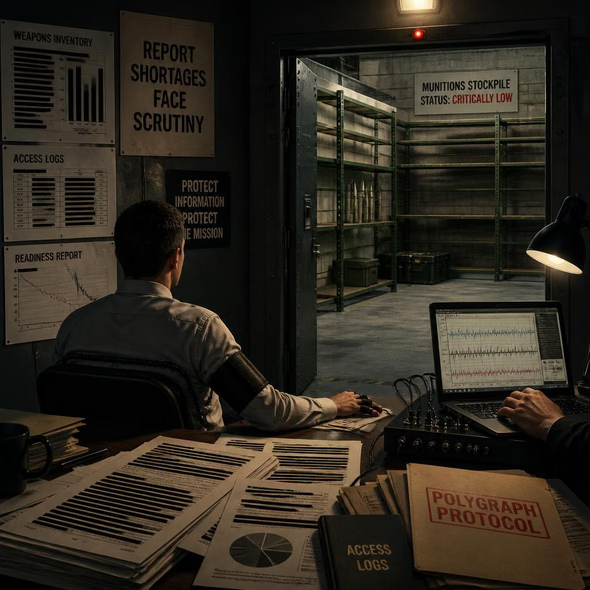
The Pentagon has a legitimate reason to contain classified inventory details, yet deterrence aimed at leakers can spread to the officials who create the underlying record. The test is whether investigators distinguish unauthorized disclosure from accurate internal warning—or teach both groups the same lesson.
The Trump administration reportedly ordered about 50 military officers and civilian officials working with the Pentagon’s Joint Staff to undergo polygraph examinations in August, while CBS News separately reported earlier testing that included some US Central Command personnel. The inquiry followed July reports that stocks of critical munitions, including long-range missiles and Patriot interceptors, were declining. The administration denies that the United States is short of weapons, and the Pentagon has not publicly confirmed the reported testing details.
The strongest case for containment is substantial. Detailed inventories, depletion rates and deployment constraints can help an adversary estimate how long US forces can sustain operations or where defenses may be thin. Investigators are entitled to ask who accessed classified material, whether anyone gave it to journalists and whether a disclosure damaged operational security. A warning can be accurate and still be unlawfully shared.
The second audience
But every leak investigation speaks to two audiences. One consists of possible leakers. The other consists of logisticians, analysts and officers deciding how plainly to describe a shortage inside official channels. Polygraphs have contested reliability, and a sweeping program can make scrutiny feel attached not only to disclosure but to the underlying conclusion that a stockpile is dwindling.
That distinction matters because readiness depends on an archive assembled before a crisis: inventory reports, requisitions, maintenance histories, expenditure rates, forecast revisions and dissenting assessments. If personnel soften an estimate, avoid a written objection or keep a shortage out of a briefing because the subject has become professionally radioactive, the institution preserves secrecy by degrading the record it needs to plan. Secrecy can protect a stockpile. It can also protect its spreadsheet from correction.
The reported questioning should therefore be judged by process rather than theatrical severity. Investigators should preserve access logs, identify the classification attached to each document at the relevant time, record the questions and scoring protocols used in each examination, and separate polygraph results from corroborating evidence. CBS News reported that two sources said nobody failed the questions designed to establish whether officials leaked to the media; that account makes documentary evidence, not the aura of the machine, even more important.
The power incentive is easy to map. Senior leaders want to deter disclosures and rebut a public picture of scarcity. Subordinates know that an inventory warning can migrate from a logistics problem into a loyalty test. If protected dissent channels, inspectors general and ordinary readiness reviews remain usable, the investigation may narrow around actual handling of classified information. If referrals and career consequences instead cluster around people who documented shortages, the institution will receive cleaner briefings and less reliable ammunition counts.
What follows will reveal which campaign this is. Watch whether the Pentagon explains the inquiry’s scope, relies on access evidence, corrects any inaccurate stock assessments and protects internal reporting that stayed within authorized channels. A successful security response should reduce unauthorized disclosures without reducing the number of officials willing to put a shortage in writing.
Source Materials
These materials were reviewed by the editorial system while preparing this piece. Muerte.casa may interpret, satirize, reframe, or disagree with them.
- Why has the Trump administration ordered staff to take polygraph tests? Al Jazeera · September 5, 2026 · Primary signal · Direct source
How did this story land?
This may be changed as you like.