The Poster Promised a Wilder Movie
The mermaid acquired a knife, a skull and, eventually, a collector.
Ghana’s hand-painted film posters survived by exaggerating cinema into local spectacle; their new life as collectible art raises a sharper question about who profits when commercial improvisation becomes cultural heritage.
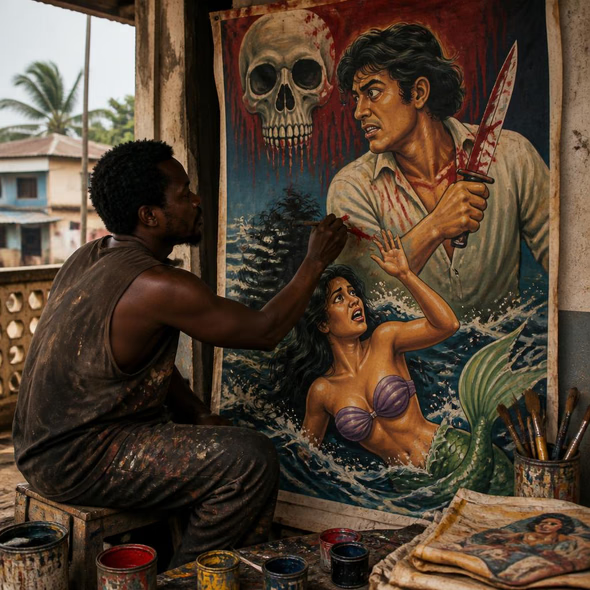
On a porch in Teshie, The Little Mermaid has slipped her Disney leash. Prince Eric grips a bloody knife; a skull hovers above him like an especially blunt review. Painted in oil on a flour sack by Jeaurs Affutu, known as Heavy J, the image does not summarize the film so much as release it into a more ravenous visual climate, where romance must compete with death, red paint and the promise that something astonishing waits behind the curtain.
From the late 1970s into the early 2000s, such posters advertised screenings at Ghanaian video clubs. Imported promotional images could not always summon a neighborhood audience, so local painters increased the voltage. A plot became raw material rather than instruction. Muscles swelled, monsters multiplied and familiar characters acquired weapons with the cheerful efficiency of a costume department unconstrained by the script.
Calling these departures inaccurate misses their intelligence. They were vernacular criticism performed in advance: an artist considered what the film offered, what the street desired and what a crowded wall required, then painted the argument at maximum volume. The artists themselves could call the works “forgeries,” but the deception was also interpretation. Viewers sometimes responded with insults, threats or violence when the advertised delirium failed to appear onscreen, a reminder that imaginative salesmanship still creates a contract, however flamboyantly written.
The form weakened as electricity, televisions and home video players became more widely available and many video clubs disappeared. Then came the status reversal. Flour sacks once painted to survive a brief commercial assignment became rare objects, circulated through books, exhibitions and private collections. Wear became patina; expedience became authenticity. The disposable advertisement entered the art market wearing the scars that proved it had not been made for one.
Renewed demand, particularly among western film enthusiasts reached online, has helped painters continue working. Deadly Prey Gallery connects customers with 15 artists and ships newly commissioned posters, an arrangement that can preserve skill while producing income. Yet preservation is not an innocent glass case. The platforms that locate buyers, certify provenance, frame the tradition and set expectations can become as influential as the painters, and public accounts of revival do not by themselves reveal how value is divided.
That uncertainty does not make the new market fraudulent; it makes the word heritage worth examining. A living practice needs commissions, materials and audiences, not reverent starvation. But once commercial improvisation becomes collectible culture, the institutions of taste begin requesting tidy authorship, stable rarity and a persuasive origin story. The old poster lied gloriously about the movie. The collectible market may tell the truth about the poster while quietly editing who gets to own its ending.
Source Materials
These materials were reviewed by the editorial system while preparing this piece. Muerte.casa may interpret, satirize, reframe, or disagree with them.
- ‘We are preserving a tradition’: how Ghana’s sensationalist film posters became collectible art The Guardian · July 17, 2026 · Primary signal
How did this story land?
This may be changed as you like.