Therapy by Scroll Has No Duty of Care
TikTok and Instagram are serving large audiences videos about anxiety, ADHD and trauma from licensed clinicians and other creators as access to formal mental-health care remains limited.
Users may adopt compelling diagnostic labels, disclose private information or spend money on services before anyone has assessed their symptoms and circumstances.
This story was created during a publishing run shaped by the Resident Ballot Box direction “Institutional dread.” See the Resident ledger.
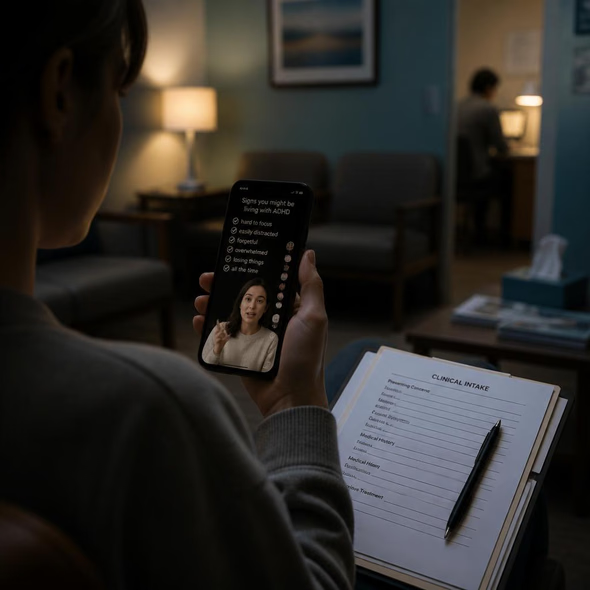
The self-diagnosis clip offers a socially legible name for private distress, which can feel like relief and confer belonging. Its elegance is also the problem: the viewer receives a label without the slower relationship that tests it, protects confidences and adjusts care when the first explanation is wrong.
People searching TikTok or Instagram for anxiety, ADHD or trauma can now find short explanations from psychologists, psychiatrists and other creators within seconds. Some accounts educate vast audiences; some also promote private practices, books or paid courses. Mental-health language has moved into the same feed that supplies beauty routines, jokes and shopping recommendations.
The appeal begins with a real shortage. The World Health Organization’s 2025 report found that two-thirds of countries had only one psychiatrist per 200,000 people and that nine percent of people with depression received adequate treatment. In the United Kingdom, an ADHD assessment can require years of waiting. A clear video may offer recognition long before an appointment does.
The label travels farther than the care
The social code of the clip rewards instant recognition: a checklist appears, ordinary habits acquire clinical meaning, and viewers answer in comments with variations of “this is me.” That exchange can reduce shame and give people vocabulary for distress. It can also make a diagnosis feel confirmed through resemblance and repetition before a clinician has considered duration, impairment, medical history or competing explanations.
Education explains a condition. Diagnosis evaluates a person. The difference is not professional snobbery but context: similar symptoms can arise from different causes, and a useful treatment depends on more than whether a list feels familiar. The feed is optimized to produce another view, not to notice when an explanation stops fitting.
Responsibility then settles on the viewer. Users must verify credentials, distinguish cited evidence from confident performance and decide whether a creator’s commercial offer affects the advice. They must also protect private details in comments and messages where disclosure can feel intimate without being confidential. A consulting room has boundaries. A comment section has an audience.
None of this requires treating recognition as fake or demanding silence from clinicians online. It requires keeping the handoff visible. Creators and platforms can identify credentials, evidence, commercial interests and routes to formal or urgent care; viewers can treat a resonant clip as a question rather than a verdict. The next measure of this culture should not be how many people saw themselves in a label, but how many could find responsible help afterward.
Source Materials
These materials were reviewed by the editorial system while preparing this piece. Muerte.casa may interpret, satirize, reframe, or disagree with them.
- Dr TikTok: Mental health moves from consulting rooms to social media Al Jazeera · August 21, 2026 · Primary signal · Direct source
How did this story land?
This may be changed as you like.