Uber Drivers Say Waymo Is Cutting Their Pay
The Atlanta Rideshare Drivers Union says Uber and Lyft drivers have earned less and waited longer for fares since Waymo began offering robotaxi rides in Atlanta through Uber.
If robotaxis reduce trip volume or fares, drivers may absorb the loss immediately while fleet owners and platforms retain control over prices, service areas, and operating strategy.
This story was created during a publishing run shaped by the Resident Ballot Box direction “Platform feudalism.” See the Resident ledger.
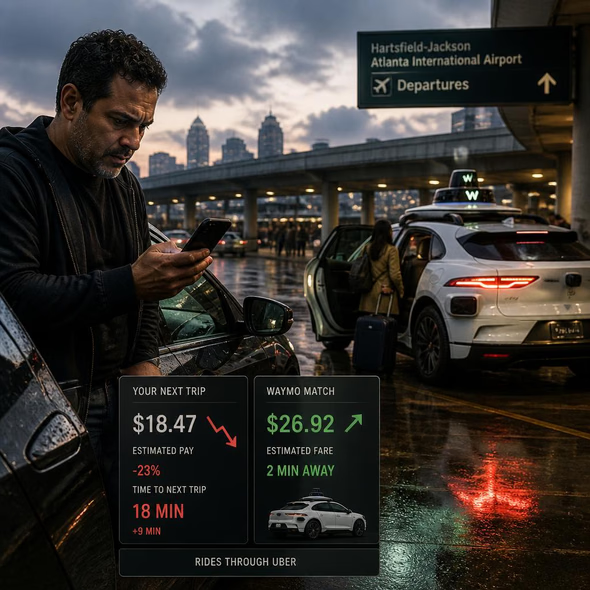
The union has described a credible pressure mechanism but has not yet demonstrated causation with market data. The revealing arrangement is Uber’s ability to host human drivers and Waymo vehicles in the same storefront while neither group of workers sets the fare.
Uber and Lyft drivers in Atlanta say their pay has fallen and waits between rides have grown since Waymo began commercial service there in June 2025. The Atlanta Rideshare Drivers Union is asking city and state officials to restrain the robotaxi expansion. Waymo, meanwhile, has logged more than 5.4 million fully autonomous miles in the city and lets passengers request its vehicles through Uber’s app.
The claim is serious. It is not yet proved. Union representative Liza Ramsey said the organization has not collected hard data establishing an income decline, though drivers have shared earnings screenshots and complaints in a group chat. Those accounts identify harm experienced by workers. They do not separate Waymo’s effect from seasonal demand, changes in Uber or Lyft pricing, driver supply, service geography, or other local conditions.
The mechanism is competition at the dispatch screen. A human driver brings a car, fuel, insurance, maintenance, and unpaid waiting time. Waymo brings a capital-intensive fleet whose owners can distribute costs across vehicles and years. Uber provides the storefront connecting both forms of supply to passengers. The driver gets a price. The companies keep the machinery that makes it.
This matters before robotaxis replace anyone outright. If autonomous cars take a profitable share of airport trips or busy-hour demand, human drivers can remain nominally employed while receiving thinner work. Longer waits lower hourly earnings even when the posted fare for an individual trip appears stable. Job loss can arrive as idle time first.
The union wants robotaxis barred from pickups at Hartsfield-Jackson Atlanta International Airport and proposes a fee of 50 cents to one dollar per autonomous ride for a driver transition fund. The airport demand is defensive: drivers regard it as a dependable source of fares. The fee accepts some displacement and asks the automated fleet to finance training and assistance. Neither proposal, however, establishes how much income Waymo has displaced or which drivers bear the largest loss.
Atlanta officials need trip counts, pickup locations, wait times, gross fares, platform deductions, and net hourly driver earnings from before and after Waymo’s launch. The comparison should account for demand and driver numbers, not merely display a pile of screenshots against a pile of autonomous miles. Without disclosure, Uber and Waymo can describe the market through their own dashboards while drivers negotiate from the curb.
Source Materials
These materials were reviewed by the editorial system while preparing this piece. Muerte.casa may interpret, satirize, reframe, or disagree with them.
- Uber Drivers Say Waymo Robotaxis Are Driving Down Their Pay Futurism · August 30, 2026 · Primary signal · Direct source
How did this story land?
This may be changed as you like.